SF BAY AREA PERSONAL INJURY LAWYER
Built for serious cases and real results





A construction accident can change everything in a moment. One fall, one equipment failure, one unsafe condition, or one mistake by another contractor can leave a worker dealing with pain, surgery, time off work, and uncertainty about how the bills will get paid. Construction injury cases are often more complicated than standard injury claims because they may involve workers’ compensation, third-party liability, multiple companies on the same job site, and disputes over who caused the accident. Anderson Franco Law represents injured construction workers and other people hurt on or around construction sites in San Francisco, the Bay Area, and throughout California. Anderson Franco has personally recovered millions for injured clients, including in serious construction injury matters, and understands how to build claims involving both workers’ compensation issues and third-party personal injury liability.
If you were injured on a construction site, the most important question is not just whether you were hurt at work. The real question is whether you may have more than one claim. In many construction cases, an injured worker may have a workers’ compensation claim and also a separate civil claim against a negligent third party. That distinction can make a major difference in the financial recovery available.

In California, an injured construction worker will often have the right to pursue workers’ compensation benefits through the employer. Workers’ compensation may provide medical treatment, temporary disability benefits, permanent disability benefits, and other job-related protections. But workers’ compensation does not provide the same categories of damages available in a civil personal injury case.
That is why construction accident cases need careful legal review from the beginning. Many job sites involve multiple companies, subcontractors, equipment providers, drivers, property owners, and vendors. If someone other than the employer helped cause the injury, the worker may also have a third-party personal injury claim.
For example, a civil claim may exist when the injury was caused by defective equipment, unsafe property conditions, a negligent subcontractor, a delivery or job-site vehicle, poor site coordination, or other negligence by a company that was not the worker’s direct employer. In those situations, the injured worker may be able to seek compensation beyond what workers’ compensation alone provides. Your case should be evaluated for both paths from the outset because construction injury cases are often won or lost on early investigation, identification of responsible parties, and preservation of evidence.
Construction sites present many different dangers, and no two cases are exactly alike. Anderson Franco Law handles construction accident matters involving a wide range of site conditions, equipment failures, and injury mechanisms. The firm has experience with construction cases involving boom pump malfunctions, concrete pouring incidents, ladder falls, roof falls, slip and falls on job sites, and hand crush claims. The firm’s public case results also include a $750,000 settlement for a construction worker injured in a boom pump explosion on a San Francisco job site.
Common construction accident matters may include:
Falls from scaffolding, ladders, roofs, platforms, and elevated work areas are among the most serious construction accidents. These cases often involve questions about fall protection, supervision, site setup, guardrails, ladder condition, and who controlled the work area.
Scaffolding failures and ladder accidents can happen because of poor assembly, improper use, lack of tie-offs, unstable surfaces, or defective equipment. These incidents may cause fractures, spine injuries, shoulder injuries, head trauma, or catastrophic harm.
Concrete and boom pump incidents can involve pressure failures, equipment malfunction, poor maintenance, operator error, or negligent site coordination. These cases can become highly technical and often require a close examination of the equipment, work procedures, and which company controlled the operation.
Workers may be struck by falling materials, tools, equipment, vehicles, or moving machinery. Others suffer crush injuries when hands, arms, feet, or other body parts become caught in machinery or pinned between heavy objects. These injuries often lead to surgery, permanent limitations, and lost earning capacity.
Not every serious construction case involves a dramatic collapse or explosion. Uneven surfaces, debris, exposed openings, wet conditions, poor lighting, and unprotected trenches can all lead to serious falls and major injuries.
Construction workers may also be injured by forklifts, trucks, delivery vehicles, loaders, or other moving equipment on or near the site. In these cases, there may be claims against drivers, contractors, employers, or companies responsible for site logistics and traffic control.
Construction injuries are often serious because of the weight of materials, the use of machinery, the height of work areas, and the number of hazards present at active job sites. These are not minor cases. Even an injury that looks manageable at first can later require surgery, long-term treatment, work restrictions, or permanent changes in daily life.
Common injuries in construction accident claims include:
Back injuries are common after falls, lifting incidents, crush events, and equipment-related accidents. Some involve strains or disc injuries. Others involve fractures, nerve damage, or injuries that lead to chronic pain and lasting work restrictions.
Shoulder injuries frequently occur in construction accidents involving falls, sudden bracing, heavy impact, or forceful pulling. Torn tendons, labral injuries, and rotator cuff damage may require surgery and can interfere with lifting, reaching, climbing, and tool use.
Construction accidents often cause fractured wrists, arms, ankles, ribs, hips, and legs. These injuries may require hardware, surgery, immobilization, and months of recovery.
A worker struck by falling debris, thrown from height, or involved in an equipment accident may suffer a concussion, traumatic brain injury, intracranial bleeding, or other head trauma. These injuries can affect thinking, memory, balance, sleep, mood, and the ability to return to work.
Hands and fingers are particularly vulnerable on construction sites. A crush injury can cause fractures, tendon damage, nerve injury, loss of grip strength, or permanent loss of function.
Some construction accidents cause life-changing injuries, including spinal cord trauma, paralysis, severe orthopedic injuries, amputations, and fatal injuries. In the most serious cases, the legal issues may include not only immediate medical harm, but long-term care needs, lost earning capacity, and the human impact on the worker’s family.
One of the most important issues in a construction accident case is identifying whether someone other than the employer contributed to the injury. Construction sites are layered environments. There may be a general contractor, multiple subcontractors, site supervisors, equipment providers, delivery companies, engineers, property owners, and outside vendors all involved in the same project. Depending on the facts, liability may exist against:
If a different subcontractor or its employee created the danger that caused the injury, that company may be liable in a civil claim.
Some cases turn on who controlled the site, coordinated the trades, enforced safety rules, or allowed an unsafe condition to persist.
If the property owner created, knew about, or failed to address a dangerous condition, there may be a premises liability component to the case.
If the injury happened because a tool, machine, or safety device malfunctioned or was defectively designed, a product liability claim may exist.
If a worker was hit by a truck, delivery vehicle, or other moving vehicle on or near the site, claims may exist against the driver, employer, owner, or related commercial entities.
Construction accident cases often require detailed investigation because the responsible party is not always obvious from the initial incident report. The employer may focus only on the workers’ compensation file, while the broader liability picture gets missed. That is one reason early legal review matters.
What happens in the first hours and days after a construction accident can affect both the workers’ compensation claim and any third-party personal injury case. Evidence disappears quickly on construction sites. Equipment gets moved. Conditions change. Witnesses scatter. Reports are written in ways that may not fully capture what happened.
After a construction accident, important steps may include:
Your health comes first. Follow through with emergency care, urgent care, occupational medicine, specialist referrals, and any recommended imaging or treatment.
The injury should be reported promptly through the appropriate work channels. Delays can create avoidable disputes about when and how the injury happened.
If possible, photograph the area, the equipment involved, the condition that caused the incident, visible injuries, and anything else that may later change.
Coworkers, supervisors, nearby trades, and bystanders may all have relevant information. Their names and contact information can matter later.
Many injured workers are told, directly or indirectly, that the matter is “just workers’ comp.” That may be true in some cases, but not all. Construction cases often require a deeper liability review.
A construction accident case may involve site inspection issues, contracts, insurance layers, equipment preservation, OSHA-related facts, and multiple defendants. Early legal review can help protect the value of the case.
Workers’ compensation and civil personal injury claims serve different functions. Workers’ compensation can provide important benefits, but it is limited. A third-party claim, when available, may allow recovery for a broader range of losses.
Depending on the facts, compensation in a third-party construction accident case may include:
The available recovery depends on the injury, the evidence, the liable parties, the insurance available, and the long-term effect of the accident on the worker’s life and ability to earn. A serious construction injury case should be evaluated with both the legal claim and the damages story in mind.
Construction accident cases require more than general injury knowledge. They require the ability to analyze layered liability, understand the relationship between workers’ compensation and civil claims, build a persuasive damages case, and push the matter forward when the defense refuses to pay fairly.
Workers and families choose Anderson Franco Law because the firm offers:
Anderson Franco focuses on injury litigation and has personally recovered millions for injured clients. The firm publicly reports that it has recovered millions for clients, and one listed result is a $750,000 construction accident settlement for a worker injured in a boom pump explosion on a San Francisco job site.
The firm’s construction accident work includes boom pump malfunction claims, concrete pouring accidents, ladder falls, roof falls, job-site slip and falls, and hand crush cases. That matters because construction claims often involve mechanisms of injury and liability issues that differ from ordinary accident cases.
In many construction cases, the key issue is not whether a worker was injured. It is whether someone besides the employer helped cause the injury. Anderson Franco Law evaluates both angles.
Strong settlements often come from strong case preparation. The firm’s public case result involving the construction boom pump explosion states that the case resolved during mediation shortly before trial, which is consistent with a case that was prepared and pushed.
Clients deserve direct communication, honest advice, and a lawyer who understands what the injury has done to their work, finances, and daily life. Construction workers are often under pressure after an injury. They need a lawyer who can explain the process clearly and move the case forward with purpose.
Anderson Franco Law offers representation in English and Spanish and serves injured clients throughout the Bay Area and across California.
Yes, in some cases. If someone other than your employer or a coemployee helped cause the construction accident, you may have a third-party civil claim in addition to the workers’ compensation case. Construction sites often involve multiple companies, so this issue should be reviewed carefully.
That may be an important third-party claim. If a different company or its employee created the unsafe condition, handled equipment negligently, or caused the incident in some other way, a civil case may exist.
If a tool, machine, or piece of construction equipment malfunctioned because of a defect, poor maintenance, or negligent use by another party, there may be a claim against the manufacturer, supplier, maintenance provider, or another responsible entity.
Falls from height are among the most serious construction accidents. These cases may involve workers’ compensation issues, but they may also involve claims against contractors, property owners, equipment providers, or others depending on who created the danger.
A denial does not necessarily mean the case is over. It may mean the insurance company is disputing causation, the body parts injured, the circumstances of the accident, or medical necessity. In construction cases, it is also important to step back and evaluate whether there is a separate third-party claim.
Many do, but the value of the settlement often depends on how well the case is prepared. Construction claims can involve multiple parties, disputed fault, technical liability issues, and serious damages. A better-prepared case generally creates more leverage.
There is no honest one-size-fits-all answer. Value depends on liability, injury severity, medical treatment, surgery, permanent limitations, wage loss, future impact, available insurance, and whether there is a third-party claim beyond workers’ compensation.
If you were injured on a construction site in San Francisco, Marin County, Oakland, San Jose, or elsewhere in California, it is important to evaluate the case early. You may have more than one claim, and the legal path may be broader than you were initially told.
Anderson Franco Law represents injured construction workers and other people hurt in construction-related incidents. If you want to understand whether your case involves workers’ compensation, third-party liability, or both, contact Anderson Franco Law for a free consultation.
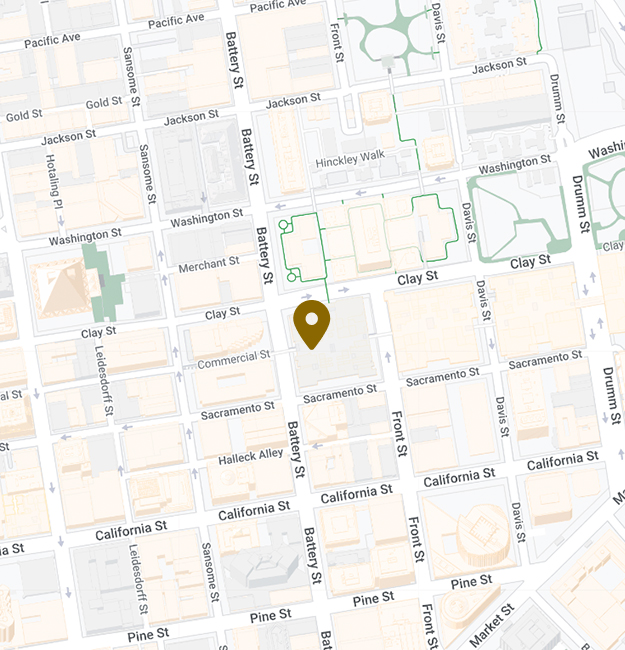
Fill out the contact form or call us at (415) 727-1832 to schedule your free consultation.