SF BAY AREA PERSONAL INJURY LAWYER
Serious injury cases and real results





Construction work in San Francisco is dangerous. Workers face falls, struck-by incidents, crane and equipment hazards, electrical injuries, trench and excavation risks, collapsing materials, and serious overexertion injuries. Safety rules matter on these sites, and both Cal/OSHA and federal OSHA require fall protection in many construction settings.
When a construction worker is hurt, the legal issue is often more complicated than people expect. A workers’ compensation claim may exist, but that is not always the end of the case. Many serious construction accidents also involve a negligent subcontractor, property owner, general contractor, equipment company, or other third party. California Labor Code section 3602 makes workers’ compensation the usual exclusive remedy against the employer, while Labor Code section 3852 preserves the worker’s right to pursue damages against a person or entity other than the employer.
Anderson Franco Law represents injured people in San Francisco and throughout the Bay Area. If you were hurt on a construction site, the key questions are usually these: who controlled the site, who created the danger, whether a third-party claim exists in addition to workers’ compensation, how serious the injuries are, and what evidence needs to be preserved now.
Not necessarily.
In California, workers’ compensation is usually the sole remedy against the employer for an injury arising out of and in the course of employment. But that does not eliminate claims against other responsible parties. Labor Code section 3852 expressly states that an employee’s claim for workers’ compensation does not affect the employee’s right of action for damages against a person other than the employer.
That matters on construction sites because multiple companies are often involved at the same time. A worker may be employed by one company, supervised by another, working on property owned by someone else, and using equipment supplied by yet another entity. In the right case, there may be both:
That second claim can be critical because workers’ compensation and personal injury claims do not provide the same recovery.
Construction injury cases are rarely simple.
A basic work injury claim may focus on medical treatment and disability benefits. A serious construction case often requires a much broader investigation. The legal analysis may involve site control, subcontractor relationships, contract documents, equipment responsibility, safety rules, Cal/OSHA records, witness statements, and whether a dangerous condition was created by someone other than the employer.
These cases also frequently involve lien and reimbursement issues. If a third-party recovery is made, the workers’ compensation carrier may assert reimbursement rights tied to benefits paid. California Labor Code section 3852 confirms that an employer or carrier that pays compensation may also assert a claim against the third person.
Construction injuries can happen in many ways, but some patterns come up again and again.
Falls from ladders, scaffolds, roofs, framing, aerial lifts, and unprotected edges are among the most serious construction accidents. Fall protection rules are a major part of construction safety requirements under Cal/OSHA and OSHA.
Workers may be hit by falling tools, unsecured materials, machinery, equipment, or moving vehicles on site. These incidents often raise questions about site coordination, lifting practices, and who controlled the work area.
Live wiring, exposed electrical systems, damaged cords, and unsafe temporary power setups can lead to catastrophic injuries. Electrical incidents can also involve outside contractors or site conditions beyond the injured worker’s employer.
Workers can be pinned between machinery, trapped by shifting materials, or injured in trench or excavation failures. These cases often require close review of site safety practices and supervision.
Forklifts, lifts, saws, scaffolding, cranes, and other construction equipment can fail because of poor maintenance, unsafe setup, or defective components. In some cases, a manufacturer or outside service company may be involved.
Not every construction injury happens in one dramatic moment. Some workers develop serious back, shoulder, knee, hand, or nerve injuries over time because of repetitive lifting, vibration, awkward postures, or physically demanding work.
Liability depends on the facts, not just the job title.
Potentially responsible parties may include:
The fact that workers’ compensation may bar a civil case against the employer does not automatically protect everyone else on the site. That is why early investigation matters. California law keeps the third-party claim alive even when workers’ compensation benefits are being paid.
Construction accidents often cause serious and life-changing injuries.
Common injuries include:
These are often not small claims. A major construction injury can affect a worker’s ability to return to the trade, earn overtime, perform physical labor, or support a family.
That depends on whether the case involves only workers’ compensation or both workers’ compensation and a third-party injury claim.
Workers’ compensation may provide medical treatment and disability benefits, but it does not function like a civil personal injury case. By contrast, if a valid third-party case exists, the worker may be able to seek damages beyond workers’ compensation alone. California’s statutory framework preserves that separate right against third parties.
Depending on the facts, a third-party construction injury case may involve claims for:
The best cases are often built early.
Important evidence may include:
On a construction site, evidence can disappear quickly. Conditions change. Equipment gets moved. Debris is removed. Witnesses scatter to other projects. That is one reason serious site injuries should be evaluated promptly.
A safety violation can matter a great deal, but it still has to be tied to the accident and the responsible party.
Construction safety rules exist for a reason. Cal/OSHA states that Title 8 of the California Code of Regulations contains many fall-protection requirements for construction, and federal OSHA’s construction rules require fall protection in many situations at six feet or more above lower levels.
A violation does not automatically decide every case, but safety failures can be strong evidence when they help explain how the accident happened and who failed to act reasonably.
For most California personal injury claims, Code of Civil Procedure section 335.1 provides a two-year limitations period for injury to, or death of, an individual caused by the wrongful act or neglect of another.
That does not mean every deadline is the same in every case. Depending on the facts, shorter deadlines can apply in some situations, especially if a public entity is involved. Construction cases should be reviewed early rather than assumed to be routine.
Get medical care first.
Then preserve the case as much as possible. That usually means:
If multiple companies were working on the site, that is especially important.
A serious construction injury case often requires more than opening a workers’ compensation claim.
The case may involve:
Anderson Franco Law focuses on injury cases. In a construction injury matter, that means looking beyond the first layer of the claim and asking whether another company, contractor, owner, or manufacturer may also be responsible.
Usually, workers’ compensation is the exclusive remedy against the employer when the conditions of compensation apply under California law. But that does not prevent claims against other responsible parties.
Yes, in the right case. Labor Code section 3852 preserves the employee’s right to pursue damages against a person other than the employer.
That may support a third-party claim. Construction sites often involve multiple subcontractors, and the injured worker’s employer is not always the only relevant party.
Falls are a major construction hazard, and fall-protection rules are a key part of both Cal/OSHA and OSHA construction safety requirements.
Usually two years for an ordinary California personal injury claim under Code of Civil Procedure section 335.1.
If you were hurt on a construction site in San Francisco or the Bay Area, the case may involve more than workers’ compensation alone. Construction injury cases often require investigation into subcontractors, property owners, equipment issues, safety failures, and third-party liability. California law generally makes workers’ compensation the exclusive remedy against the employer, but it preserves the worker’s right to pursue damages against other responsible parties.
Contact Anderson Franco Law to discuss your construction site injury case.
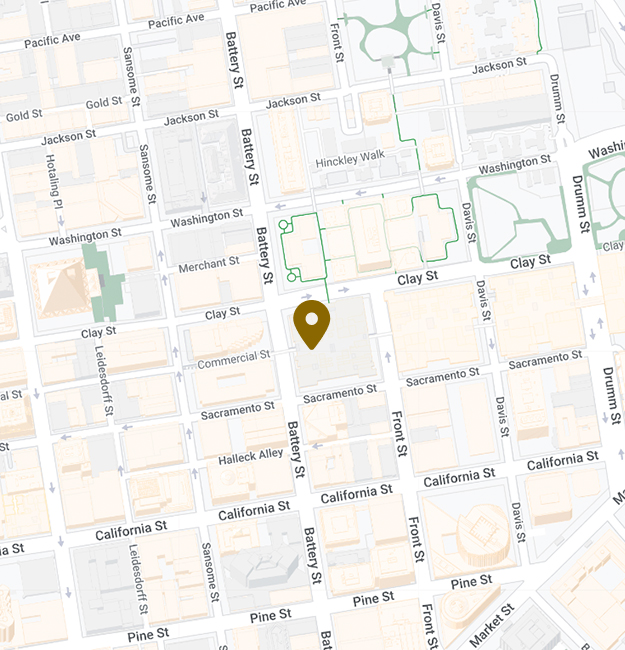
Fill out the contact form or call us at (415) 727-1832 to schedule your free consultation.