SAN FRANCISCO CAR ACCIDENT LAWYER
Serious injury cases and real results




If you were injured in a car accident in San Francisco, you may have the right to recover compensation for your medical bills, lost income, pain and suffering, and other losses. California car accident claims often turn on fault, the seriousness of the injuries, the insurance available, and the evidence collected early in the case. What seems simple at first can become complicated once the insurance company starts disputing liability, minimizing treatment, or arguing that the injuries are not as serious as claimed.
Anderson Franco Law represents people injured in San Francisco car accident cases and throughout the Bay Area. Our firm handles a wide range of collision claims, including rear-end crashes, intersection collisions, freeway accidents, hit-and-run cases, uninsured and underinsured motorist claims, rideshare crashes, and accidents involving company vehicles or public entities. We also help clients address issues that often affect the value of a case, including medical bills, health insurance reimbursement, liens, missed time from work, and comparative fault arguments.
This page explains what you need to know after a San Francisco car accident, including whether you may have a case, when to speak with a lawyer, who may pay medical bills while the claim is pending, how fault is determined under California law, what damages may be available, and what steps to take to protect your claim. If another driver caused your injuries, early decisions can affect both the strength of the case and the amount ultimately recovered.
You have a car accident case if another driver or company caused the crash, and the crash injured you.
At Anderson Franco Law, we start with two questions: (1) who caused the crash, and (2) what harm did it cause you? If someone else was at fault and you have medical bills, missed work, pain, or other losses, there may be a claim. Here are common examples we see and cases we’ve handled:
You should talk to a lawyer as soon as possible after a car accident, especially if you were injured or the facts are not clear. The earlier a lawyer gets involved, the easier it is to protect evidence, deal with the insurance company, and identify issues that can affect the value of the case.
We have seen many people wait too long because they assume the insurance company will be fair or because they are still trying to figure out how serious the injury is. That delay can hurt the case. Photos get lost, witnesses become harder to find, vehicles are repaired, and important records are not gathered early. Anderson Franco evaluates these issues early so clients can understand whether they have a claim and what steps should be taken next. You especially should speak with a lawyer after a crash if any of the following apply:
These situations often involve legal or insurance issues that are more complicated than a basic claim. For example, public entity cases can involve shorter deadlines. Commercial vehicle cases may require investigation into the driver, employer, and insurance coverage. Uninsured and underinsured motorist claims can raise important questions about your own policy and how benefits are triggered. Anderson Franco has experience spotting these issues early and helping clients avoid mistakes that can weaken the case.
Even if you are not sure whether you need a lawyer, it is usually better to get clarity early. A San Francisco car accident lawyer can review the facts, explain whether there may be a claim, and help you understand what evidence matters. We would rather evaluate a case early than try to fix avoidable problems late
In the first 24 to 72 hours after a crash, focus on your health, the evidence, and the reporting steps that may protect your claim. We have seen early mistakes hurt otherwise strong cases. We have also seen how the right steps in the first few days can make it easier to prove fault, document injuries, and deal with the insurance company later.
We advise clients to treat the first few days after a crash as important. Get care, preserve evidence, and avoid casual mistakes with insurers. Those first steps often shape how strong the case will be later.
Usually, the at-fault driver’s insurance company does not pay your medical bills as treatment happens. That is one of the biggest misunderstandings after a crash. In most cases, treatment gets paid first through health insurance, MedPay, or sometimes lien-based treatment, while the injury claim is investigated and resolved later. The California Department of Insurance explains that health insurance usually pays immediate care first, and Medical Payments Coverage can pay limited medical expenses regardless of fault.
At Anderson Franco Law, we know many injured people are less worried about legal theory at the start and more worried about a simple question: how do I get treatment paid for right now? That is the right question. Anderson Franco helps clients evaluate the available payment options early, because the way treatment is handled during the case can affect both the claim and the client’s net recovery later.
In many car accident cases, health insurance pays first for immediate treatment. That may include the ER, hospital care, imaging, follow-up visits, and other covered treatment. But that does not always end the issue. Later, the health insurer may claim a right to seek repayment from a settlement or recovery. The California Department of Insurance describes this process as subrogation, meaning an insurer may try to recover what it paid from a responsible third party or related recovery.
If your auto policy includes Medical Payments Coverage, often called MedPay, it may help pay limited medical expenses after the crash regardless of fault. MedPay is often useful for deductibles, copays, or treatment before the liability claim is resolved. The California Department of Insurance describes MedPay as limited medical-expense coverage for people injured in the car you are driving, whether or not you were at fault.
Some injured people receive treatment on a lien, meaning the provider agrees to wait for payment until the case resolves. This can matter when someone does not have usable health insurance, has high out-of-pocket costs, or needs care from providers willing to work within a personal injury claim. We look at lien issues carefully because treatment on a lien may help a client access care, but it also creates repayment issues that need to be managed later.
Even when treatment is paid along the way, that does not always mean the money is “free.” A health insurer, MedPay carrier, or other payer may later assert a reimbursement or subrogation claim against the settlement. That is why a car accident case is not just about proving fault. It is also about protecting the client’s net recovery after bills, liens, and repayment claims are addressed. The California Department of Insurance specifically notes that health insurers often try to recover what they paid, and describes subrogation as the effort by one insurer to get money back from another responsible source.
The bodily injury claim against the at-fault driver usually gets valued and resolved later, after the insurer investigates liability, reviews records, and evaluates damages. In other words, the claim is typically not handled like an open tab where the other side simply pays each bill as it comes in. That is why people often need a plan for treatment and bill payment while the case is still ongoing.
This is one of the first issues we discuss with injured clients. Anderson Franco helps clients understand whether treatment may be paid through health insurance, MedPay, or other arrangements, and what reimbursement issues may arise later. This is also where it makes sense to link to your lien and subrogation content, because for many clients, who pays now and who gets reimbursed later are two different questions.
Fault is decided by looking at the evidence, not just by accepting what the other driver or insurance company says. In a San Francisco car accident case, fault may be evaluated using photos, witness statements, vehicle damage, video, black-box data, the police report, and the roadway layout. Sometimes fault is clear right away. Other times, the insurance company tries to shift part of the blame to reduce what it has to pay.
We look closely at how the crash happened and what evidence best explains it. Anderson Franco has seen many cases where the first version of events was incomplete, unfair, or simply wrong. That is why early investigation matters. A case may look different once the damage patterns, scene photos, video, and witness accounts are reviewed together.
You may still have a case even if you were partly at fault. California follows comparative fault rules. That means an injured person may still recover damages even if they were partly responsible, but the recovery can be reduced by that percentage of fault. In plain English: being partly at fault does not automatically mean you have no case.
For example, the insurance company may argue you were speeding, distracted, or could have avoided the crash. That does not end the claim. The real question is what the evidence shows and how responsibility should be divided. In some cases, the insurer says a person was partly at fault simply as a negotiation tactic. We evaluate whether that argument is actually supported by the facts.
Important evidence often includes:
Anderson Franco uses this evidence to evaluate fault early and push back when an insurance company tries to place unfair blame on the injured person. If the insurer says you were partly at fault, that does not mean they are right. It means the evidence needs to be reviewed carefully.
If another driver or company caused the crash, you may be able to recover compensation for both your financial losses and the human impact of the injury. We explain this in two parts: economic damages and non-economic damages.
Economic damages are the financial losses tied to the crash. They may include:
Medical expenses can include ambulance bills, ER care, hospital treatment, follow-up visits, physical therapy, imaging, medication, and other reasonable treatment related to the crash. If the injury will require care in the future, that may also be part of the claim. Lost wages may apply if you missed work, used sick time, or lost income while recovering. If the injury affects your ability to work going forward, there may also be a claim for reduced earning capacity. Out-of-pocket losses can include things like prescription costs, transportation to treatment, or other expenses caused by the accident.
Non-economic damages are the personal losses that do not come with a simple receipt or invoice. They may include:
These damages are often a major part of a serious injury case. They address how the injury affected your daily life, comfort, sleep, mobility, mental well-being, relationships, and ability to do normal activities. We focus not just on the bills, but also on how the injury changed the client’s life.
The value of a San Francisco car accident claim usually depends on several factors, including:
At Anderson Franco Law evaluates both the legal issues and the practical damages issues early. A case is not valued just by looking at the crash itself. It is valued by looking at the injuries, the evidence, the losses, and how well those losses can be proven.
You may still have a claim even if the other driver has no insurance or not enough insurance to cover your losses. This is where uninsured motorist and underinsured motorist coverage may matter.
Uninsured motorist coverage may apply when the at-fault driver has no insurance, such as in a hit-and-run or when the driver simply was not insured. Underinsured motorist coverage may apply when the other driver has insurance, but the policy limits are too low to fully cover your injuries and damages.
This is one of the first insurance questions we look at in a serious car accident case. Many injured people assume that if the other driver has little or no insurance, there is no real recovery. That is not always true. Anderson Franco evaluates whether your own policy, a household policy, or other available coverage may apply. We have successfully recovered money from policies that many other lawyers did not consider — such as household resident relative policies.
An uninsured motorist claim is usually made through your own auto insurance policy. Even though it is your own policy, the insurance company may still dispute fault, the extent of injury, or the value of the claim. In other words, the fact that it is “your” insurance company does not mean the process is simple or automatic.
These claims often come up when:
An underinsured motorist claim may arise when the other driver’s insurance exists, but it is not enough. For example, the at-fault driver may carry a small policy, but the injuries, treatment, and losses are much larger. In that situation, underinsured motorist coverage may help fill part of the gap, depending on the policy terms and available limits.
We look closely at whether the injury value is greater than the other driver’s coverage and whether additional coverage may be available through your own policy.
There is no one timeline for a San Francisco car accident case. Some cases resolve in a few months. Others take much longer. The timeline usually depends on the injuries, the medical treatment, whether fault is disputed, and how the insurance company responds.
In most cases, it makes sense to understand the full injury picture before trying to settle. If treatment is still ongoing, surgery is being discussed, or future care is unclear, settling too early can undervalue the case. At Anderson Franco Law, we look at whether the medical evidence is developed enough to fairly evaluate the claim before pushing for resolution.
A car accident case may take longer if:
Some claims resolve through insurance negotiations before a lawsuit is filed. Others require litigation, discovery, depositions, and possibly trial. Anderson Franco has seen straightforward cases move faster and more complex cases take substantially longer because the real issue is not just time—it is whether the case is ready to be valued and whether the defense is acting reasonably.
The most important point is this: a faster result is not always a better result. A case should usually move when the evidence, treatment, and damages are clear enough to evaluate properly. At Anderson Franco Law, Anderson Franco works to move cases forward efficiently while avoiding the mistake of resolving a claim before its value is understood.
Not every San Francisco car accident case is handled the same way. Some claims appear straightforward at first, but become more complex once the insurance company disputes fault, questions the medical treatment, points to gaps in care, or argues that the injuries were preexisting or not serious. Car accident cases also often involve coverage issues, policy-limit problems, uninsured or underinsured motorist claims, lien and reimbursement issues, and timing decisions about whether a case should settle or move into litigation.
Clients hire Anderson Franco Law because they want direct attorney involvement and a careful evaluation of the issues that actually affect case value. That includes liability, damages, insurance coverage, medical documentation, future treatment, wage loss, and the defense arguments likely to be raised by the insurance company. A strong car accident claim is not just about making a demand. It is about preparing the case from the beginning with those disputes in mind.
Anderson Franco Law has recovered millions of dollars for injured clients overall, including substantial recoveries in motor-vehicle injury cases. Publicly reported results include a $350,000 recovery in a rear-end truck collision case, a $275,000 recovery in a vehicle-collision case involving a fractured ankle, a $345,000 pedestrian crosswalk settlement, a $210,000 policy-limits pedestrian recovery, a $139,000 policy-limits uninsured motorist head-on collision recovery, and a $100,000 policy-limits freeway sideswipe recovery.
Although this page focuses on San Francisco car accident claims, some crashes involve issues that go beyond a standard passenger-vehicle case. Depending on the facts, a collision may also involve motorcycles, pedestrians, bicycles, trucks, construction vehicles, rideshare companies, or uninsured-motorist coverage. Those cases often raise additional questions about liability, insurance, evidence, and damages.
You may have a car crash case if another person or company acted negligently and caused the crash that injured you. The strength of the case usually depends on liability, injuries, insurance, and the available evidence. Even if fault is disputed, the case may still be viable.
If you were partly at-fault for your car accident, you may still be able to recover money. California applies comparative fault principles, which means fault can be shared and the case may still have value depending on the facts.
Usually, a personal injury claim must be filed within 2 years of the injury. But that is not the whole story. Claims against public entities usually require a much earlier government claim, often within 6 months, and different rules can apply depending on the facts.
If the other driver is uninsured or underinsured, you may still recover money, depending on the policy and the facts. One of the first questions in a serious case is whether all available insurance has been identified. We have successfully recovered money when the at-fault driver was uninsured or did not have enough insurance — in one case we recovered $800,000 in a car crash case.
Not before you understand what happened, what your injuries are, and how the statement may be used. In many cases, the safer approach is to be careful and get legal advice before giving a recorded statement to the adverse insurer.
There is no honest one-size-fits-all answer to how much your car accident case is worth. Value depends on liability, the nature of the injuries, treatment, permanency, lost income, insurance limits, future care, and how well the case is documented and presented.
Not every case requires a lawyer. But representation becomes especially important when injuries are serious, fault is disputed, multiple parties may be involved, coverage is unclear, or the insurer is minimizing the claim. San Francisco Bay Area Courts specifically note that legal help can be especially important where damages are large, fault is unclear, or several people or businesses may be responsible.
If you were injured in a San Francisco car accident and need clear answers about fault, medical bills, insurance, or what your case may be worth, contact Anderson Franco Law. Anderson Franco helps injured people understand whether they have a claim, what steps to take next, and how California car accident cases are actually handled. The sooner you get advice, the easier it is to protect evidence, avoid insurance mistakes, and move your case in the right direction.
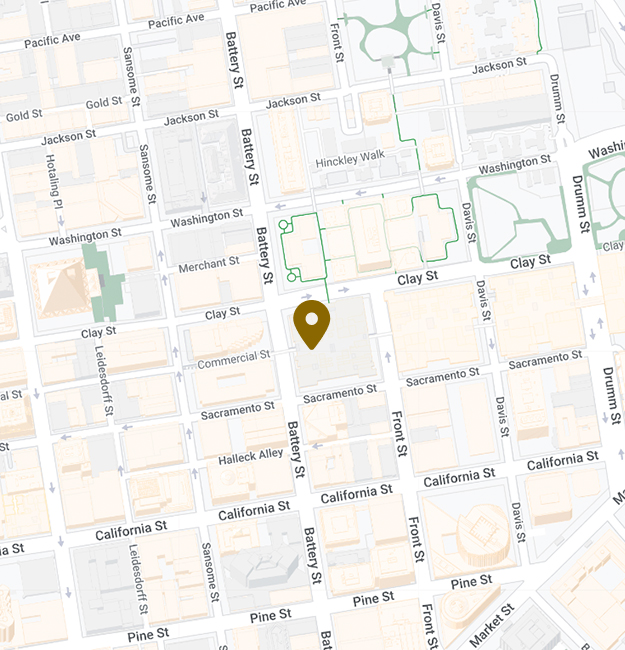
Fill out the contact form or call us at (415) 727-1832 to schedule your free consultation.