SF BAY AREA PERSONAL INJURY LAWYER
Serious injury cases and real results




If you were injured in a car accident in California, you may have a claim for compensation against the driver, company, or other party that caused the crash. A serious car accident can leave you dealing with medical treatment, missed work, vehicle damage, insurance calls, and uncertainty about what to do next. Anderson Franco Law helps injured people evaluate liability, preserve evidence, identify available insurance coverage, and pursue compensation after serious California car crashes.
Not every car accident case is simple. Some claims involve disputed fault. Some involve uninsured or underinsured drivers. Some involve company vehicles, dangerous road conditions, or long-term injuries that become more serious over time. A strong California car accident claim usually depends on early evidence, clear medical documentation, and a careful review of all available sources of recovery.
Call or text 415-727-1832 for a free consultation.
No fee unless we recover.
Se habla español.
You may have a California car accident case if another driver, company, or entity failed to use reasonable care and caused your injuries. Many valid claims arise from rear-end crashes, unsafe lane changes, left-turn collisions, red-light crashes, speeding, distracted driving, drunk driving, failure to yield, company-vehicle crashes, and hit-and-run collisions.
You should not assume you do not have a case just because the insurance company says fault is unclear. California car accident claims often involve conflicting stories, disputed liability, and comparative fault arguments. A case may still exist even if the other side says you were partly at fault.
You also should not assume the case is small just because the vehicle damage looks minor. Some injuries become more obvious over time. Neck injuries, back injuries, concussions, and other crash-related symptoms may worsen after the initial shock wears off. California courts note that personal injury claims generally must be filed within two years, so delay can matter.
California car crashes happen in many ways, but certain crash patterns appear again and again in real injury claims.
Rear-end crashes are common, but they are not always simple. Insurance companies may dispute injury severity, argue preexisting conditions, or claim the treatment was excessive.
These cases often involve conflicting accounts about signals, right of way, speed, and whether a driver tried to beat a light or turn unsafely across traffic.
A left-turn collision can happen when a driver turns across the path of an oncoming vehicle. These crashes often cause serious injuries and significant liability disputes.
Lane-change cases often turn on blind spots, roadway position, signaling, speed, and whether one driver moved into another vehicle’s travel path.
Side-impact crashes can happen at intersections, driveways, parking-lot exits, and uncontrolled crossing points. These crashes often cause significant injuries because vehicle occupants have less protection on the side of the vehicle.
A serious chain-reaction crash may involve multiple drivers, multiple insurers, disputed sequencing, and arguments about which impact caused which injuries.
A hit-and-run does not necessarily mean there is no case. In some situations, uninsured motorist coverage, witness evidence, surveillance footage, and physical evidence may still support recovery.
California still has many low-limit and uninsured-driver claims. Beginning in 2025, standard California auto policies moved to higher minimum liability limits of $30,000 per person, $60,000 per accident, and $15,000 for property damage, but those limits may still be far too low in a serious injury case. UM/UIM analysis remains critical.
If the crash involved a work vehicle, delivery vehicle, service vehicle, or employee driving for work, there may be additional liability and insurance issues beyond a standard personal auto claim.
Liability in a California car accident case is not always limited to the driver who hit you. Depending on the facts, more than one person, business, or entity may be legally responsible.
A negligent driver may be liable for distracted driving, speeding, unsafe lane changes, running a red light, following too closely, failing to yield, drunk driving, or other careless conduct.
An employer or company may be liable if the at-fault driver was working at the time of the crash. That can matter in delivery, transportation, service, and fleet-vehicle cases.
A vehicle owner may also matter in some claims, depending on ownership, permissive use, and available insurance coverage. In some cases, a public entity may be relevant if a dangerous roadway condition, unsafe design, poor maintenance, or another government-related condition contributed to the crash. Claims involving public entities can involve much shorter deadlines than ordinary injury claims.
One of the most important parts of a serious California car crash case is identifying every potentially responsible party early. That can affect the evidence that should be preserved, the insurance that may apply, and the overall value of the claim.
Evidence can make or break a car accident claim. The insurer may say your injuries are minor, that the crash was not your fault, or that the property damage does not match the medical treatment. Strong evidence helps answer those arguments.
Important evidence may include:
California’s courts specifically advise injured people to keep all evidence related to the injury. That is especially important in a serious crash where liability, causation, or damages may later be disputed.
If you were injured because of another party’s negligence, you may be able to recover both economic and non-economic damages.
Economic damages are the financial losses caused by the crash. They may include:
Non-economic damages are the human losses that do not come with a fixed bill. They may include:
If a California car accident caused a death, eligible family members may be able to pursue a wrongful death claim depending on the facts and the relationship involved.
California Courts’ self-help guidance confirms that personal injury cases seek money for harm caused by another person’s actions, and property-damage claims generally have a different limitations period than injury claims.
What you do after a crash can matter.
Get medical care as soon as possible. Take photographs if you can. Identify witnesses. Preserve insurance information. Keep records of your symptoms, treatment, and missed work. Do not assume the insurer will value the case fairly on its own.
California DMV guidance says an SR-1 must generally be sent to DMV within 10 days if anyone was injured or killed, or if property damage exceeded $1,000. California law also requires drivers in injury or fatal crashes to stop and fulfill statutory duties at the scene.
Several California rules often matter in a car accident claim.
In many California personal injury cases, the general deadline to sue is two years from the injury. Property-damage claims are generally subject to a three-year deadline. Claims against government entities can involve much shorter deadlines and different procedures.
California also requires DMV accident reporting in qualifying cases. And many serious cases turn not only on what happened, but on whether the evidence shows another driver failed to use reasonable care.
Insurance also matters. California’s standard minimum liability limits increased in 2025 to 30/60/15, but those minimums are often inadequate in a serious injury case. California Department of Insurance materials also explain the role of UM/UIM coverage when the at-fault driver has no insurance or not enough insurance.
A serious California car accident claim is not just paperwork. It can require careful liability analysis, medical documentation, insurance review, damages development, and negotiation strategy.
Anderson Franco Law helps injured people understand what claims may exist, what deadlines apply, what evidence should be preserved, and what recovery paths may be available. We help evaluate fault disputes, coverage problems, serious injuries, UM/UIM issues, and whether a company or public entity may also be involved.
We understand that after a crash, most people want direct answers to practical questions: Who pays for treatment? What if the other driver has low limits? What if the insurer says I was partly at fault? What if my symptoms get worse later? A strong statewide California car accident page should answer those questions directly and also guide users to the more specific subpages that match their situation.
At Anderson Franco Law, we have recovered successful settlements for people injured in California car accident cases. Every case is different, and no lawyer can honestly promise a particular outcome, but our results reflect the importance of careful investigation, strong documentation, and persistent advocacy. In serious motor vehicle cases, insurance companies often do not simply offer fair compensation at the beginning. A strong recovery usually requires building the case with medical records, liability evidence, damages analysis, and a clear presentation of how the collision affected the client’s life.
Our case results include substantial recoveries in injury matters involving serious trauma, disputed liability, limited initial coverage, and difficult insurance issues. These results matter because they show that car accident cases are often more complex than they first appear. In many claims, success depends not only on proving that a crash happened, but also on proving the full extent of the injuries, identifying every available source of insurance coverage, and presenting the case in a way that makes the defense understand the real exposure. That approach has helped us obtain meaningful settlements for injured clients across a range of California accident cases.
Car accidents can cause a wide range of injuries, including:
Some injuries are immediately obvious. Others develop over hours or days. That is one reason medical follow-up matters after a crash, even when adrenaline initially masks symptoms.
The deadline is usually two years for a personal injury claim and three years for property damage, but a much shorter deadline may apply if a government entity is involved.
Yes, in qualifying cases. California DMV says an SR-1 generally must be submitted within 10 days if anyone was injured or killed, or if property damage exceeded $1,000.
You may still have a recovery path through uninsured motorist coverage, underinsured motorist coverage, or other available insurance depending on the facts. California insurance materials explain that UM/UIM is designed for crashes involving uninsured or underinsured drivers.
You may still have a case. Many California car accident claims involve disputed fault, and shared fault does not automatically eliminate recovery.
You may be able to recover medical expenses, lost income, reduced earning ability, pain and suffering, and property damage. Severe cases may also involve future care and long-term life impact.
Most personal injury car accident cases are handled on a contingency fee. That means attorney’s fees are paid only if there is a recovery.
If you were injured in a car crash in California, do not let the insurance company define the claim before the evidence is preserved and the coverage is understood. We handle cases in
Call or text 415-727-1832 for a free consultation.
No fee unless we recover.
Anderson Franco Law helps injured people with serious California car accident claims.
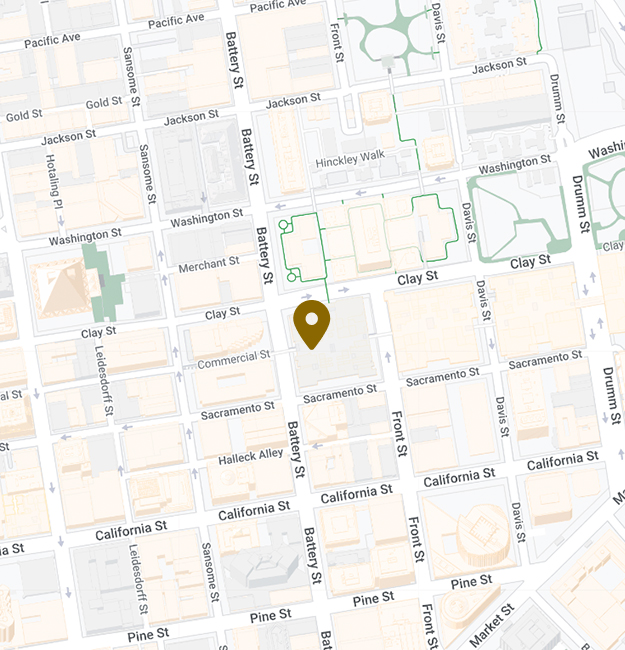
Fill out the contact form or call us at (415) 727-1832 to schedule your free consultation.