SAN FRANCISCO TRUCK ACCIDENT LAWYER
Serious injury cases and real results





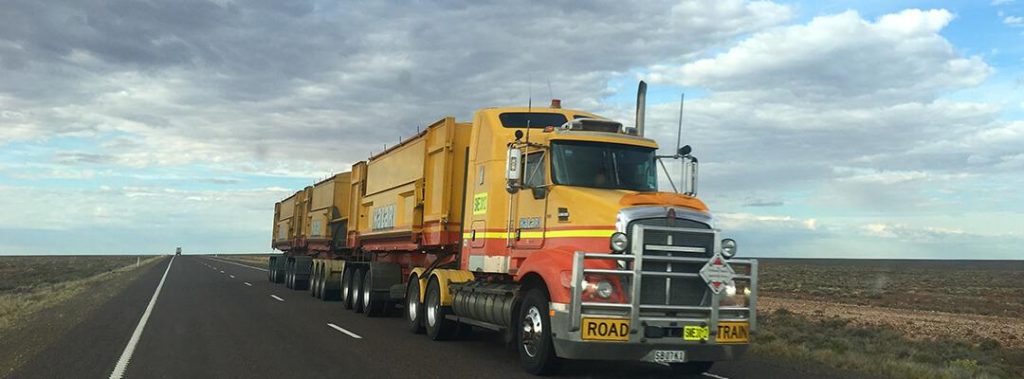
If you were hurt in a truck accident in San Francisco, this page is for you. Truck accident cases are often more complex than ordinary car accident cases because they may involve severe injuries, disputed fault, trucking companies, commercial insurance, and multiple liable parties.
We help people with serious truck accident cases in San Francisco. Contact us now for a free consultation. No fee unless we recover.
A San Francisco truck accident case is a personal injury claim arising from a crash involving a commercial truck, such as a semi-truck, tractor-trailer, box truck, delivery truck, dump truck, garbage truck, construction truck, or other commercial vehicle. These cases are often different from ordinary car accident cases because they may involve not only the driver, but also a trucking company, employer, vehicle owner, maintenance company, cargo loader, or other business, along with commercial insurance policies, driver records, inspection records, maintenance issues, and safety violations that do not usually arise in a typical passenger-car collision.
You may have a truck accident case if another person or company caused the crash and you were injured as a result. In a San Francisco truck accident claim, the responsible party may be the truck driver, the trucking company, the driver’s employer, a maintenance or repair company, a cargo-loading company, or another driver whose conduct contributed to the collision. The key question is whether another party’s negligence helped cause the crash and your injuries.
You may still have a case even if fault is disputed. In many truck accident cases, the trucking company, insurer, or defense lawyer may argue about how the collision happened, who had the right of way, whether the truck was operated safely, or whether your injuries were really caused by the crash. A disputed-liability case is still a case. It means the evidence must be investigated carefully.
You may also still have a case even if you were partly at fault. California follows comparative fault rules, which means an injured person may still recover compensation even if they were partially responsible, although the recovery may be reduced based on that share of fault. That is one reason it is important not to assume you have no claim just because the other side blames you.
If a family member was killed in a truck crash, surviving relatives may also have a wrongful death claim under California law. Truck accident cases often involve serious or fatal injuries, and the legal analysis may include both liability issues and the full extent of the losses suffered by the injured person or family.
Truck accident cases often involve more severe injuries than ordinary car accident cases. Because commercial trucks are larger and heavier, these crashes are more likely to cause catastrophic injuries, long-term medical treatment, lost earning capacity, or wrongful death.
They also often involve more parties and more records. A truck accident case may involve the driver, trucking company, employer, truck owner, maintenance company, cargo loader, or another business, along with driver logs, black box data, inspection records, maintenance records, and company safety documents.
Truck accident cases also tend to trigger a stronger defense response. Trucking companies and commercial insurers may move quickly, investigate the crash early, and fight hard over fault, causation, and damages. That is why these cases often require faster investigation and a more aggressive legal strategy.
Liability in a San Francisco truck accident case is often more complicated than in an ordinary car crash. In some cases, the truck driver may be responsible for causing the collision through speeding, distraction, unsafe lane changes, following too closely, fatigue, or other negligent conduct. But the driver is not always the only potentially liable party.
The trucking company or motor carrier may also be responsible. A trucking company may be liable for its driver’s conduct, and it may also face separate liability for poor hiring, inadequate training, unsafe supervision, unrealistic delivery demands, failure to enforce safety rules, or failure to maintain the vehicle properly. If the driver was working at the time of the crash, the employer or company behind the trucking operation may be a major part of the claim.
In some cases, the owner of the truck or trailer may be different from the company operating it. That can matter when the ownership structure, maintenance responsibilities, or insurance coverage are divided among multiple entities. A maintenance or repair company may also be liable if poor inspection, negligent repair work, or failure to correct a known mechanical problem contributed to the collision.
Cargo issues can also create liability. A cargo loading company or other third party may be responsible if the truck was overloaded, unevenly loaded, improperly secured, or carrying cargo in a way that made the vehicle unsafe. In other cases, the claim may involve a manufacturer of defective parts, such as brakes, tires, steering components, or other vehicle systems that failed and helped cause the crash.
In rarer situations, a public entity may also be involved. If dangerous roadway design, malfunctioning traffic controls, poor visibility, missing warnings, or a hazardous road condition contributed to the truck accident, a city, county, or other public entity may need to be evaluated as part of the case. Because truck accident claims may involve multiple companies and overlapping responsibilities, identifying every potentially liable party is often a critical part of building the case.
If you were injured in a truck accident, you may be able to recover compensation for both economic and noneconomic losses.
Economic damages are the financial losses caused by the crash. These often include:
Noneconomic damages compensate for the human impact of the injury. These may include:
In serious truck accident cases, compensation often includes both current losses and future damages, especially where injuries require ongoing care or affect your ability to work long-term.
If a truck accident results in a death, certain family members may bring a wrongful death claim. This can include recovery for funeral and burial expenses, loss of financial support, and the loss of companionship, care, and guidance the person would have provided.
Evidence can be critical in a truck accident claim because it helps show how the crash happened, who was at fault, and how seriously the injured person was harmed. Important evidence often includes the police report, scene photographs, vehicle photographs, witness statements, surveillance footage, dashcam footage, medical records, and proof of lost income.
Truck accident cases often involve additional categories of evidence that do not usually exist in an ordinary car accident case. Depending on the facts, the claim may involve driver logs, electronic logging device data, black box or event data, dispatch records, employer records, inspection reports, maintenance and repair records, cargo-loading records, and post-crash investigation materials. If impairment is suspected, drug or alcohol testing records may also become important. These records can help show whether the truck was being operated safely, whether the vehicle was properly maintained, and whether a company failed to follow safety requirements.
Physical evidence may matter as well. Vehicle damage, skid marks, debris patterns, lane positions, roadway layout, traffic controls, and visibility conditions can all help explain how the collision occurred. In serious cases, early investigation can make a major difference because video may be overwritten, vehicles may be repaired or moved, and company records may become harder to obtain as time passes.
That is one reason truck accident cases often require fast action. Early investigation may include locating witnesses, obtaining available video, documenting the scene, identifying all companies involved, and sending preservation letters so relevant records and electronic data are not lost or destroyed. In a commercial-truck case, preserving evidence early can be one of the most important steps in building a strong claim.
After a truck accident in San Francisco, the steps you take can affect both your health and your legal claim. Truck accident cases often involve serious injuries, commercial insurance companies, and evidence that may disappear quickly. Getting medical care and preserving evidence early can make a major difference.
If you were hurt in a truck accident in San Francisco, we can evaluate the claim, explain your options, and help investigate what happened. Call or text for a free consultation. No fee unless we recover.
We understand that truck accident cases often need fast, focused investigation. We move quickly to identify all companies involved, not just the driver. In many truck cases, liability may extend to the trucking company, employer, vehicle owner, maintenance provider, cargo company, or other business connected to the crash.
We also take practical steps early to build the case. When available, we seek surveillance footage from nearby businesses, locate and interview witnesses, and analyze the scene layout, lane positions, visibility, and roadway conditions. In the right case, those details can make a major difference in showing how the truck collision happened and who is responsible.
Just as important, we act to preserve evidence before it disappears. We send preservation letters for driver logs, electronic data, maintenance records, and other company materials that may be critical to the claim. If you were injured in a truck accident in San Francisco, contact Anderson Franco Law for a free consultation. No fee unless we recover.
Commercial vehicle accident cases can involve many different types of trucks and business-operated vehicles. Although people often use the word “truck accident” broadly, the facts, insurance issues, and liability questions can look very different depending on the vehicle involved. At Anderson Franco Law, we handle a range of commercial vehicle injury cases and investigate the companies, drivers, and insurance policies that may be responsible.
Semi-truck accidents often cause severe injuries because of the size and weight of the vehicle. These cases may involve jackknife crashes, underride collisions, wide-turn incidents, lane-change collisions, rear-end crashes, brake issues, driver fatigue, or cargo-related problems. We investigate the driver, the trucking company, maintenance records, and other evidence that may help show what happened and who may be legally responsible.
Tractor-trailer crashes can involve complex liability issues that go beyond the individual driver. In some cases, responsibility may extend to the motor carrier, trailer owner, loading company, maintenance contractor, or another business involved in the trip. These cases often require careful review of the vehicle configuration, cargo, route, driver logs, inspection history, and the circumstances of the collision.
Delivery truck accidents may involve local delivery vehicles, fleet-operated vans, route drivers, and commercial drivers making frequent stops in neighborhoods, business districts, and loading zones. These crashes can happen during backing movements, sudden stops, intersection turns, double-parking situations, or while a driver is distracted or rushing to complete deliveries. We look closely at whether the driver was working at the time and whether a company may be responsible for the harm caused.
Box truck accidents can cause major injuries even though the vehicle is smaller than a full semi-truck. These vehicles are often used for deliveries, moving services, retail operations, and commercial transport. Box truck cases may involve limited visibility, improper loading, unsafe turns, driver inexperience, or braking distance issues. We evaluate both the crash itself and the business use of the vehicle to determine what claims may be available.
Dump truck and construction truck accidents can occur on highways, city streets, construction zones, and work sites. These cases may involve falling debris, overloaded trucks, blind-spot collisions, backing incidents, unsafe lane changes, or failures related to truck maintenance and operation. In some cases, multiple contractors or companies may be involved, which makes early investigation especially important.
Garbage truck accidents can happen in residential neighborhoods, alleys, commercial pickup areas, and intersections. Because these vehicles stop frequently, turn often, and operate in tight spaces, collisions may involve pedestrians, bicyclists, parked vehicles, and other drivers. Garbage truck cases may also raise questions about municipal liability, private waste contractors, driver training, and vehicle operation practices.
No matter the type of commercial vehicle involved, these cases often require quick investigation, preservation of evidence, and careful analysis of insurance and business responsibility. Anderson Franco Law helps injured people evaluate truck and commercial vehicle accident claims and pursue compensation when another driver or company caused the harm.
In some San Francisco truck accident cases, the injured person may also have a workers’ compensation claim. This can apply if you were working at the time of the crash, such as a delivery driver, construction worker, or employee traveling between job sites. In these situations, workers’ compensation may cover medical care and partial wage loss, while a separate personal injury claim may be pursued against the truck driver, trucking company, or other responsible parties. This often arises in construction-related incidents involving dump trucks, work vehicles, or jobsite traffic where multiple companies may be involved.
Truck accidents also frequently cause catastrophic injuries, including traumatic brain injuries, spinal cord injuries, and severe orthopedic damage. In some cases, these injuries may overlap with issues seen in serious motorcycle accident cases, particularly where visibility, speed, and impact force are factors. Identifying whether a claim involves both workers’ compensation and a third-party case can be important because it may affect how the case is handled and the total compensation that may be available.
What is the deadline to file a truck accident claim in California?
The deadline to file a truck accident claim in California is usually 2 years from the date of the injury. If the crash caused a death, the wrongful death deadline is also usually 2 years. But some cases have much shorter deadlines. For example, if a city, county, or other public entity may be involved, a government claim usually must be filed much sooner, often within 6 months. Because deadlines can change based on the facts, it is important to act quickly.
What if I was partly at fault?
If you were partly at fault, you may still have a claim. Truck accident cases often involve disputes about who caused the crash and whether more than one person or company is responsible. The key issue is what the evidence shows. Even if you share some blame, you should not assume you cannot recover compensation.
What if the truck driver worked for a company?
If the truck driver worked for a company you may have a claim against the driver and the company. In many truck accident cases, responsibility may extend to the trucking company, the driver’s employer, the owner of the truck, or another business involved in the trip or operation. That is why it is important to identify every person or company that may be legally responsible.
What if the trucking company denies responsibility?
A trucking company’s denial does not mean the case is over. These cases are often decided by the evidence, including medical records, witness statements, photos, police reports, and company or vehicle records. Early investigation can be very important in truck accident cases because evidence may not stay available for long.
What is my truck accident case worth?
A truck accident case is worth whatever the facts and damages support. The value usually depends on the seriousness of the injuries, medical bills, lost wages, future treatment, pain and suffering, and how the injuries affect your life and ability to work. Available insurance coverage and the strength of the evidence also matter.
Do truck accident cases settle?
Truck accident cases sometimes settle and sometimes go to court. Whether a case settles often depends on who is at fault, how serious the injuries are, the amount of insurance available, and how strong the evidence is. If the case does not settle, it may need to be filed as a lawsuit and litigated.
What is the cost of hiring a truck accident lawyer?
The cost of hiring a truck accident lawyer is often a contingency fee. That means the lawyer is paid only if money is recovered for you. If there is no recovery, there is usually no attorney fee. At Anderson Franco Law, we handle truck accident cases on a contingency fee basis, so there is no attorney fee unless we recover money for you.
What if a loved one died in the crash?
You may be able to bring a wrongful death claim if a loved one died in a truck accident. In California, certain family members or the personal representative may have the right to bring that claim. The deadline is usually 2 years, but if a public entity may be involved, a much shorter claim deadline may apply. These cases should be investigated as soon as possible.
Fill out the contact form or call us at (415) 727-1832 to schedule your free consultation.