SF BAY AREA PERSONAL INJURY LAWYER
Built for serious cases and real results





If you were injured at work in San Francisco or anywhere in California, you may have the right to workers’ compensation benefits. A work injury can leave you dealing with pain, medical appointments, missed paychecks, and pressure from your employer or the insurance company. Many injured workers do not know what benefits may be available, what deadlines apply, or whether they may also have a claim outside of workers’ compensation.
At Anderson Franco Law, we help injured workers understand their rights after a job-related injury or occupational illness. We know that workers’ compensation cases can become complicated very quickly. A claim may be denied. Medical treatment may be delayed. A doctor may minimize the injury. An employer may question whether the injury really happened at work. Many injured workers do not know what benefits may be available, what deadlines apply, or whether they may also have a claim outside of workers’ compensation.
Workers’ compensation is different from a standard personal injury case. In many situations, an injured worker may qualify for benefits without having to prove the employer was negligent. But that does not mean the claim will be simple, fair, or fully paid without pushback. That is where experienced legal guidance can make a difference.
Workers’ compensation is a system that provides benefits to employees who suffer injuries or illnesses arising out of and in the course of employment. In California, workers’ compensation may provide benefits for medical care, wage loss, permanent disability, and other forms of support depending on the facts of the case.
In plain terms, workers’ compensation exists to provide help after a work-related injury even when there is no traditional lawsuit against the employer. That makes it different from a regular negligence claim. It is a benefits system, not a full personal injury recovery system. As a result, many injured workers discover that the benefits available do not fully cover what the injury has cost them physically, financially, and emotionally.
We help clients understand claims involving many different kinds of work injuries and occupational conditions, including:
Some injuries happen in one obvious incident. Others develop slowly over time because of repetitive work, long hours of physical strain, repeated hand use, repetitive lifting, constant bending, standing, climbing, or exposure to harmful substances.
California workers’ compensation law may cover both specific injuries and cumulative trauma injuries.
A specific injury usually happens during a particular event or shift. Examples include a fall from a ladder, a lifting accident, a workplace vehicle collision, equipment striking a worker, or a sudden twist that injures the back or knee.
A cumulative trauma injury develops over time. These cases often involve repeated lifting, repetitive hand motion, keyboard work, driving, prolonged standing, frequent overhead reaching, or other repeated physical demands that gradually cause injury. In some cases, ongoing exposure to harmful substances may also lead to an occupational illness.
Cumulative trauma claims are important because many workers do not have one dramatic accident date. They simply realize that months or years of work have caused real pain and real limitations.
Depending on the case, workers’ compensation benefits may include:
The exact value of a workers’ compensation case depends on the injury, the medical evidence, the worker’s job duties, work restrictions, disability rating, and whether the worker can return to the same type of employment. Even when benefits are technically available, disputes often arise over what treatment should be approved, how long disability payments should continue, and how serious the lasting impairment really is.
Usually, no. Workers’ compensation is generally considered a no-fault system. That means an injured worker may still qualify for benefits even without proving the employer did something careless or wrong.
That said, no-fault does not mean no dispute. Claims are often denied or limited because the carrier argues that the injury did not happen at work, the medical condition was pre-existing, the worker is exaggerating, the requested treatment is unnecessary, or the employee can return to work sooner than the treating doctor says. The legal issue may not be “fault,” but there is often still a serious fight over causation, treatment, disability, and benefits.
Many workers assume the system will take care of them because they were injured while doing their job. Unfortunately, that is not always how the process works in real life.
Problems often arise when:
A work injury case can affect not only medical care and lost income, but also a person’s long-term ability to support themselves and their family. That is why it is important to understand the claim from the beginning.
Not every work injury case is limited to workers’ compensation.
In some situations, an injured worker may also have a separate third-party personal injury claim against someone other than the employer. This can happen when a different person or company caused or contributed to the incident. Examples may include:
This distinction matters. Workers’ compensation benefits are limited. A third-party personal injury claim may allow recovery for broader damages in the right case, including damages that workers’ compensation does not provide on its own.
Anderson Franco Law brings practical personal injury experience to work accident cases. That can be especially important when evaluating whether an injured worker may have more than just a standard workers’ compensation claim.
Construction workers face some of the most dangerous job conditions in California. Falls from heights, unsafe ladders, collapsing materials, trench hazards, machinery incidents, struck-by events, electrical injuries, and heavy lifting injuries can all lead to serious harm.
In some construction injury cases, workers’ compensation is only part of the picture. A worker may also have a claim involving a general contractor, subcontractor, property owner, equipment manufacturer, or another responsible party. These cases require close attention to who controlled the work site, who created the dangerous condition, and what evidence needs to be preserved early.
A denied claim does not always mean the case is over. Claims can be denied for many reasons, including disputes about notice, causation, prior conditions, or medical support. Sometimes a claim is denied because the injured worker did not fully understand how to report the injury, what to say at treatment visits, or what documentation was needed from the start.
If your claim was denied, it is important to evaluate why. The next steps may depend on the denial reason, the medical evidence, the timing of the report, and whether other legal claims may exist. A denied claim should be reviewed carefully before you assume there is nothing more you can do.
Injured workers need more than general information about the system. They need a lawyer who understands how a serious work injury affects every part of life, including medical care, income, family responsibilities, and the ability to return to work.
At Anderson Franco Law, we represent injured workers in both workers’ compensation and personal injury matters. Anderson Franco has recovered millions for injured clients across workers’ compensation and personal injury cases. He has represented many construction workers, laborers, and employees who suffered significant injuries on the job, including falls, crush injuries, orthopedic injuries, head trauma, back injuries, and other serious harm that changed their ability to work and live normally.
Our firm has also represented workers injured at the very places where they were employed. In one matter, we represented a worker who was injured at the store where she worked. Cases like that show why it is important to look closely at every work injury claim, because some incidents involve more than a standard workers’ compensation case and may raise broader questions about unsafe property conditions, third-party responsibility, or other legal exposure.
We take time to understand how the injury happened, what treatment has been recommended, what problems have come up with work, and whether the case may involve both workers’ compensation benefits and a separate personal injury claim. That broader perspective matters. In many workplace accident cases, the key issue is not just securing benefits through the workers’ compensation system, but also identifying whether another person, company, contractor, property owner, or vendor may be legally responsible for the injury.
Clients choose Anderson Franco Law because they want direct communication, honest guidance, and careful legal analysis. We work to make the process clearer, protect our clients’ rights, and help them pursue the fullest recovery available under the law.
After a work injury, one of the most important steps is reporting it as soon as possible. Waiting too long can make the case harder. An employer or insurance company may later argue that the injury did not happen at work, that it happened on a different date, or that the symptoms came from something else.
Prompt reporting also helps create a clear record of what happened. That record may include when the incident occurred, how it happened, what parts of the body were hurt, and when symptoms began. In many cases, these early details become very important later, especially if the claim is denied or the insurance company tries to minimize the injury.
Seeking medical care right away is just as important. Early treatment can protect your health and create medical documentation that connects the injury to your job. The longer a worker waits to report the injury or get treatment, the more likely it is that disputes will arise about the seriousness, cause, or scope of the injury.
If you were injured at work in San Francisco, Marin County, Oakland, San Jose, or elsewhere in California, Anderson Franco Law may be able to help you understand your rights. We offer free consultations and can discuss whether you may have a workers’ compensation claim, a third-party personal injury claim, or both.
Call or text Anderson Franco Law today to discuss your work injury case.
You should report the injury to your employer as soon as possible and seek medical care. You should also explain clearly how the injury happened and what body parts were affected. Prompt reporting matters because delays can create disputes about whether the injury was really work related.
You should also keep copies of documents, work restrictions, medical records, and communications about the claim if you can. Many workers do not realize how important the early record becomes if the insurance company later questions the injury.
In many cases, yes. Workers’ compensation is generally a no-fault system, which means you do not usually need to prove your employer was negligent to qualify for benefits. The key issue is often whether the injury arose out of and occurred in the course of employment.
That does not mean every claim is automatically accepted. Carriers still challenge claims in many ways, but fault is not usually the main issue in a standard workers’ compensation case.
This is a common dispute. The case may come down to the timing of the report, what was said in medical records, whether there were witnesses, and whether the job duties are consistent with the injury being claimed. Early documentation can matter a great deal.
If the employer or carrier denies the claim, the case should be evaluated carefully. Some denied claims can still be pursued, and some workers may also have related claims outside of workers’ compensation depending on how the injury happened.
Usually, workers’ compensation is the exclusive remedy against the employer for a standard workplace injury. But that does not mean you never have a lawsuit. In some cases, an injured worker may have a third-party claim against someone other than the employer, such as a negligent driver, property owner, subcontractor, or equipment manufacturer.
That is why work injury cases should be reviewed carefully. A person may assume they only have a workers’ compensation claim when there may actually be a separate personal injury case as well.
Yes. Workers’ compensation may cover cumulative trauma injuries that develop over time because of repeated physical or mental work demands. These cases often involve backs, shoulders, knees, wrists, hands, necks, and similar body parts that worsen from ongoing strain.
Cumulative trauma claims can be harder to explain because there may not be one dramatic accident date. That does not make them any less real or any less compensable.
Treatment disputes are common in workers’ compensation cases. The issue may involve utilization review, medical necessity, the choice of doctor, or disagreement over whether the requested treatment is related to the work injury. If your treatment is being delayed, the case should be reviewed promptly because delays can affect both recovery and leverage in the claim.
There is no one-size-fits-all answer. The value of a workers’ compensation case depends on the type of injury, the medical evidence, time missed from work, permanent impairment, work restrictions, disability rating, future care issues, and whether there is a third-party claim in addition to workers’ compensation.
A serious work injury may involve both short-term benefit issues and long-term case value issues. Both need to be reviewed carefully.
Not every case requires a lawyer, but many claims become more complicated than injured workers expect. If your claim has been denied, treatment is delayed, your disability is disputed, you have lasting injuries, or there may be a third-party claim, speaking with a lawyer can help you understand your options and avoid costly mistakes.
Anderson Franco Law represents injured workers in San Francisco, Marin County, Oakland, San Jose, and throughout the Bay Area. We also handle work injury matters across California. Our firm helps workers dealing with job-related injuries in cities including San Francisco, Oakland, Berkeley, Richmond, Daly City, South San Francisco, San Mateo, Redwood City, Palo Alto, Mountain View, Sunnyvale, Santa Clara, Fremont, Hayward, Concord, Walnut Creek, Vallejo, Napa, Santa Rosa, San Rafael, and Novato.
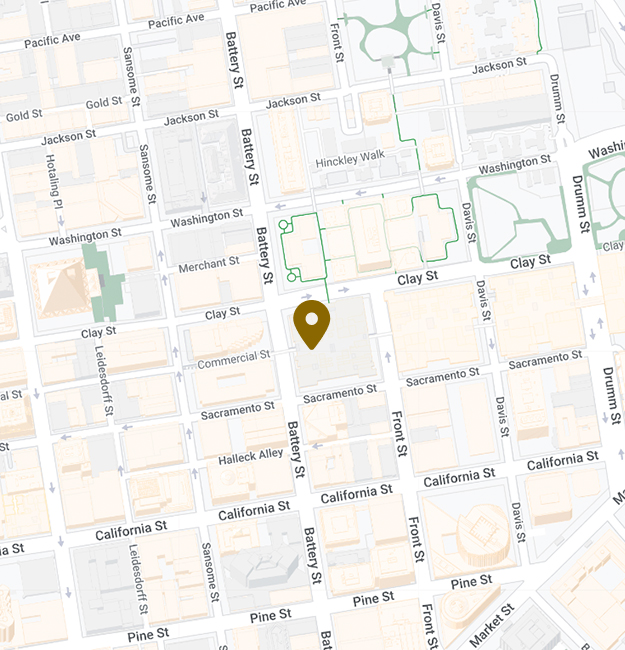
Fill out the contact form or call us at (415) 727-1832 to schedule your free consultation.