SF BAY AREA PERSONAL INJURY LAWYER
Built for serious cases and real results





If you were injured in an accident or hurt at work in California, you may come across legal and insurance terms that are unfamiliar. This glossary explains common words and phrases used in personal injury and workers’ compensation cases in plain English. At Anderson Franco Law, we represent injured people throughout California, and we created this page to help clients, families, and anyone researching a case better understand the process.
Some of these terms apply to personal injury claims, some apply to workers’ compensation claims, and some matter in both. Every case is different, but understanding the language can help you make better decisions and communicate more clearly with doctors, insurance adjusters, and lawyers.
If you have questions about how any of these terms apply to your case, contact Anderson Franco Law for a free consultation.
Negligence means a person or company failed to use reasonable care and caused harm to someone else. In many California personal injury cases, negligence is the core legal theory. A driver who runs a red light, a property owner who ignores a dangerous condition, or a company that fails to fix a known safety issue may be negligent.
Why it matters: In most injury cases, the injured person must prove that another party’s negligence caused the injury.
Liability means legal responsibility. If someone is liable, that means the law may require them, or their insurance company, to pay for the harm they caused. Liability can be disputed, especially when each side tells the accident story differently.
Why it matters: A strong injury claim usually requires clear evidence showing who was at fault and why.
Damages are the losses an injured person suffers because of an accident. In a California personal injury case, damages may include medical bills, future medical care, lost income, loss of earning capacity, pain, suffering, and emotional distress.
Why it matters: Proving an injury happened is only part of the case. You also need to prove the full value of the harm.
The plaintiff is the person who brings the lawsuit. In a personal injury case, that is usually the injured person.
The defendant is the person, business, or entity being sued. In a car accident case, the defendant may be the at-fault driver. In a dangerous property case, it may be the property owner, tenant, or management company.
A settlement is an agreement to resolve a claim without going to trial. Most personal injury cases in California resolve through settlement rather than verdict. A settlement may happen before a lawsuit is filed, during litigation, or shortly before trial.
Why it matters: Settlement can resolve a case faster and with less uncertainty, but only if the amount is fair.
The statute of limitations is the deadline to file a lawsuit. In many California personal injury cases, the deadline is generally two years from the date of injury, although shorter deadlines may apply in some situations, especially when a public entity is involved.
Why it matters: Missing a filing deadline can destroy an otherwise valid claim.
California follows a comparative fault system. That means an injured person may still recover compensation even if they were partly at fault, but their recovery can be reduced by their share of fault. The current page correctly recognizes that comparative negligence reduces recovery based on the plaintiff’s percentage of fault.
Why it matters: Insurance companies often try to shift blame to reduce the value of a claim.
Pain and suffering refers to the physical pain, emotional distress, inconvenience, and disruption to daily life caused by an injury. It is part of non-economic damages in a California personal injury claim.
Why it matters: A case is not limited to medical bills and lost wages. Human losses matter too.
A contingency fee means the lawyer only gets paid if there is a recovery. The fee is usually a percentage of the settlement or judgment.
Why it matters: Many injured people can hire a personal injury lawyer without paying upfront attorney’s fees.
Discovery is the part of a lawsuit where both sides exchange information and evidence. It can include written questions, document demands, depositions, and requests for admissions.
Why it matters: Discovery is how a case gets built, tested, and prepared for settlement or trial.
A deposition is sworn testimony taken outside of court, usually in an office setting. Lawyers ask questions, and a court reporter records the answers.
Why it matters: Depositions can strongly affect settlement value because they show how witnesses and parties will present at trial.
Mediation is a structured settlement process where a neutral third person tries to help the parties resolve the case. The mediator does not decide who wins. Instead, the mediator helps each side evaluate risk and negotiate.
Why it matters: Many California injury cases settle at mediation.
The burden of proof is the plaintiff’s obligation to prove the claim. In a civil case, the standard is generally proof by a preponderance of the evidence.
Why it matters: It is not enough to believe a client is right. The claim must be proven with evidence.
Causation means showing that the accident caused the injury or made an existing condition worse. This is often one of the biggest disputes in personal injury cases.
Why it matters: Insurance companies frequently argue that symptoms were pre-existing, minor, or unrelated.
Policy limits are the maximum amount an insurance policy may pay on a claim. Some cases are worth more than the available coverage, which makes identifying all possible sources of recovery very important.
Why it matters: Case value and collectible value are not always the same thing.
A bodily injury claim is the part of a liability claim that seeks compensation for physical injuries, emotional harm, medical treatment, wage loss, and pain and suffering.
A property damage claim usually refers to damage to a vehicle or other personal property caused by the accident. This is usually handled separately from the bodily injury portion of the claim, even when both arise from the same crash.
Uninsured motorist coverage may apply when the at-fault driver has no liability insurance. It can allow an injured person to pursue recovery through their own auto policy.
Underinsured motorist coverage may apply when the at-fault driver has insurance, but not enough to cover the injured person’s damages.
Why it matters: In serious crash cases, UM or UIM coverage can be critical.
Workers’ compensation is a California system that provides benefits to employees injured in the course of employment, generally regardless of fault. The current page correctly explains it as insurance that provides wage replacement and medical benefits for work-related injuries.
Why it matters: A work injury claim usually follows different rules than a standard personal injury case.
An industrial injury is a work-related injury or illness. It can result from a single event, repeated trauma over time, or workplace exposure.
Temporary disability benefits are payments made when an injured worker cannot work for a period of time because of a work injury. The current page notes that these benefits typically cover about two-thirds of lost wages in California.
Why it matters: These benefits often become central when an injured worker misses substantial time from work.
Permanent disability benefits are compensation for lasting impairment after the worker reaches a point where the condition has stabilized. The amount depends on several factors, including the level of impairment and how it affects work capacity.
In workers’ compensation, medical treatment generally means care reasonably required to cure or relieve the effects of the industrial injury. The current page correctly identifies treatment such as doctor visits, surgery, medications, and therapy as common examples.
Work restrictions are limitations a doctor places on an injured worker, such as no lifting, limited standing, no overhead work, or reduced hours.
Why it matters: Restrictions often affect whether the employer can offer modified duty.
Modified duty is temporary or alternative work that fits within the injured worker’s medical restrictions.
Utilization review is the process used to review whether requested treatment will be approved, modified, delayed, or denied. The existing page correctly identifies UR as the insurer’s review process for treatment requests.
Why it matters: Treatment delays and denials often turn on UR decisions.
Maximum medical improvement means the worker’s condition has reached a point where it is not expected to substantially improve with more treatment. The current page explains this as the point where the condition has stabilized and is unlikely to improve further.
Why it matters: MMI often affects disability ratings, settlement discussions, and the future direction of the case.
Permanent and stationary is a term often used in California workers’ compensation that is similar to MMI. It generally means the condition has plateaued for rating and benefit purposes.
An IME is an examination by a doctor who is not the treating physician. The existing page defines this as an evaluation to assess the extent of injury and eligibility for benefits.
A QME is a doctor certified in California to evaluate disputed workers’ compensation medical issues. A QME may address causation, permanent disability, work restrictions, or the need for treatment.
Why it matters: In disputed cases, the medical-legal evaluator can significantly shape the outcome.
A compensable injury is an injury that qualifies for workers’ compensation benefits because it arose out of and occurred in the course of employment. The current page correctly describes it as an injury that must be work-related.
This is the insurance company handling the workers’ compensation claim on behalf of the employer.
WCAB stands for Workers’ Compensation Appeals Board. The existing page correctly identifies it as the California agency that handles workers’ compensation disputes.
Why it matters: If there is a dispute over benefits, treatment, or settlement, the case may proceed through the WCAB system.
Death benefits are payments that may be available to certain dependents when a worker dies from a job-related injury or illness.
This is a benefit that may help pay for retraining or skill enhancement when an injured worker cannot return to their usual job.
A third-party claim is a separate civil claim against someone other than the employer who caused or contributed to the work injury. The current page correctly gives examples such as a negligent contractor or defective equipment manufacturer.
Why it matters: Some injured workers may have both a workers’ compensation claim and a separate personal injury case.
In both personal injury and workers’ compensation matters, causation is often disputed. The issue is whether the event actually caused the medical condition or made it worse.
Medical records document symptoms, diagnoses, treatment, work restrictions, and recovery. They are often some of the most important evidence in any injury case.
Lost wages are income a person could not earn because of an injury. In workers’ compensation and civil injury cases, wage-related claims are handled differently, but they are important in both.
Future medical care refers to treatment an injured person is reasonably likely to need later. This can significantly affect settlement value.
A lien is a claim for reimbursement against part of a settlement or recovery. Medical providers, insurers, or benefit plans may assert liens depending on the facts.
A release is the document signed when settling a case. It usually ends the claim and prevents future lawsuits about the same incident.
Why it matters: Once signed, a release can permanently close out important rights.
Because many injury cases turn on technical words that are not obvious to most people. Knowing the difference between liability, damages, causation, temporary disability, and a third-party claim can help you understand what is happening in your case.
No. It covers many common terms, but every case is different. Some terms matter more in car accident cases. Others matter more in workers’ compensation or serious injury litigation.
A personal injury case is usually a claim against the person or company that caused the injury. A workers’ compensation case is usually a claim for benefits arising from a job-related injury. In some situations, an injured worker may have both.
Yes. If someone other than the employer caused the injury, there may be a separate civil claim in addition to the workers’ compensation claim. The current page already identifies third-party claims as an important concept in workplace injury cases.
Not necessarily, but legal and insurance language often affects deadlines, treatment, benefits, and settlement value. Speaking with an experienced California injury lawyer can help you understand how these terms apply to your own facts.
If you were injured in a car accident, pedestrian accident, slip and fall, construction accident, or workplace incident in California, Anderson Franco Law may be able to help. We represent injured people in personal injury and workers’ compensation matters and can explain how the legal process applies to your case.
Contact Anderson Franco Law for a free consultation.
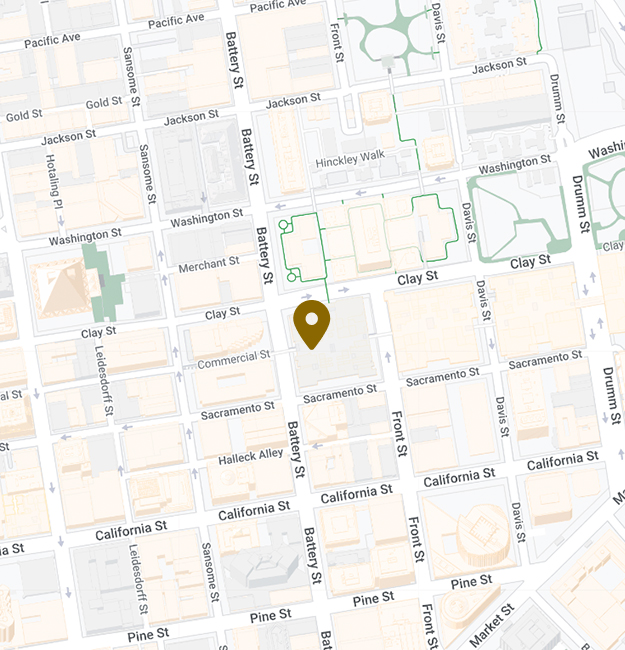
Fill out the contact form or call us at (415) 727-1832 to schedule your free consultation.