





Borrowed Car Accident in California Insurance Rules


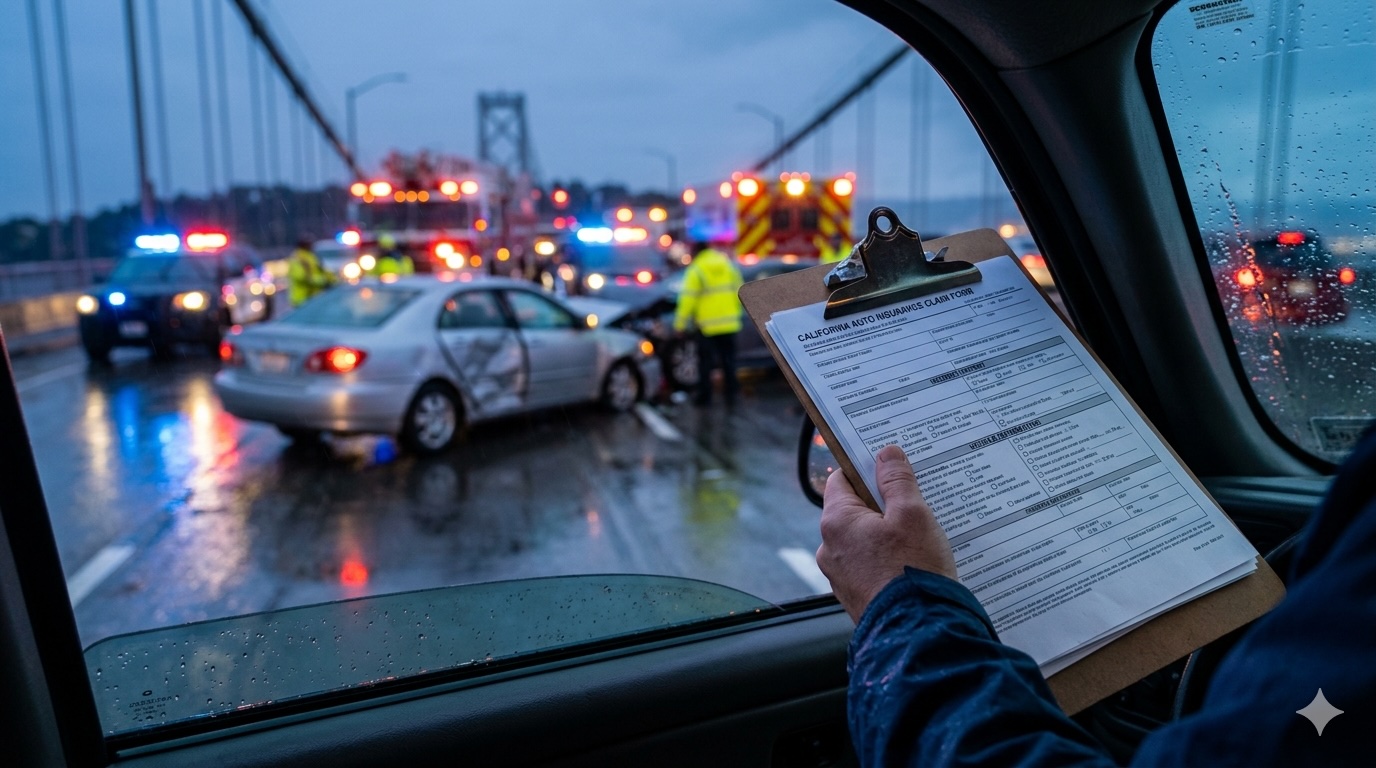
Imagine lending your car to a friend for an errand in San Rafael—or borrowing a relative’s vehicle for a drive on Highway 101. If an accident occurs, determining which insurance policy applies can quickly become confusing.
Many people assume that auto insurance always follows the driver. In California, however, the policy covering the vehicle is generally the first source of liability coverage when someone drives the car with the owner’s permission. The driver’s policy may provide additional coverage, but the outcome depends on the accident, the policies involved, and whether any exclusions apply.
This article explains the basic insurance and liability issues that may arise after an accident involving a borrowed vehicle.
Does Insurance Follow the Car or the Driver in California?
As a general rule, liability insurance follows the vehicle. When a car owner gives another person permission to drive, the owner’s policy ordinarily provides primary liability coverage for an accident caused by that driver.
The driver’s personal auto policy may provide excess or secondary coverage after the vehicle owner’s available policy limits have been exhausted. California Insurance Code section 11580.9 establishes priority rules for certain situations involving multiple automobile insurance policies.
This is only a general rule. The language of each policy, the relationship between the owner and driver, the purpose for which the vehicle was being used, and any exclusions may change the coverage analysis.
What Is a Permissive Driver?
A permissive driver is someone who has the vehicle owner’s express or implied permission to use the car.
Express permission may be as simple as the owner handing a friend the keys and authorizing a trip. Implied permission may arise from the parties’ conduct, such as when a family member regularly uses the vehicle with the owner’s knowledge.
California automobile liability policies generally must provide coverage for people who use an insured vehicle with the named insured’s permission. However, the coverage available to a permissive driver may be more limited than the coverage available to the policyholder. The specific policy must be reviewed before coverage can be determined.
Permission may also be disputed. An insurer might question whether the driver exceeded the scope of the owner’s permission—for example, by taking the vehicle for an unauthorized purpose or allowing someone else to drive it.
Which Policy Pays When the Borrowed-Car Driver Causes an Accident?
When a permissive driver causes a collision, the vehicle owner’s liability policy is generally primary. That coverage may pay valid claims brought by other people for:
- Bodily injuries
- Medical expenses related to those injuries
- Lost income
- Pain and suffering
- Damage to another person’s vehicle or property
The owner’s liability coverage does not ordinarily pay to repair the insured vehicle itself. Damage to the borrowed car may instead fall under the owner’s collision coverage, if that optional coverage was purchased, subject to the policy’s deductible and exclusions.
If the injured parties’ damages exceed the limits available under the owner’s policy, the permissive driver’s personal liability policy may provide excess coverage. Whether it does depends on the terms of that policy.
For example, if a driver borrows a friend’s car and causes a serious collision in San Francisco, the car owner’s liability insurer would generally respond first. If the damages exceed that policy’s available limits, the driver’s insurer may then be required to evaluate the remaining claim.
What If the Borrowed-Car Driver Was Not at Fault?
If another motorist caused the accident, that motorist’s liability insurance is generally responsible for the resulting injuries and property damage.
The injured driver may have a California car accident claim for medical expenses, lost income, pain and suffering, property damage, and other losses. The fact that the injured person was driving a borrowed vehicle does not eliminate the right to pursue compensation from the responsible party.
Additional questions may arise if the at-fault driver is uninsured, has inadequate coverage, or leaves the scene. Uninsured or underinsured motorist coverage associated with the borrowed vehicle may apply first in some circumstances, while the injured driver’s own policy may provide additional protection. These claims require careful review of both policies and California’s insurance-priority rules.
What If the Vehicle Owner Has No Insurance?
If the borrowed vehicle is uninsured, the driver’s personal policy may provide coverage, depending on its terms. A driver’s policy may treat the borrowed vehicle as a temporary substitute or non-owned automobile.
Coverage is not automatic. Policies may exclude vehicles that are furnished or regularly available for the driver’s use. A person who occasionally borrows a friend’s car may therefore be treated differently from someone who uses a household member’s uninsured vehicle every day.
An uninsured vehicle can also expose both the owner and driver to substantial personal liability.
When Might an Insurance Company Deny Coverage?
Insurance companies frequently investigate whether a borrowed-car accident falls within the policy’s coverage. Common disputes include:
The Driver Did Not Have Permission
An insurer may deny coverage if the vehicle was stolen or used without the owner’s express or implied permission. Disputes can arise when the owner and driver provide different accounts of what was authorized.
The Driver Was Specifically Excluded
A policy may identify a person who is expressly excluded from coverage. If that person operates the vehicle and causes an accident, the insurer may deny liability coverage, subject to California law and the precise exclusion language.
The Driver Exceeded the Scope of Permission
An owner may permit someone to use the car for a limited purpose. An insurer might dispute coverage if the driver used it for a substantially different purpose, traveled beyond an agreed area, or allowed another person to drive.
The Vehicle Was Used for Business or Rideshare Work
A personal auto policy may exclude accidents occurring while the vehicle is being used for deliveries, rideshare services, or other commercial activities. A separate commercial, delivery-platform, or rideshare policy may apply instead.
The Vehicle Was Regularly Available to the Driver
Many policies distinguish between occasional use of a borrowed car and regular access to another vehicle. A “regular use” or “furnished for use” exclusion may affect coverage when the driver frequently operates a vehicle that is not listed on the driver’s policy.
An insurer’s denial is not necessarily correct merely because it cites an exclusion. The policy language, facts, and applicable California law should all be examined.
Can the Vehicle Owner Be Held Liable?
California law may impose liability on a vehicle owner when someone uses the vehicle with the owner’s permission and negligently causes an accident. California Vehicle Code sections 17150 and 17151 address this form of owner liability and place statutory limits on liability based solely on vehicle ownership.
Those limits may not protect an owner from additional liability arising from the owner’s own negligence. For example, separate liability may exist if an owner knowingly entrusted the vehicle to an unlicensed, intoxicated, inexperienced, or otherwise unsafe driver. This is commonly called negligent entrustment.
An owner might also face separate responsibility for failing to maintain the vehicle if defective brakes, worn tires, broken lights, or another known mechanical problem contributed to the collision.
What Should You Do After an Accident in a Borrowed Car?
Whether you own the vehicle or borrowed it, take the following steps after a collision:
- Call 911 when necessary. Request emergency assistance for injuries and report the collision to law enforcement when required.
- Exchange information. Collect the names, contact details, driver’s-license information, license-plate numbers, and insurance information of everyone involved.
- Document the scene. Photograph the vehicles, damage, roadway, traffic controls, skid marks, and visible injuries.
- Identify the vehicle owner. If a driver does not own the vehicle, obtain the owner’s name, contact information, and insurance details.
- Seek appropriate medical care. Some injuries may not become obvious until hours or days after the crash.
- Notify the relevant insurers. Report the accident promptly, but avoid guessing about fault or the extent of your injuries.
- Preserve relevant evidence. Keep medical records, repair estimates, receipts, photographs, witness information, and communications with insurers.
- Review coverage before accepting a settlement. An early payment may not account for ongoing treatment, lost income, or additional available insurance.
For more guidance, visit Anderson Franco Law’s frequently asked questions.
Compensation After a Borrowed-Car Accident
A person injured because of another party’s negligence may be entitled to compensation through a personal injury claim. Recoverable damages may include:
- Past and future medical expenses
- Lost wages and reduced earning capacity
- Vehicle and personal-property damage
- Other accident-related expenses
- Physical pain and suffering
- Emotional distress
- Disability, disfigurement, or loss of enjoyment of life
The amount recoverable depends on the evidence, the seriousness of the injuries, the available insurance, and the degree of fault assigned to each party.
How Anderson Franco Law Handles Insurance-Coverage Disputes
Borrowed-car accidents can involve several policies, disputed permission, excluded drivers, uninsured motorists, or disagreements about which insurer must pay first. Identifying every available source of coverage may be essential, particularly when the accident causes serious injuries.
Before representing injured people, Anderson Franco defended insurance companies in negligence cases. That experience helps Anderson Franco Law evaluate how insurers analyze liability, policy language, medical treatment, damages, and claim value.
The firm provides direct attorney involvement and represents injured clients throughout San Francisco, Marin County, and the greater Bay Area.
Speak With a California Car Accident Lawyer
If you were injured while driving a borrowed vehicle—or if another person caused an accident while driving your car—an attorney can review the policies, investigate permission and liability, and determine which insurance companies may be responsible.
Contact Anderson Franco Law to request a free consultation about a borrowed-car accident in California.
Get in Touch
Fill out the contact form or call us at (415) 727-1832 to schedule your free consultation.


Contact Us Now For a Free Case Evaluation
Our Locations

Suite 400
San Francisco, CA 94105

San Rafael, CA 94903

Suite 118
Greenbrae, CA 94904