





Can a Workers’ Compensation Case Also Include a Personal Injury Claim in California?


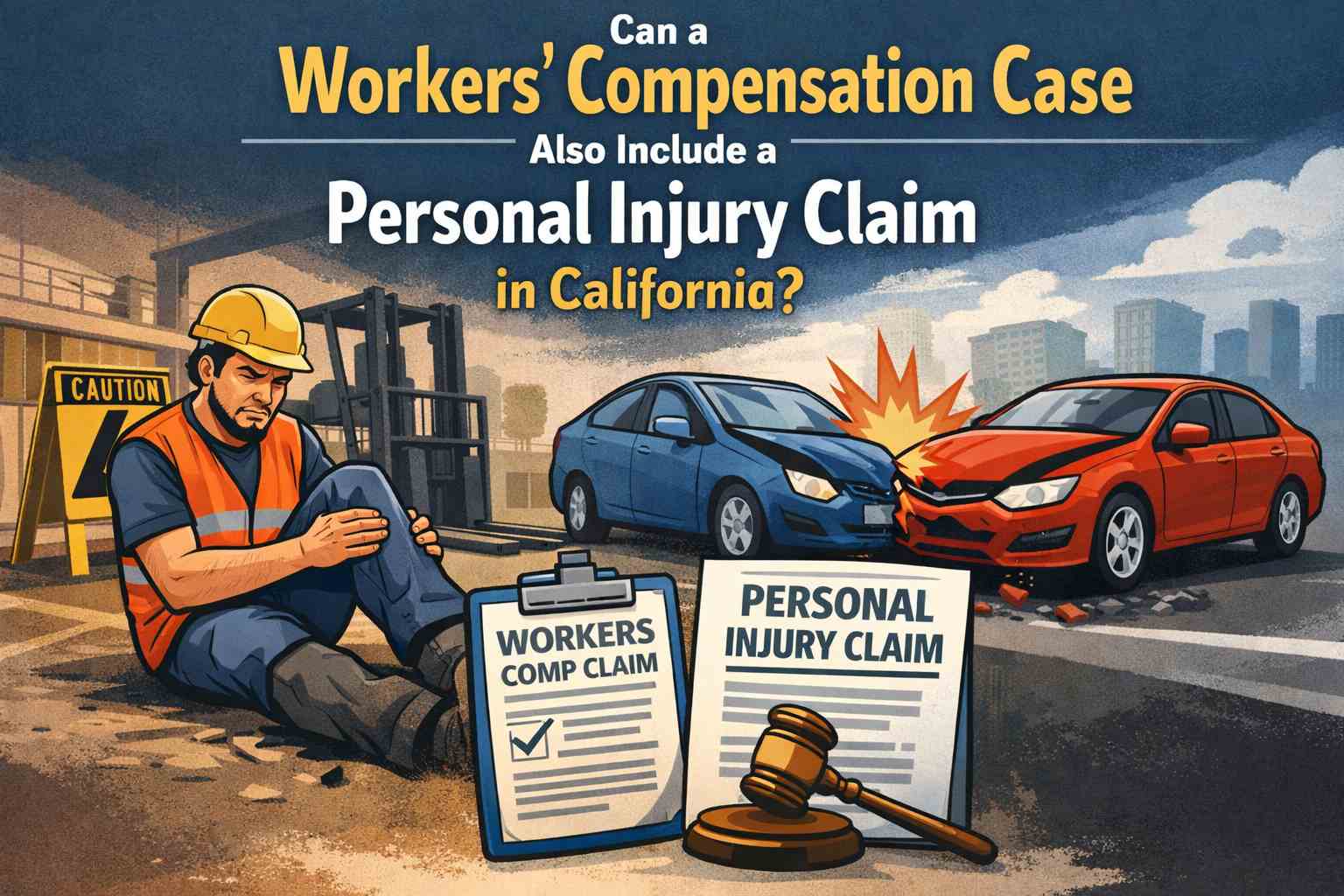
Can a Workers’ Compensation Case Also Include a Personal Injury Claim in California?
Yes. In some California work injury cases, an injured worker may have both a workers’ compensation claim and a separate personal injury claim. Workers’ compensation is usually the employee’s remedy against the employer for an injury that arises out of and in the course of employment. But California law also says that an employee’s workers’ compensation claim does not affect the worker’s right to pursue damages against a person or company other than the employer.
That distinction matters. Many injured workers are told they have a workers’ compensation claim, and they assume that is the end of the analysis. Sometimes it is. But sometimes another driver, property owner, subcontractor, equipment company, vendor, or outside business played a role in the injury. When that happens, the worker may have a third-party case in addition to workers’ compensation.
At Anderson Franco Law, one of the first questions we look at in a workplace injury case is whether workers’ compensation is the only claim, or whether there may also be a personal injury case against a third party.
What is the difference between workers’ compensation and a personal injury claim?
Workers’ compensation and personal injury claims are not the same thing.
Workers’ compensation is a statutory system that generally applies without regard to negligence if the injury arose out of and in the course of employment and the conditions of compensation are met. In plain language, that means the worker usually does not have to prove the employer was negligent in the ordinary case.
A personal injury claim is different. A personal injury claim usually requires proof that another person or company acted negligently, or otherwise caused the harm, and that the negligence caused damage. A personal injury case can also allow recovery for categories of loss that workers’ compensation does not fully cover, including pain and suffering in an appropriate third-party case.
Can you file both claims after the same work injury?
Yes, you can file both workers compensation and personal injury if a third party caused the injury..
California Labor Code section 3852 states that an employee’s compensation claim does not affect the employee’s right of action for damages against a person other than the employer. That is the key rule. If someone other than the employer caused or contributed to the injury, both claims may exist at the same time.
That does not mean every workplace injury creates two cases. It means every serious workplace injury should be evaluated carefully enough to determine whether a third party is involved.
What is a third-party workplace injury claim?
A third-party workplace injury claim is a personal injury claim arising from a work-related accident, but brought against someone other than the employer.
Common examples include these situations:
- A delivery driver is hit by a negligent motorist while working.
- A construction worker is injured by another company’s subcontractor.
- An employee falls because a property owner failed to maintain safe premises.
- A worker is harmed by defective machinery, tools, or safety equipment.
- An outside vendor or maintenance company creates a dangerous condition that injures the worker.
- In those situations, the injured worker may still have a workers’ compensation case. But the worker may also have a personal injury claim against the outside person or business that caused the injury.
Common examples where both claims may exist
One common example is a work-related vehicle collision. If a worker is driving for work and another driver causes a crash, the worker may have a workers’ compensation claim because the injury happened in the course of employment. The worker may also have a personal injury claim against the at-fault driver.
Another common example is a construction-site injury. Many construction sites involve multiple trades and companies. If a worker is injured because another contractor created a dangerous condition, or because defective equipment failed, a third-party claim may exist in addition to workers’ compensation.
A third example is an injury caused by unsafe property. If a worker is sent to another location and is injured because the property owner failed to maintain safe conditions, the worker may have a claim beyond workers’ compensation.
What does workers’ compensation usually cover?
Workers’ compensation may provide medical treatment and disability benefits when the claim is accepted. It is designed to address job-related injuries and occupational harm through that statutory system rather than a standard negligence lawsuit against the employer. California law describes workers’ compensation liability as existing without regard to negligence when the statutory conditions are met.
But workers’ compensation is limited. It is not the same as a full personal injury recovery. That is why identifying a possible third-party case can be so important in a serious workplace injury.
What can a personal injury claim add?
A third-party personal injury claim may allow an injured worker to pursue damages that are not available in the same way through workers’ compensation alone. Depending on the facts, that may include pain and suffering, broader wage-loss damages, and other civil damages tied to the injury.
That can change the overall value of the case in a major way. It can also change how evidence is gathered, how liability is analyzed, and how settlement strategy should be handled.
What happens if both claims exist?
If both claims exist, they have to be handled carefully together.
California law also gives the employer or workers’ compensation carrier reimbursement and subrogation rights in many third-party cases. Labor Code section 3860 addresses how settlement funds may be subject to the employer’s reimbursement claim, and it also addresses litigation expenses and attorney’s fees in that context.
That is one reason these cases should not be approached casually. An injured worker may have a strong third-party case, but the workers’ compensation side, reimbursement issues, and settlement structure all matter.
What should an injured worker do if they think someone other than the employer caused the injury?
The worker should not assume workers’ compensation is the only path.
Important steps often include identifying every company and person involved, preserving evidence, getting photographs and incident information, documenting witnesses, and reviewing whether an outside driver, contractor, owner, or manufacturer may have contributed to the injury.
Timing matters. So does the evidence. In many serious cases, by the time someone starts asking whether there was a third-party case, key proof may already be harder to obtain.
How Anderson Franco Law helps evaluate these cases
At Anderson Franco Law, we look at work injury cases with a broader lens. The question is not just whether a workers’ compensation claim exists. The question is whether that is the only claim.
If a worker was hurt in a vehicle collision, on unsafe property, because of defective equipment, or because another company created a dangerous condition, there may be more to investigate. A careful early review can help determine whether there is a viable third-party injury claim in addition to workers’ compensation.
Need help evaluating a California work injury case?
If you were injured at work and think someone other than your employer may have caused or contributed to the injury, Anderson Franco Law can evaluate whether a third-party personal injury claim may exist alongside workers’ compensation.
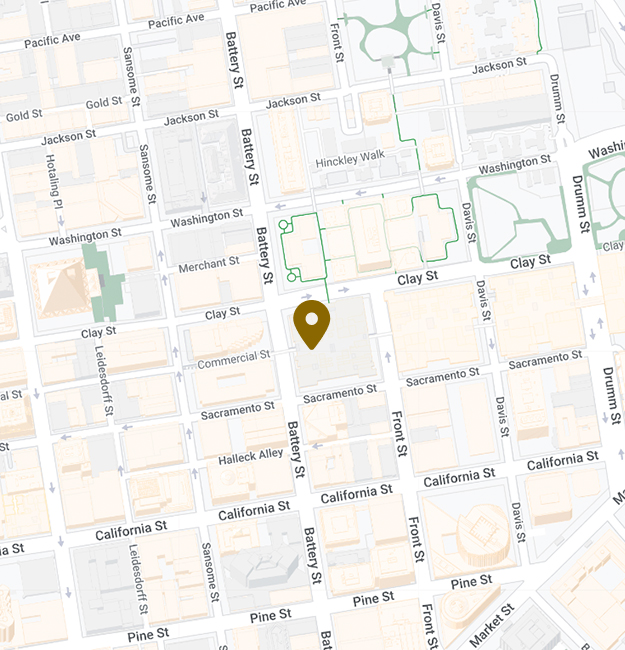
Our Location
Get in Touch
Fill out the contact form or call us at (415) 727-1832 to schedule your free consultation.


