





Can Airbag Deployment Cause Hearing Loss?


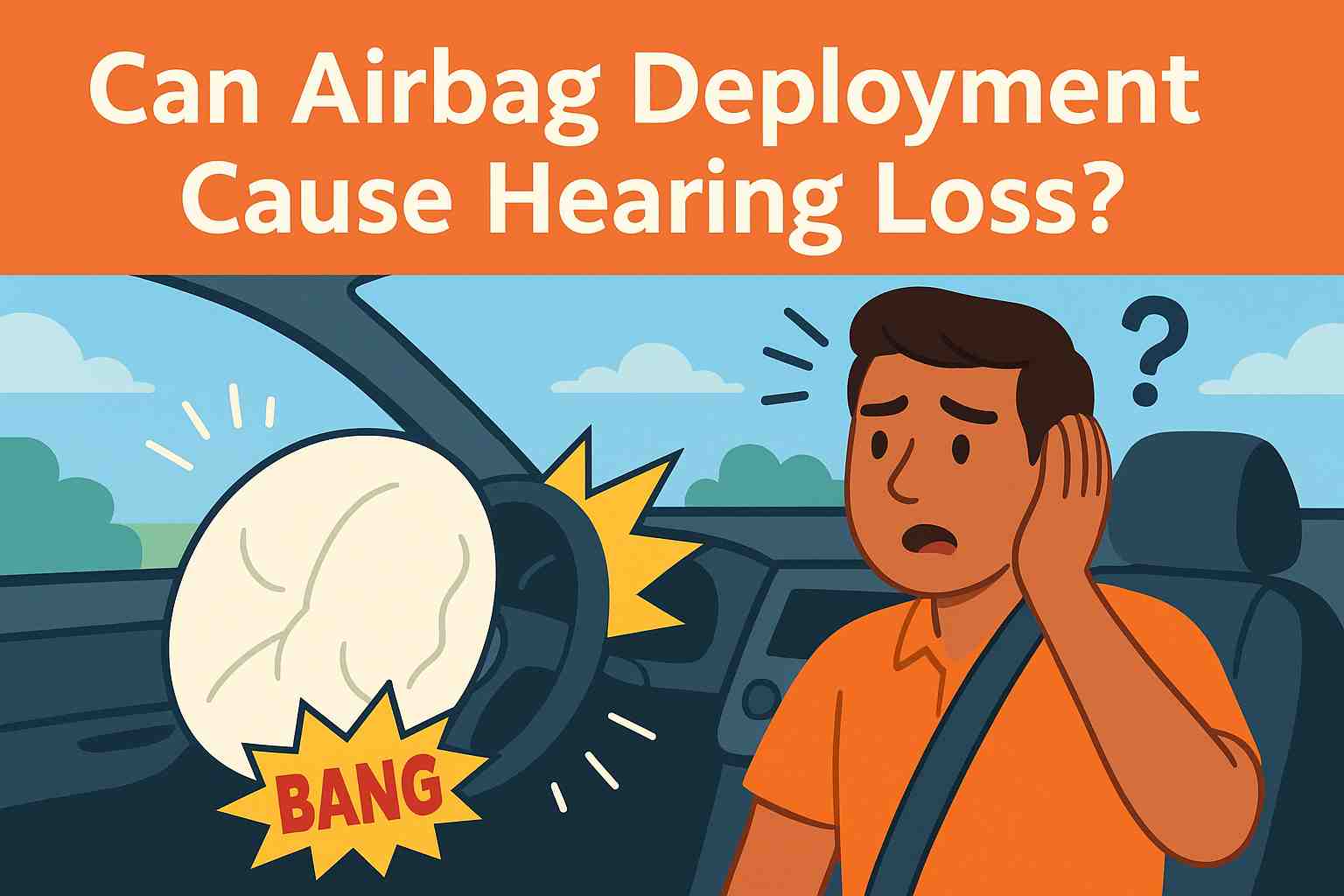
Airbags are one of the most important safety features in cars today. They are designed to save lives by deploying instantly during a crash, protecting you from striking hard surfaces like the steering wheel or dashboard. While there is no doubt that airbags prevent many serious injuries, they can also lead to unexpected harm—including damage to your hearing.
One question that often comes up after an accident is: Can airbag deployment cause hearing loss? The answer is yes. In some cases, the force and noise of an airbag deploying can damage hearing, sometimes permanently.
At Anderson Franco Law, we know how confusing and overwhelming things can feel after an accident. It’s even more stressful when the injury isn’t visible or obvious right away. Hearing loss can be life-changing, and you deserve to understand your rights if this happens to you.
How Airbags Work
To see how they can harm your hearing, it helps to know how airbags work. When your car detects a collision, sensors instantly trigger a chemical reaction that fills the airbag with gas in milliseconds.
This fast inflation is crucial for saving lives. It creates a cushion between you and hard surfaces, reducing the risk of devastating injuries like brain trauma, spinal damage, or broken bones. But this lifesaving deployment is also incredibly forceful and loud.
The Loudness of Airbag Deployment
Airbag deployment produces a sudden, explosive noise. People often compare it to a gunshot or a small explosion inside the car. This sound can exceed 160 decibels—far above levels known to cause immediate hearing damage.
For context, sounds over 120 decibels can injure your hearing, and those over 140 decibels can cause permanent loss with even brief exposure. In the closed space of a car, the noise is even more intense because there is nowhere for it to escape.
Types of Hearing Damage from Airbags
Hearing damage from airbag deployment can appear in different ways. Some people experience temporary hearing loss, where sounds are muffled or quieter than usual. This might improve over hours or days.
Others develop tinnitus, a persistent ringing, buzzing, or hissing sound in the ears that can be permanent. In more severe cases, the blast damages the inner ear so badly that it leads to permanent hearing loss. Some people even develop hyperacusis, which makes normal sounds feel painfully loud.
What Increases the Risk of Hearing Loss?
Not every crash with airbag deployment will result in hearing loss. But certain factors make it more likely.
Being closer to the airbag when it deploys means the sound hits you with greater intensity. Smaller vehicle cabins can trap sound more, making it even louder. Deploying multiple airbags at once—like front and side airbags—can also increase the total noise level.
People with existing hearing problems may also be at higher risk of further damage.
What to Do If You Notice Hearing Problems
If you’ve been in a crash and your hearing seems off, don’t ignore it. Seek medical help as soon as you can. Tell your doctor exactly what you’re experiencing. They might refer you to an audiologist for specialized testing.
It’s also a good idea to write down when you first noticed your symptoms, how they change over time, and how they affect your daily life. Are you having trouble hearing family members talk? Is the ringing keeping you awake? These details matter for both your doctor and any potential legal claim.
Some hearing damage may improve, but unfortunately, many people face permanent changes. Hearing loss can make work harder, strain relationships, and reduce your enjoyment of everyday activities.
Can You Seek Compensation for Hearing Loss?
Airbags are supposed to be loud—they deploy explosively for a reason. That doesn’t automatically mean they’re defective if they cause hearing loss. However, you might have a legal claim in certain situations.
For example, if another driver’s negligence caused the crash that led to your injuries, you may be entitled to compensation for medical bills, lost wages, pain and suffering, and long-term care.
In some cases, you might have a claim against the manufacturer if the airbag system was defective or didn’t include adequate warnings about known risks.
How Anderson Franco Law Can Help
At Anderson Franco Law, we know hearing loss isn’t just a medical issue—it can change your entire life. If you’re struggling with hearing damage after a crash, you don’t have to face it alone.
We’re here to listen carefully to your story and help you understand your legal options. We’ll investigate what happened, gather the evidence you need, and work with medical experts to document your injuries.
Our team knows how to negotiate with insurance companies to fight for a fair settlement. And if necessary, we’re ready to take your case to court.
We also work on a contingency fee basis. That means you don’t pay anything upfront. We only get paid if we recover money for you.
Airbags save lives, but their explosive deployment can cause unexpected injuries like hearing loss. If you notice changes in your hearing after a crash, see a doctor as soon as possible. And if someone else’s negligence caused the accident, consider talking to a lawyer about your rights.
At Anderson Franco Law, we’re committed to helping injured people in California and the Bay Area get the fair treatment and compensation they need to heal and move forward. Contact us today for a free consultation. Let’s talk about what happened and see how we can help you take the next step toward recovery.

Our Location
Get in Touch
Fill out the contact form or call us at (415) 727-1832 to schedule your free consultation.


