






Commercial Truck Accidents in California: What You Need to Know


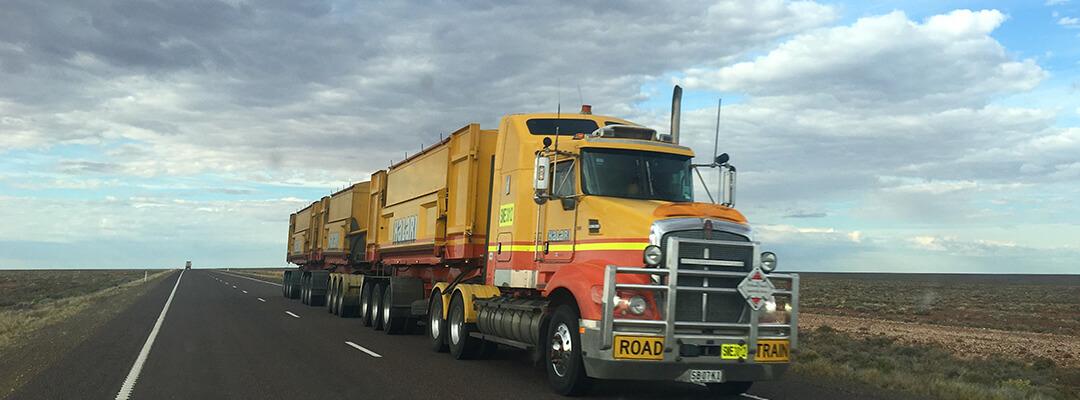
Commercial truck accidents can have devastating consequences. Because tractor-trailers and other large commercial vehicles are much heavier than passenger cars, a collision may cause catastrophic injuries, extensive property damage, or death.
These accidents are a serious concern throughout California, particularly in heavily traveled areas such as San Francisco and the greater Bay Area. Understanding why truck crashes occur, who may be responsible, and what compensation may be available can help injured people protect their rights.
Commercial Truck Accidents in California
According to the Federal Motor Carrier Safety Administration, 352 fatal crashes involving large trucks occurred in California in 2023. Those collisions resulted in 392 deaths, although not all fatalities were truck occupants. Only Texas recorded more fatal large-truck crashes that year. Federal Motor Carrier Safety Administration
The Bay Area presents particular risks because commercial trucks regularly travel through congested highways, urban streets, bridges, industrial areas, and major shipping corridors. Heavy traffic, frequent lane changes, steep grades, limited visibility, and tight delivery schedules may all increase the likelihood of a serious collision.
Common Causes of Commercial Truck Accidents
Truck crashes are complex events that may involve several contributing factors. A careful investigation is usually necessary before anyone can determine what happened and who was responsible.
Driver Fatigue
Commercial drivers often spend long hours on the road. Federal hours-of-service rules limit how long many drivers may operate without rest, but violations can occur. Even when a driver technically complies with the rules, inadequate sleep or demanding schedules may impair alertness, judgment, and reaction time.
Driver logs, electronic logging-device data, dispatch communications, fuel receipts, and delivery records may help determine whether fatigue contributed to a crash.
Speeding or Driving Too Fast for Conditions
Large trucks require substantially more time and distance to stop than ordinary passenger vehicles. Excessive speed can make it difficult for a driver to respond to slowing traffic, sharp curves, road hazards, or sudden weather changes.
A truck driver may also be negligent by traveling too fast for existing conditions even when driving below the posted speed limit. Speed can increase the risk of rear-end collisions, rollovers, jackknife accidents, and loss of control.
Distracted Driving
Phones, navigation systems, dispatch equipment, food, paperwork, and activity outside the vehicle can divert a driver’s attention from the road. Because a commercial truck can travel a significant distance in only a few seconds, even a brief distraction may have severe consequences.
Alcohol, Drugs, and Medication
Commercial drivers are subject to strict drug and alcohol regulations. Impairment may nevertheless result from alcohol, illegal drugs, prescription medication, over-the-counter products, or a combination of substances.
The presence of a substance does not automatically prove that it caused a collision. Investigators must consider test results, medical records, witness statements, and the driver’s conduct before and during the crash.
Inadequate Training or Supervision
Operating a large commercial truck requires specialized knowledge and skill. A trucking company may share responsibility for a crash if it hired an unqualified driver, failed to provide appropriate training, ignored a history of unsafe driving, or inadequately supervised the driver.
Poor Inspection and Maintenance
Commercial vehicles require regular inspections and maintenance. Defective brakes, worn tires, broken lights, steering problems, and other mechanical failures can cause or worsen a collision.
Potentially important evidence may include inspection reports, repair invoices, maintenance schedules, driver inspection records, and data from the truck’s electronic systems. Depending on the circumstances, responsibility may rest with the trucking company, vehicle owner, maintenance provider, parts manufacturer, or another business.
Improperly Loaded or Secured Cargo
Overloaded, unbalanced, or unsecured cargo can shift during transit, affect the driver’s ability to control the truck, or fall into the roadway. Improper loading may contribute to a rollover, jackknife accident, or cargo-spill collision.
The trucking company, shipper, loading contractor, or another party may be responsible if its conduct contributed to the unsafe load.
Blind Spots and Unsafe Lane Changes
Large trucks have substantial blind spots in front, behind, and along both sides of the vehicle. These areas are sometimes called “No Zones.” Truck drivers must account for limited visibility and confirm that a lane is clear before turning or changing lanes.
A serious sideswipe or underride collision may occur when a driver fails to monitor surrounding traffic adequately.
Road and Weather Conditions
Rain, fog, standing water, construction zones, damaged pavement, poor lighting, and inadequate signage may increase the risk of a truck crash. Drivers and trucking companies are expected to adjust their conduct to the conditions.
In some cases, a public entity or contractor responsible for designing or maintaining a roadway may also bear responsibility. Claims involving government agencies are subject to special procedures and potentially short deadlines.
What Is a Jackknife Accident?
A jackknife accident occurs when a truck’s trailer swings outward at an angle to the cab. It may happen after abrupt braking, loss of traction, excessive speed, equipment failure, or cargo movement.
Because the trailer can sweep across several traffic lanes, a jackknife accident may involve multiple vehicles and cause widespread damage.
Who May Be Liable for a Truck Accident?
More than one person or company may be legally responsible for a commercial truck collision. Potentially liable parties include:
- The truck driver
- The driver’s employer
- The trucking or motor-carrier company
- The truck or trailer owner
- A cargo shipper or loading contractor
- A maintenance or repair provider
- A vehicle or parts manufacturer
- Another motorist
- A roadway contractor or government agency
Liability cannot be determined solely from the police report or the trucking company’s account of the collision. Attorneys may also examine photographs, video recordings, witness statements, electronic logging data, maintenance records, cargo documents, driver qualification files, and information stored by the truck’s electronic control systems.
Because trucking companies may retain some records for only a limited period, preserving evidence promptly can be important.
Compensation Available After a California Truck Accident
A person injured in a truck accident may be entitled to recover compensation for losses caused by another party’s negligence. Depending on the facts, recoverable damages may include:
- Emergency treatment, hospitalization, surgery, rehabilitation, and other medical expenses
- The reasonable cost of future medical care
- Lost income
- Reduced future earning capacity
- Vehicle repairs or replacement
- Other accident-related expenses
- Physical pain and suffering
- Emotional distress
- Disability, disfigurement, or loss of enjoyment of life
If a collision results in death, eligible family members may be able to pursue a wrongful-death claim. In cases involving particularly wrongful conduct, punitive damages may sometimes be available, although they are not awarded in ordinary negligence cases.
The value of a claim depends on the available evidence, the seriousness and duration of the injuries, the effect on the injured person’s life and employment, the available insurance coverage, and the degree of fault assigned to each party.
What to Do After a Commercial Truck Accident
After receiving necessary medical attention, an injured person should consider taking the following steps:
- Report the collision and obtain the investigating agency’s report.
- Photograph the vehicles, roadway, visible injuries, skid marks, cargo, and surrounding conditions when it is safe to do so.
- Collect contact information from witnesses.
- Preserve medical records, bills, wage-loss documents, photographs, and damaged personal property.
- Avoid signing releases or providing broad authorizations without understanding their effect.
- Be cautious when speaking with insurance representatives or posting about the collision online.
- Consult an attorney familiar with commercial trucking cases before important evidence is lost.
Speak With a California Truck Accident Lawyer
Commercial truck accident claims frequently involve multiple companies, extensive records, federal safety regulations, and insurers that begin investigating immediately. Prompt legal assistance can help preserve evidence, identify every potentially responsible party, and determine the full extent of the injured person’s losses.
If you were injured in a commercial truck accident in San Francisco or elsewhere in the Bay Area, contact Anderson Franco Law to discuss your circumstances and legal options.
Get in Touch
Fill out the contact form or call us at (415) 727-1832 to schedule your free consultation.


Contact Us Now For a Free Case Evaluation
Our Locations

Suite 400
San Francisco, CA 94105

San Rafael, CA 94903

Suite 118
Greenbrae, CA 94904