





Common Workers’ Comp Questions in California



If you’ve been hurt at work in California, you probably have a lot of questions about workers’ compensation. At Anderson Franco Law, we know how confusing the process can seem. That’s why we’ve put together this guide answering 10 common questions people have about workers’ comp in California.
We want to help you understand your rights, what to expect, and how to protect yourself after a workplace injury.
Workers’ compensation is a type of insurance that employers are required to carry in California. It provides benefits to employees who get injured or sick because of their work. This system is “no-fault,” meaning you don’t have to prove your employer did something wrong to receive benefits. It’s meant to cover medical costs, lost wages, and other expenses related to your injury.
If you get hurt at work, you should tell your employer as soon as possible. California law requires you to notify your employer within 30 days of the injury. The sooner you report it, the better—it helps avoid disputes and makes sure you can start receiving benefits quickly. After reporting, your employer should give you a workers’ comp claim form to fill out.
Workers’ compensation in California can pay for:
All reasonable and necessary medical treatment related to your injury.
Temporary disability benefits if you can’t work while recovering.
Permanent disability benefits if you have lasting impairment.
Supplemental job displacement benefits (a voucher for retraining) if you can’t return to your old job.
Death benefits to your dependents if you die from a work injury.
In many cases, yes. After you file a claim, your employer’s insurance company will have a network of approved doctors. You’ll usually need to see one of them unless you predesignated your own doctor before getting hurt. In emergencies, you can get treatment anywhere right away, but follow-up care will usually go through the approved network.
Once you report your injury and file a claim, the insurance company has 14 days to send you a letter saying if your claim is accepted, denied, or being investigated. If your claim is accepted, payments for temporary disability benefits generally start within a couple of weeks after approval. Medical care should start immediately and continue as needed.
No. It’s illegal for an employer in California to retaliate against you for filing a workers’ compensation claim. That includes firing you, demoting you, cutting your hours, or harassing you. If you believe your employer punished you for filing, you may have a separate legal claim for retaliation.
If your workers’ comp claim is denied, you don’t have to accept it. You have the right to challenge the denial by filing an Application for Adjudication of Claim with the California Workers’ Compensation Appeals Board. Often, having a lawyer helps at this stage to gather medical evidence, prepare your case, and negotiate with the insurance company.
You’re not required to have a lawyer, but it can be very helpful. The workers’ comp system has strict rules and deadlines. Insurance companies may try to pay less than you deserve or deny valid claims. A lawyer can protect your rights, make sure you get the full benefits you’re entitled to, and handle the paperwork and negotiations so you can focus on healing.
At Anderson Franco Law, we help workers across California navigate the workers’ compensation system. We know how stressful it is to be hurt, out of work, and worried about bills. We listen to your story, explain your rights in clear language, and fight to get you the benefits you need. We can help handle insurance disputes and pursue third-party claims if someone other than your employer was also responsible for your injury.
If you’ve been injured on the job in California and have questions about your workers’ comp claim, contact Anderson Franco Law today for a free consultation. We’re here to help you get the care, support, and compensation you need to move forward.
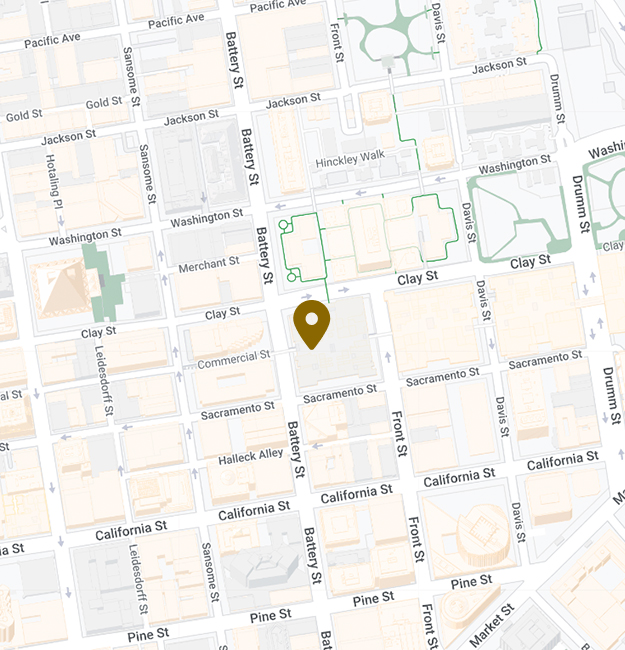
Our Location
Get in Touch
Fill out the contact form or call us at (415) 727-1832 to schedule your free consultation.


