






Rental Car Accident in California: Who Pays?


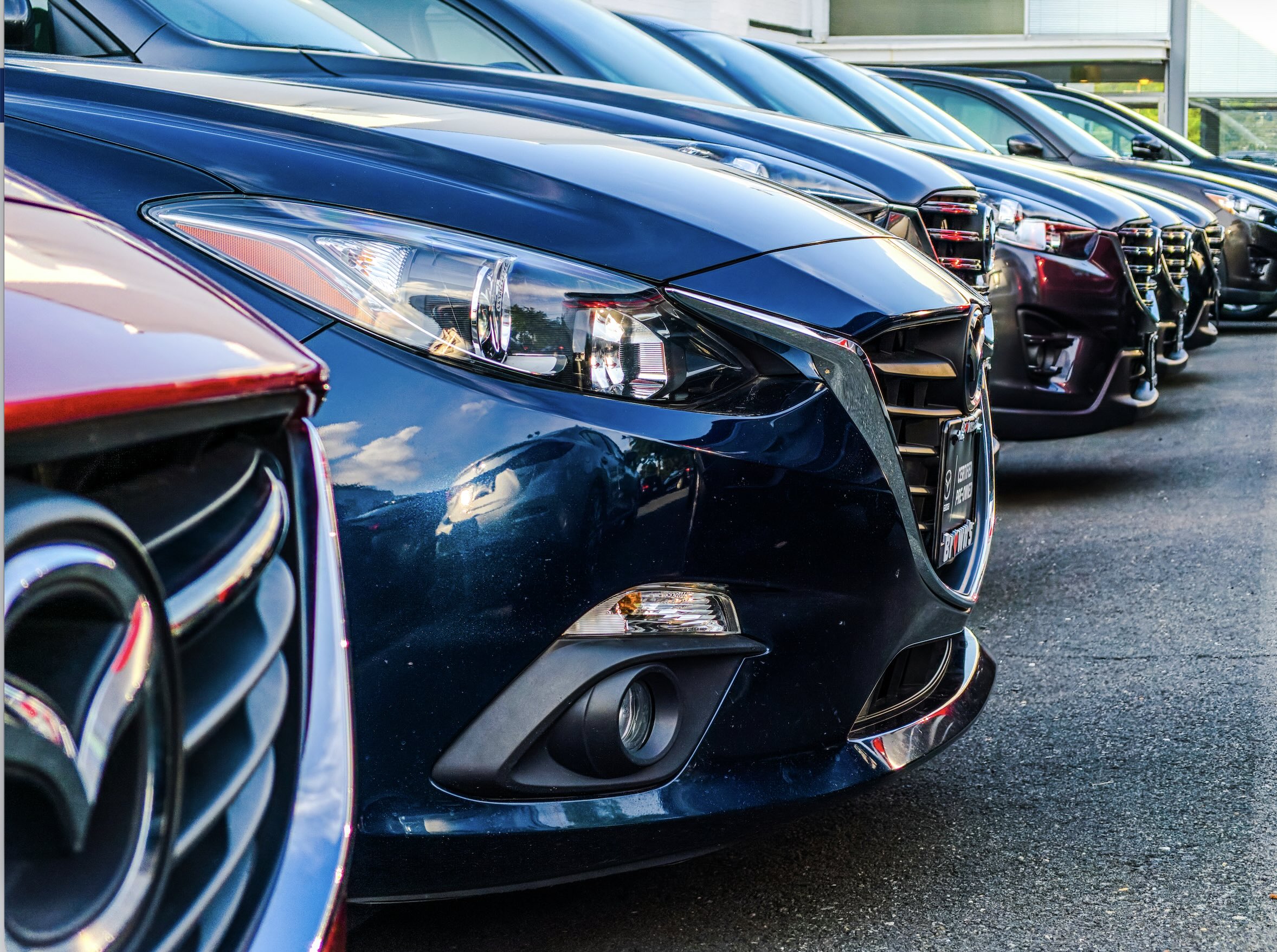
Crashing a vehicle or getting hit by another driver is always stressful. However, when you are driving a vehicle owned by a rental company, the situation becomes instantly more complex. Multiple corporate insurance policies, credit card coverages, and personal auto policies begin to collide. Sorting out the financial aftermath requires a clear understanding of state law.
If you are dealing with a rental car accident in California, determining who pays for your medical bills and property damage depends heavily on who caused the crash and what specific coverages were active at the time of the impact.
California Is an At-Fault State
California operates under a traditional tort, or “at-fault,” insurance system. This means the driver who legally caused the traffic collision must pay for the resulting harm. According to California Vehicle Code Section 17150, vehicle owners are generally liable for injuries caused by someone operating their car with permission. However, federal law protects rental agencies from vicarious liability under the Graves Amendment, unless the rental company was independently negligent.
Therefore, financial recovery primarily depends on the drivers involved. If another driver ran a red light on Highway 101 or hit you near a Muni stop in San Francisco, their liability insurance should cover your losses. If you caused the crash, your own resources and insurance policies will be triggered to handle the expenses.
The Layers of Insurance Coverage
When a rental car accident in California occurs, several layers of insurance potentially apply to the claim. Sorting out which policy pays first is one of the most contentious parts of a personal injury case.
- Your Personal Auto Insurance: In most cases, your everyday California auto insurance policy follows you, not just your personal vehicle. If you carry collision and liability coverage, it typically extends to a temporary rental vehicle. You can explore how these policies operate on our Car Accidents page.
- Rental Company Counter Insurance: At the rental counter in San Rafael or at SFO, you were likely offered optional protections. These include a Damage Waiver (CDW/LDW) or Supplemental Liability Insurance (SLI). If you purchased these, they may cover the vehicle damage or boost your third-party liability limits.
- Credit Card Rental Protection: Many premium credit cards provide secondary collision damage coverage if you paid for the rental with that specific card. Note that credit card coverage rarely covers bodily injuries to you or other drivers.
Who Pays for Your Medical Bills and Vehicle Damage?
If you suffer injuries while driving a rental car and another motorist is at fault, you can file a claim against that driver’s insurance policy. Their bodily injury liability coverage should pay for your medical treatment, emergency room visits, and lost wages.
However, if the at-fault driver is uninsured or carries only the bare state minimums, your recovery could be limited. In these tense scenarios, you may need to utilize your own Uninsured/Underinsured Motorist (UM/UIM) coverage. For answers to common questions about coverage shortfalls, visit our FAQs / Resources section.
For vehicle damage, the rental company will want their car repaired immediately. They frequently charge your credit card on file for repairs and “loss of use” fees before the insurance companies finish disputing fault. Having an attorney protect you from these predatory corporate practices is vital.
The Insider Advantage: Overcoming Insurance Delay Tactics
As a former insurance defense attorney, I spent years seeing exactly how massive insurance providers evaluate risk. Insurance adjusters are trained to protect corporate profits. They deliberately exploit the confusion surrounding a rental car accident in California to delay payouts or deny claims entirely.
They may claim your personal policy is primary, while your personal insurer argues the rental company’s policy should pay first. This finger-pointing leaves injured victims stuck with unpaid medical bills and aggressive collection calls.
We know the exact playbooks they use to undervalue your claim. Our boutique firm provides direct, personal access to the primary attorney so you never get passed off to an assistant while fighting these complex corporate structures. If you or a loved one experienced severe harm, please visit our Home Page to see how we fight for the compensation you deserve.
Get in Touch
Fill out the contact form or call us at (415) 727-1832 to schedule your free consultation.


Contact Us Now For a Free Case Evaluation
Our Locations

Suite 400
San Francisco, CA 94105

San Rafael, CA 94903

Suite 118
Greenbrae, CA 94904