







How to Get Store Surveillance Video After a Slip and Fall


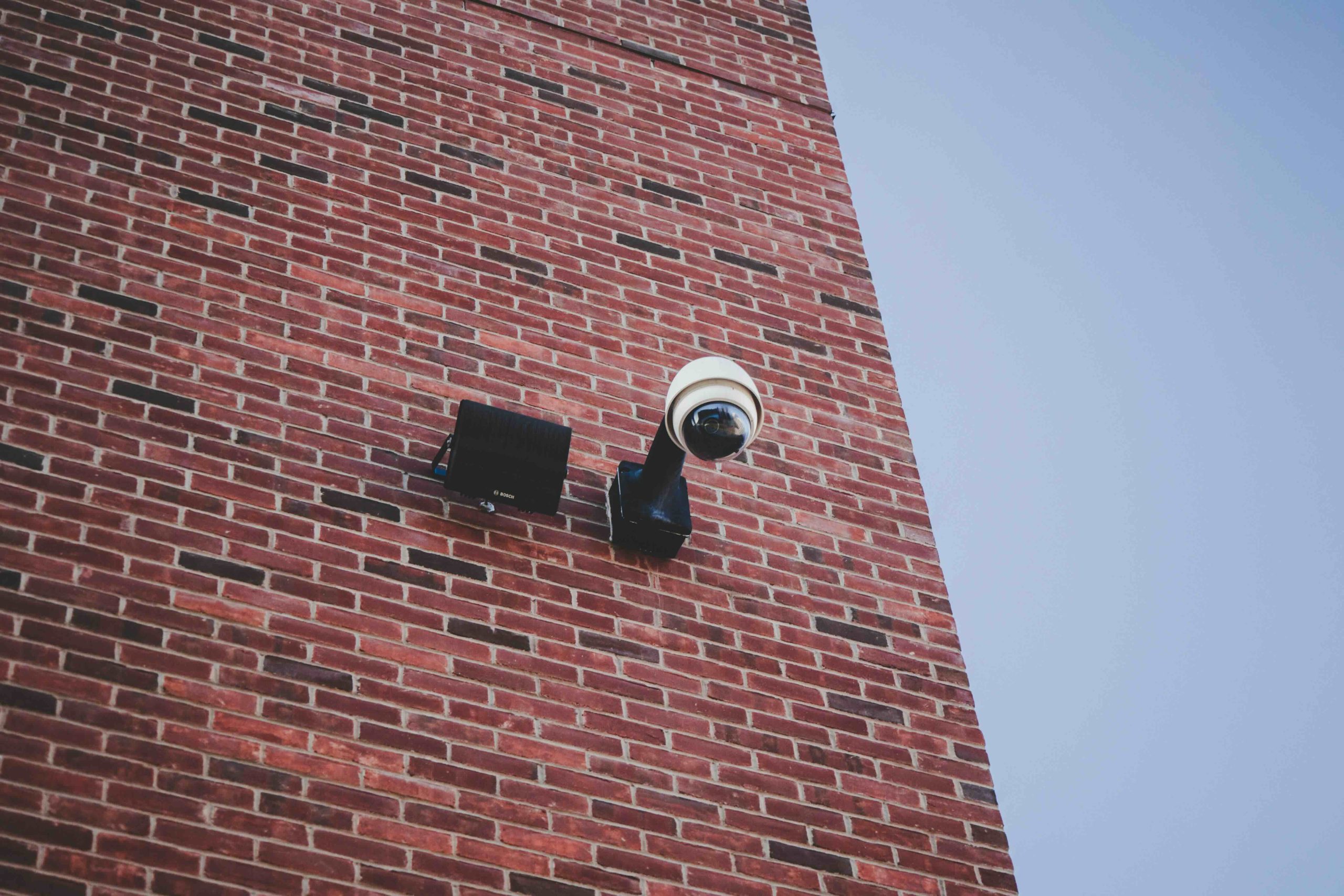
Securing Visual Proof: Your Guide to Store Security Footage After a Bay Area Injury
You are walking through a grocery store in San Francisco or browsing a retail shop in San Rafael when your feet suddenly slide out from under you. A hidden liquid spill or a freshly mopped floor with no warning sign sends you crashing to the ground. In the painful aftermath, you realize that key evidence of the property owner’s negligence is recorded on the overhead cameras. Knowing how to get store surveillance video after a slip and fall can mean the difference between a denied insurance claim and a successful recovery.
Store owners and giant retail corporations rarely hand over security tapes out of the goodness of their hearts. As a boutique firm specializing in premises liability, Anderson Franco Law, APC treats these incidents as intensive evidence cases. Founded by attorney Anderson Franco—a Bay Area native and UC Berkeley law alumnus who spent the first five years of his career defending insurance companies—our firm understands exactly how corporations use delayed timelines to let vital recordings vanish. Here is the direct, professional roadmap to protecting your rights and securing the camera footage your case requires.
Why Store Surveillance Video Is Critical for Your Claim
In California, a business is not automatically liable just because a customer falls on their premises. Under California Civil Code Section 1714, property owners must manage their premises with reasonable care to prevent foreseeable risks of harm. To build a successful injury claim, you generally must prove that the business knew, or reasonably should have known, about the hazardous condition and failed to fix or warn about it.
Corporate defense teams and insurance claims adjusters routinely argue that the hazard appeared moments before your fall, leaving them no time to address it. Security footage serves as an unbiased, silent witness that establishes the actual timeline. It answers critical questions:
- How long did the spill sit on the floor before you slipped?
- Did an employee walk past the hazard and ignore it?
- Did the store fail to place a caution cone after cleaning?
The Danger of Loop Recording and Overwritten Tapes
You must act immediately because digital surveillance systems operate on continuous loop cycles. Most commercial security systems automatically overwrite older data within 14 to 30 days—and some budget systems erase data even faster.
If you do not take immediate, legally binding actions to freeze the footage, the store may claim the video was permanently lost in the ordinary course of business operations. When important evidence disappears, proving notice and liability becomes significantly harder.
Step-by-Step: How to Get Store Surveillance Video After a Slip and Fall
Securing this data requires a formal process. Retail managers will usually tell you that “corporate policy” prohibits sharing video with the public. To bypass this stonewalling, follow these precise legal steps.
1. File an Immediate Incident Report
Report the fall to the highest-ranking manager on duty before leaving the property. Request that they complete a formal incident report and ask for a copy. Make sure the report explicitly notes that overhead security cameras were positioned near the location of your fall.
2. Take Your Own Visual Proof
If you can do so safely, use your smartphone to take immediate photographs and videos of the scene, the hazard, and any visible camera domes on the ceiling. This creates an undeniable record connecting the physical location of your accident to the specific cameras recording at that exact moment.
3. Send a Formal Spoliation Letter
This is the most critical tactical step. A spoliation letter is a formal legal notice sent to the store’s management and corporate headquarters. It officially demands that they preserve all video footage, sweep logs, and electronic data from the day of the incident. Once they receive this letter, destroying or overwriting the video exposes the business to severe legal penalties for “spoliation of evidence.”
4. Subpoena the Video Footage Through Litigation
If the business refuses to cooperate voluntarily after receiving a spoliation letter, your attorney can file a formal personal injury lawsuit. Entering the litigation phase unlocks the power of civil discovery. Your lawyer can then issue a legally binding subpoena duces tecum, forcing the store or parent corporation to surrender the raw video files under penalty of law.
The Advantage of an Inside Perspective
Large corporate retailers utilize extensive risk management teams to insulate themselves from liability. Having a legal advocate who understands their internal playbook is invaluable.
The Insider Advantage: Attorney Anderson Franco previously represented major insurance companies in negligence claims. He knows precisely how claims adjusters evaluate risk, identify gaps in evidence, and exploit delays to diminish your recovery options.
At our boutique firm, you receive direct, personal access to your primary attorney rather than being handed off to an assistant. We move swiftly to draft and deliver airtight spoliation demands to ensure that business surveillance video is preserved before it is permanently erased.
Protecting Your Right to Recovery
If you or a loved one suffered a severe injury on unsafe commercial property, do not wait for the store’s insurance company to dictate the terms of your claim. Navigating deadlines and evidence preservation requires decisive action.
Whether your injury occurred at a neighborhood market in San Francisco or a shopping center along Highway 101 in Marin County, Anderson Franco Law, APC can help you evaluate your options. We handle personal injury matters on a strict contingency fee basis, meaning you pay no upfront legal fees unless we secure a financial recovery for you.
Contact Anderson Franco Law, APC today at (415) 727-1832 for a completely free, confidential case consultation, or visit our FAQs / Resources to learn more about protecting your rights after an accident. This article can also be of help.
Legal Disclaimer
The information provided in this article is for general informational purposes only and does not constitute formal legal advice. Reading this content does not establish an attorney-client relationship. If you require legal assistance regarding a specific personal injury matter, please consult directly with a licensed professional.
Get in Touch
Fill out the contact form or call us at (415) 727-1832 to schedule your free consultation.


Contact Us Now For a Free Case Evaluation
Our Locations

Suite 400
San Francisco, CA 94105

San Rafael, CA 94903

Suite 118
Greenbrae, CA 94904