






Negligent Security Cases in California: When a Business May Be Liable for an Assault


Negligent Security Cases in California: When a Business May Be Liable for an Assault
When you step into a shopping center in San Rafael, park in a garage near the San Francisco Embarcadero, or visit a nightlife venue in the Mission District, your mind is on your day—not your safety. Property owners have a legal obligation to protect you from foreseeable harm. If a business fails to provide adequate protection and you are assaulted, you may have grounds to file a claim. Succeeding in negligent security cases in California requires showing that the property owner could have prevented the crime.
As a former insurance defense attorney, I know how insurance companies fight these specific claims. They often try to shift 100% of the blame onto the criminal actor. However, California law looks at whether the business left a glaring vulnerability that invited the danger. At Anderson Franco Law, APC, we pierce through these defense tactics to help victims hold negligent property owners accountable.
Understanding Premises Liability and Third-Party Crimes
In California, property owners do not just maintain physical structures; they must also protect visitors from known hazards, including criminal activity. This concept falls under premises liability law.
A business is generally not responsible for the spontaneous, unpredictable actions of a random criminal. However, the legal landscape shifts entirely if the business knew—or should have known—that an assault was likely to happen on their property. When a company ignores local crime trends or fails to fix known security gaps, they may face civil liability for the resulting injuries.
What Makes an Assault “Foreseeable” Under California Law?
Foreseeability is the legal pillar of negligent security cases in California. Courts examine whether a reasonably prudent business owner would have anticipated the danger. To determine foreseeability, judges and insurance adjusters review several localized factors:
- Prior Similar Incidents: Has this specific business or parking lot experienced robberies, fights, or assaults in the recent past?
- Local Crime Data: Is the property located in a high-crime area of San Francisco or Marin County where crime rates are notably elevated?
- Property Characteristics: Does the layout of the property naturally create dark, hidden areas that invite criminal behavior?
If a bar along Broadway in San Francisco routinely experiences late-night fights, the owner cannot pretend to be shocked when another violent altercation occurs. They must adapt their security measures to the known risks.
Common Examples of Inadequate Security Measures
Negligent security takes many forms depending on the location, time of day, and nature of the business. Some of the most common security failures include:
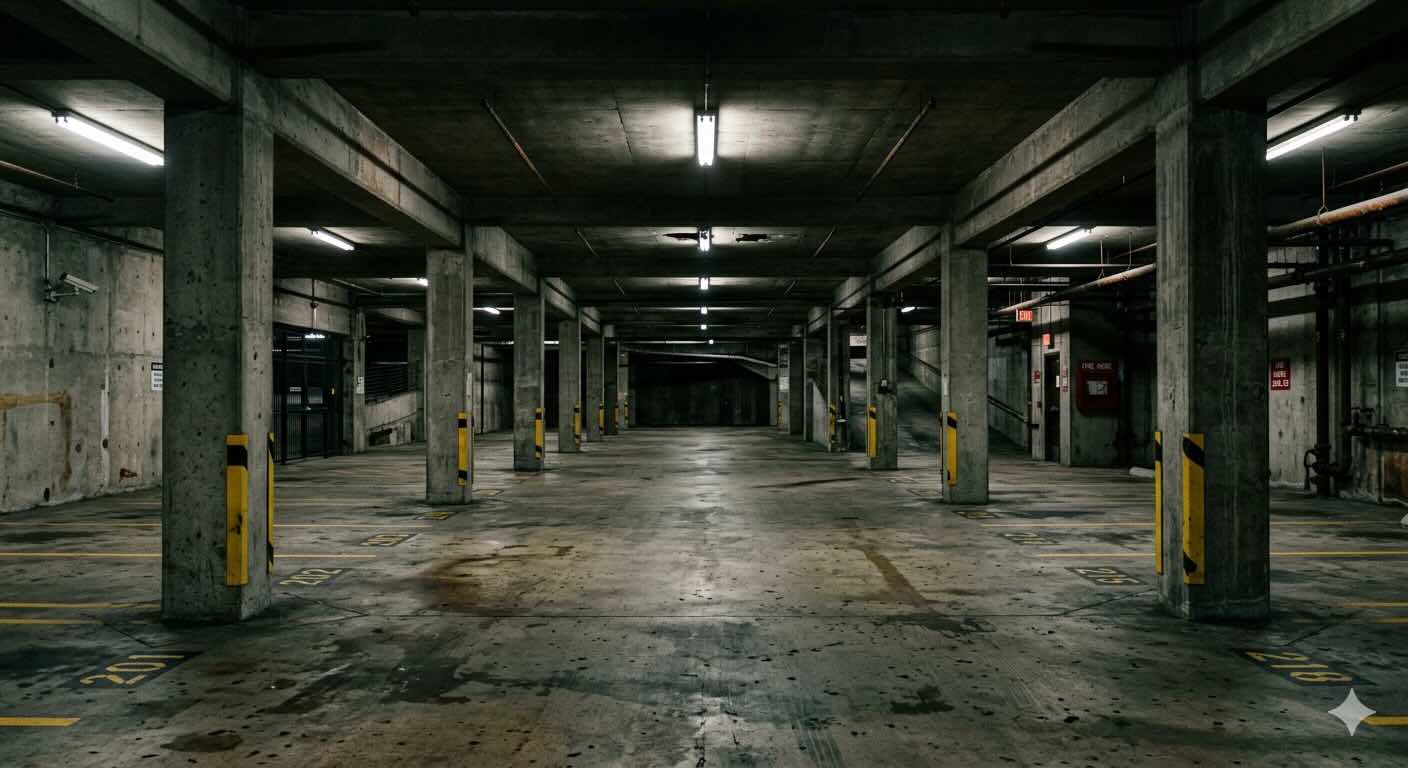
- Broken or Insufficient Lighting: Dimly lit parking garages near transit hubs like BART or Muni stations create ideal environments for ambushes and physical assaults.
- Unmonitored or Broken Security Cameras: Cameras that do not work or are completely unmonitored fail to deter criminals and fail to alert staff to unfolding emergencies.
- Untrained or Missing Security Staff: Venues that serve alcohol or host large crowds often require trained bouncers or guards to keep the peace.
- Defective Locks and Barriers: Apartment complexes or hotels that fail to fix broken gates or perimeter doors allow unauthorized individuals to access private spaces.
How an Insurance Insider Evaluates Your Claim
Insurance companies do not look at your injuries with empathy; they look at them as a financial liability to minimize. When evaluating negligent security cases in California, a defense team immediately looks for ways to break the chain of causation.
They will review the police report to argue that the attacker was highly motivated and would have committed the crime regardless of lighting or guards. They might also scour your background to imply you provoked the situation.
Because I spent years working inside that defense system, I know how to counter these strategies. We build your case by pulling public records, demanding internal business emails, interviewing security experts, and demonstrating exactly how the business prioritized profits over visitor safety.
Damages You May Recover After a Property Assault
If you survive a violent assault, the physical wounds are often only part of the trauma. Victims may be eligible for financial compensation to cover the full spectrum of their losses. This potential recovery includes:
- Emergency room bills, surgeries, and ongoing physical rehabilitation.
- Psychological counseling to treat Post-Traumatic Stress Disorder (PTSD), anxiety, and depression caused by the attack.
- Lost wages if your physical or mental injuries prevent you from returning to work in the Bay Area.
- Pain and suffering damages for the loss of quality of life.
Speak Directly with a Dedicated Bay Area Injury Attorney
If you were harmed because a business failed to protect you, you do not have to navigate the complex legal system alone. Unlike large, high-volume law firms where your case is passed down to an assistant, at Anderson Franco Law, APC, you get direct, personal access to your primary attorney.
We provide the elite legal advocacy you need coupled with the personal attention you deserve. Let us handle the insurance companies while you focus on your healing.
Contact Anderson Franco Law, APC today to schedule your free, confidential consultation.
Legal Disclaimer: The information provided in this article is for general informational purposes only and does not constitute formal legal advice. Reading this content does not establish an attorney-client relationship. If you require legal advice regarding a specific incident, please consult directly with a qualified attorney.
Get in Touch
Fill out the contact form or call us at (415) 727-1832 to schedule your free consultation.


Contact Us Now For a Free Case Evaluation
Our Locations

Suite 400
San Francisco, CA 94105

San Rafael, CA 94903

Suite 118
Greenbrae, CA 94904