







Scaffolding Accident Third Party Claim California Options


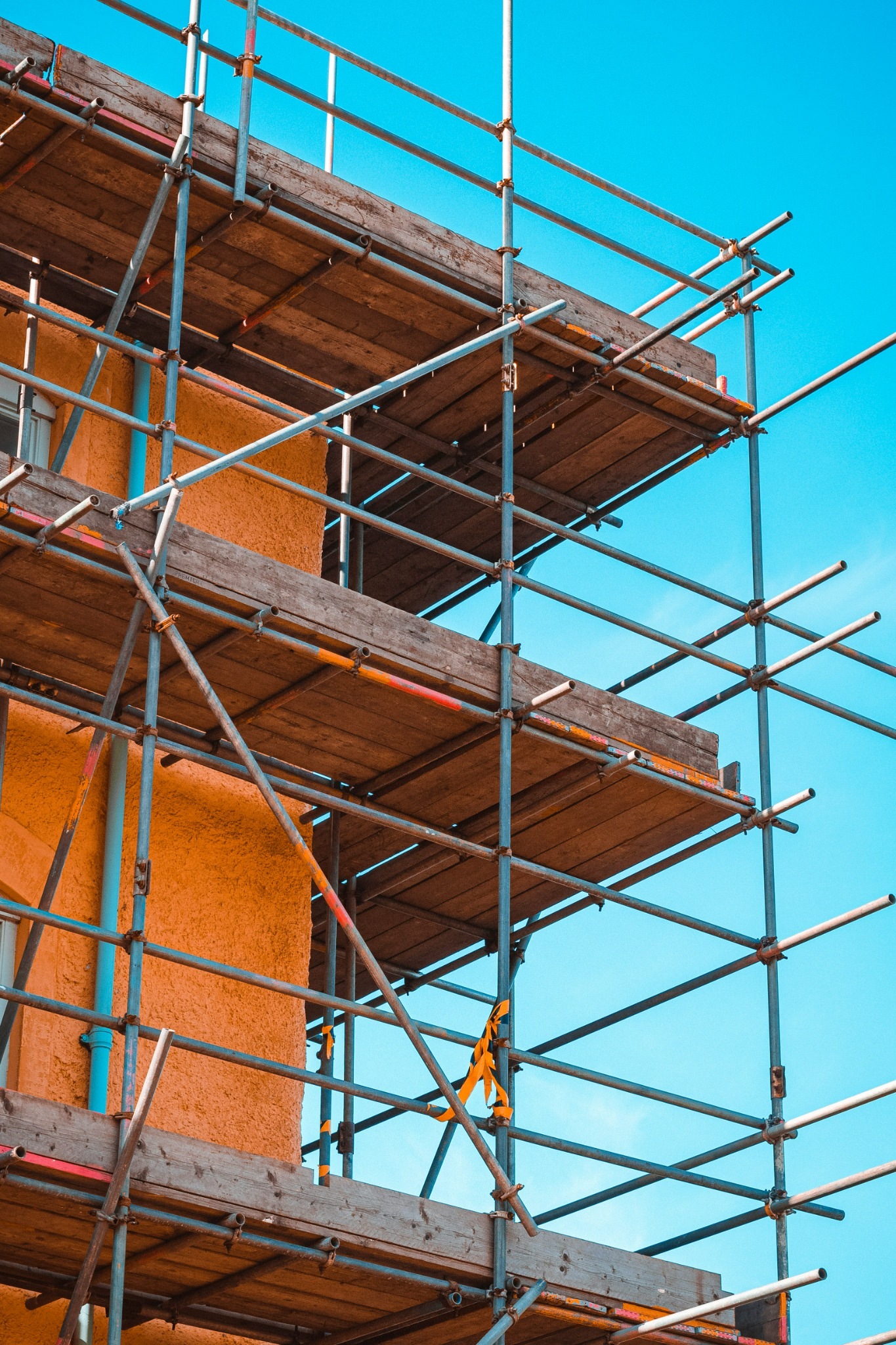
When you are working on a high-density residential build in San Francisco’s Mission District or handling a commercial renovation along Highway 101 in San Rafael, a scaffold is your lifeline. But when a platform gives way, a guardrail snaps, or a plank splits, gravity takes over instantly.
If you or a loved one has survived a devastating fall from a temporary structure, you are likely facing severe orthopedic trauma, spinal injuries, or a traumatic brain injury. Amidst the physical pain, the financial stress of surgical bills and missed paychecks can quickly become overwhelming.
Following a severe site injury, your foreman or an insurance adjuster will typically hand you forms and say that workers’ compensation is your only recovery path. While workers’ comp provides a baseline safety net, it caps your lost wage payments and completely bars you from recovering non-economic damages like physical pain, emotional trauma, and loss of enjoyment of life.
As a Bay Area native and a former insurance defense lawyer, I used to represent the major insurance corporations fighting these exact cases. I know the internal playbooks adjusters use to downplay site hazards, and I know how they try to limit your recovery to a standard administrative claim.
The truth is, if someone other than your direct employer contributed to your fall, you may be eligible to file a scaffolding accident third party claim California lawsuit to unlock full civil compensation.
Why Workers’ Comp Exclusivity Does Not Protect Negligent Third Parties
Under California Labor Code Section 3602, workers’ compensation is generally the exclusive remedy an injured employee has against their immediate employer. This means you cannot file a standard civil lawsuit against your direct boss, even if their lack of site safety caused the fall.
However, modern Bay Area construction projects are highly fragmented, multi-employer ecosystems. On any given day in downtown San Francisco or Marin County, a single job site plays host to general contractors, independent framing crews, mechanical engineering teams, and specialized equipment rental vendors.
If an independent entity—someone who does not sign your paycheck—acted negligently and caused your injury, workers’ comp exclusivity does not apply to them. By pursuing a scaffolding accident third party claim California civil action, you can hold that specific non-employer entity accountable in court for your full financial and personal losses.
Identifying Potentially Liable Outside Parties on the Job Site
Uncovering third-party fault requires an aggressive, immediate forensic evaluation of the contract chains, equipment logs, and physical site configurations. Depending on how your incident occurred, liability for a scaffolding accident third party claim California lawsuit may fall on one of several external entities:
1. The Scaffold Rental and Assembly Company
Many general contractors outsource the delivery, engineering, and erection of scaffolding systems to specialized third-party vendors. If this external company fails to install proper base plates, skips cross-bracing, uses rotted wooden planks, or violates explicit Federal OSHA Scaffold Safety Standards, they can be held directly liable for your injuries.
2. The General Contractor or Site Manager
Under California law, general contractors retain a non-delegable duty to maintain safe common areas on multi-employer worksites. If a general contractor fails to conduct daily safety inspections, ignores known hazards, or pressures crews to work on unstable platforms during heavy wind gusts or rain in the North Bay, they may share substantial liability for a catastrophic fall.
3. Independent Subcontractors
If a crew from a completely separate trade structural company modifies the scaffolding without authorization—such as removing a safety guardrail to hoist materials or altering a bracing wire—and fails to restore it, their independent negligence can form the foundation of a robust civil personal injury lawsuit.
Proving Civil Negligence in a Scaffold Injury Lawsuit
To successfully secure damages through a scaffolding accident third party claim California civil lawsuit, your legal team must establish the four core pillars of personal injury negligence:
- Duty of Care: The third-party company had a legal obligation to follow safety protocols or supply defect-free equipment on the shared site.
- Breach of Duty: They failed to meet that standard, such as violating California Code of Regulations Title 8 Section 1637 governing scaffolding construction.
- Causation: This specific safety breach or equipment failure was a substantial factor in causing your actual fall.
- Damages: You sustained verifiable physical injuries, medical debt, and lost income as a direct result.
Maximizing Your Compensation: Civil Lawsuits vs. Workers’ Comp
The financial difference between an administrative insurance claim and a third-party civil lawsuit can be life-altering for an injured worker and their family.
- Medical Treatment: Workers’ comp restricts you to utilization reviews and approved doctor networks. A civil third-party lawsuit allows you to seek compensation for all past and future medical care, including specialized neurological or orthopedic rehabilitation, without insurance company caps.
- Income Replacement: Workers’ comp temporary disability benefits only replace a fraction of your income and are subject to strict weekly maximums. A civil lawsuit allows you to demand 100% of your actual lost earnings, union benefits, and future lost earning capacity if you can no longer return to the tools.
- Pain and Suffering: Workers’ compensation pays zero dollars for your human suffering. A third-party civil claim allows you to recover full non-economic damages for the physical agony, sleep disruptions, and emotional distress caused by a permanent impairment.
Immigration Status Has No Impact on Your Civil Rights in California
A profound fear for many essential tradespeople in the Bay Area is that pursuing legal action will expose their immigration status or lead to job retaliation.
Let me be perfectly clear: California Labor Code Section 1171.5 explicitly states that immigration status is completely irrelevant to an individual’s right to pursue civil personal injury damages. If you are hurt on a job site due to a non-employer’s negligence, you have the absolute right to seek full compensation for your medical costs and lost wages. The defense is legally barred from using your status to devalue your injuries or deny your claim.
Speak with an Experienced Bay Area Construction Injury Attorney
Active construction sites change rapidly. General contractors will clear away broken scaffolding components, patch structural defects, and alter the scene within hours of an incident to protect their own financial interests.
If you want an elite advocate who understands the internal operations of insurance defense companies fighting for you, contact Anderson Franco Law, APC today. We will conduct an exhaustive review of your accident to determine if you have a viable scaffolding accident third party claim California option.
Call our office directly or fill out our secure online contact form to schedule your free, completely confidential legal consultation.
Disclaimer: The information provided in this blog post is for informational and educational purposes only and does not constitute formal legal advice. Reading or interacting with this content does not establish an attorney-client relationship with Anderson Franco Law, APC. If you require legal advice for a specific injury claim, please consult directly with a licensed personal injury lawyer.
Get in Touch
Fill out the contact form or call us at (415) 727-1832 to schedule your free consultation.


Contact Us Now For a Free Case Evaluation
Our Locations

Suite 400
San Francisco, CA 94105

San Rafael, CA 94903

Suite 118
Greenbrae, CA 94904