





Tingling After a Car Crash


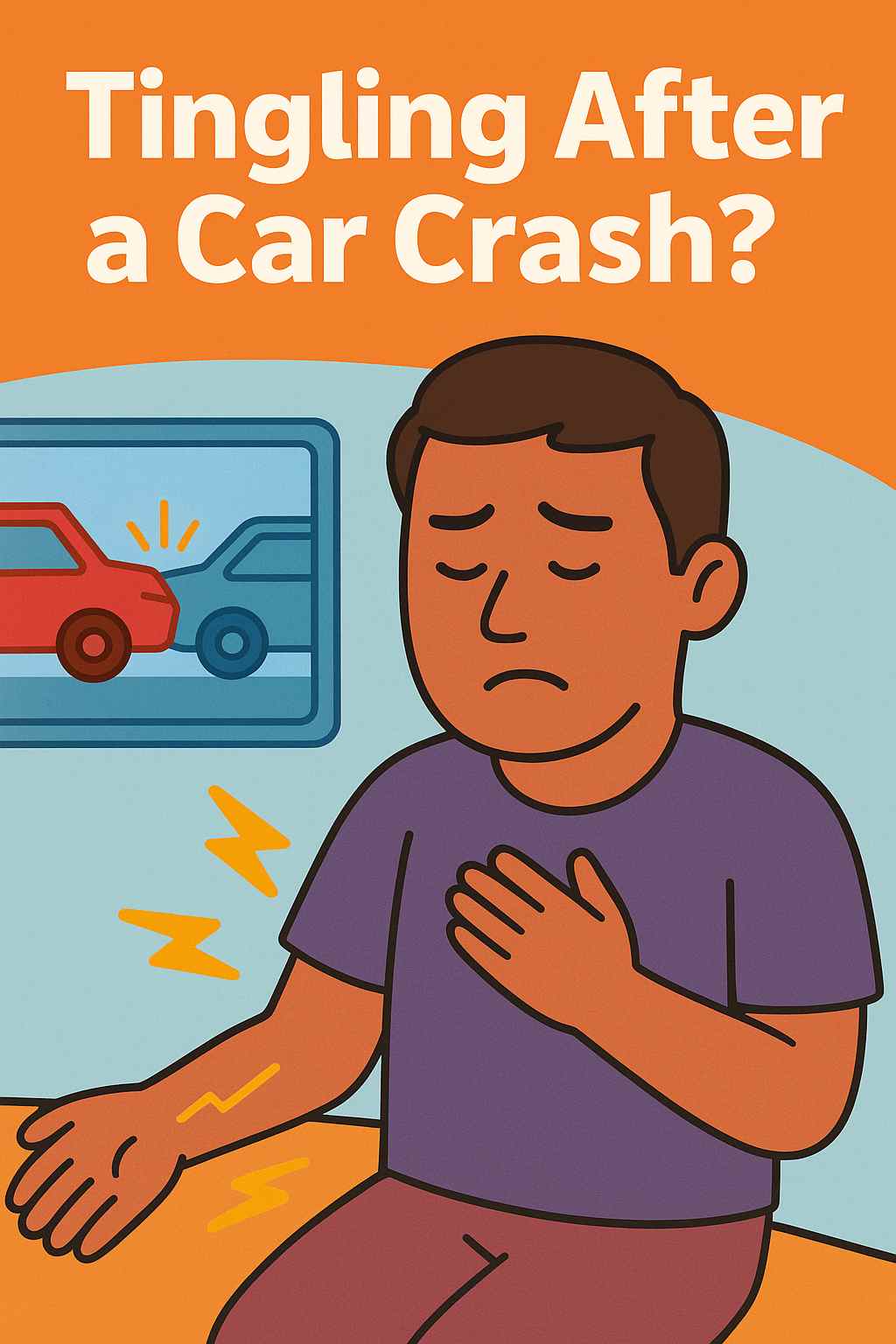
Tingling After a Car Crash: What It Means and What to Do
After a car crash, most people expect bruises, cuts, or even broken bones. But sometimes the most alarming symptoms are less visible—like tingling in your hands, arms, legs, or feet. Tingling after a car accident may feel like pins and needles, numbness, or a burning sensation. While it might seem minor at first, tingling is often a sign of a more serious underlying injury.
At Anderson Franco Law, we’ve helped countless car accident victims in San Francisco and across the Bay Area who ignored early symptoms, only to learn later that they had significant injuries. If you feel tingling after a crash, it’s important to understand what it could mean and what steps to take.
Why Tingling Happens After a Car Crash
Car accidents put enormous force on the human body. The sudden impact can jolt the spine, compress nerves, or stretch tissues in ways they weren’t meant to move. Even if you don’t have visible injuries, your nervous system can be affected. Tingling after a car accident is often the body’s way of signaling that something is wrong.
Common Causes of Tingling After a Car Crash
Tingling is not just an inconvenience—it can be a warning sign of injuries that need medical attention. Some of the most common causes include:
Whiplash
A rapid back-and-forth motion of the neck can inflame nerves and cause tingling in the arms and hands. Whiplash is one of the most frequent car crash injuries and should never be ignored.
Herniated Discs
The discs between your vertebrae act as cushions. A violent collision can cause one to bulge or rupture, pressing against nearby nerves. This pressure often leads to tingling, numbness, or weakness in the arms or legs.
Pinched Nerves
If a nerve is compressed by swelling, misaligned bones, or damaged tissue, it may send signals like tingling, numbness, or shooting pain.
Spinal Cord Injuries
Even minor trauma to the spinal cord can result in tingling sensations. In severe cases, this may be an early sign of partial paralysis.
Traumatic Brain Injury (TBI)
Head injuries can disrupt how the brain communicates with the rest of the body. Tingling, dizziness, or coordination issues may signal a concussion or more serious brain trauma.
Soft Tissue Injuries
Damage to muscles and ligaments can sometimes irritate nearby nerves, leading to tingling sensations.
Why You Shouldn’t Ignore Tingling After a Car Accident
Tingling may come and go, but that doesn’t mean it’s harmless. Many accident victims brush off the sensation, only to later discover:
- Their injuries worsened without treatment.
- They developed chronic pain or long-term disability.
- Insurance companies tried to minimize their claim because they didn’t report symptoms early.
By seeking immediate medical care, you protect not only your health but also your legal rights. Medical records documenting tingling or numbness are important evidence in a personal injury claim.
What to Do If You Have Tingling After a Crash
1. Get Medical Care Immediately
Even if the tingling feels mild, see a doctor as soon as possible. Emergency rooms, urgent care clinics, or your primary care doctor can check for serious conditions. You may also be referred to specialists like neurologists or orthopedists.
2. Follow Through with Treatment
Your doctor may recommend physical therapy, medication, or imaging studies like MRIs. Don’t skip appointments. Gaps in treatment not only affect your recovery but also give insurance companies an excuse to deny your claim.
3. Document Your Symptoms
Keep a journal of when the tingling happens, how long it lasts, and how it affects your daily life. This can help your doctor understand your condition and your lawyer build your case.
4. Speak With a Car Accident Lawyer
Insurance adjusters often dismiss tingling as “minor.” A skilled lawyer knows how to prove that these symptoms can indicate serious injuries. At Anderson Franco Law, we work with medical experts to connect your symptoms to the accident and fight for fair compensation.
Compensation for Tingling After a Car Crash
If tingling is linked to a car accident injury, you may be entitled to compensation for:
- Medical bills (past and future)
- Physical therapy or rehabilitation
- Lost wages if you missed work
- Reduced earning capacity if your injury limits future employment
- Pain and suffering for the physical and emotional toll
In cases of severe injuries, compensation may also cover long-term care or adaptive devices.
How Anderson Franco Law Helps Car Accident Victims
At Anderson Franco Law, we’ve seen how something as simple as tingling can turn out to be a life-altering injury. We understand the tactics insurance companies use to downplay these cases. Our team is dedicated to:
- Gathering strong medical evidence
- Consulting with specialists to prove your injuries
- Negotiating aggressively with insurers
- Going to court if necessary to secure full compensation
We work on a contingency fee basis, which means you pay nothing up front. We only get paid if we win money for you.
Tingling Is a Warning Sign
Tingling after a car crash is not something to ignore. It could signal whiplash, a herniated disc, or even a spinal cord injury. Getting prompt medical care protects your health, and contacting a lawyer protects your financial recovery.
If you’re experiencing tingling after a car accident in San Francisco or anywhere in the Bay Area, contact Anderson Franco Law today for a free consultation. We’ll listen to your story, review your options, and fight to make sure you receive the compensation you deserve.

Our Location
Get in Touch
Fill out the contact form or call us at (415) 727-1832 to schedule your free consultation.


