







Uber or Lyft Accident in California Policy Rules


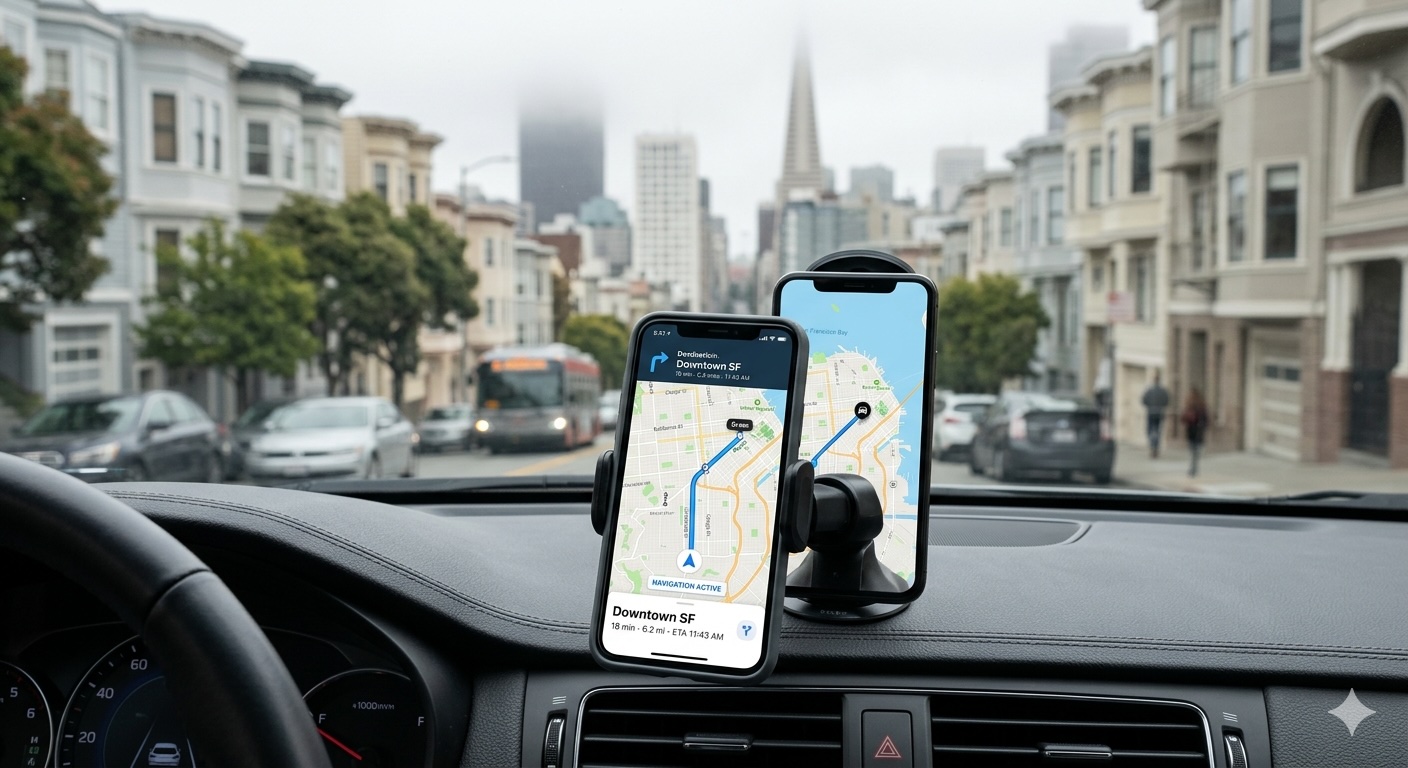
Insurance coverage after an Uber or Lyft accident in California depends largely on the driver’s status at the time of the collision. A driver who is offline, waiting for a request, traveling to pick up a passenger, or transporting a passenger may be covered by different insurance policies and limits.
These limits do not guarantee a particular recovery or necessarily cap the liability of every responsible party. Compensation depends on factors including fault, proven damages, applicable policy terms, and whether other insurance or defendants are involved.
App Off: Personal Driving
When the rideshare application is off, the driver is generally engaged in personal driving. The driver’s personal automobile policy ordinarily applies, subject to its terms and exclusions. California’s standard minimum liability limits are currently:
- $30,000 for injury or death to one person
- $60,000 for injury or death to multiple people in one accident
- $15,000 for property damage
A driver may carry higher limits. Statutory transportation network company coverage does not apply merely because the driver sometimes works for Uber or Lyft. The California DMV explains the state’s current minimum liability insurance requirements.
Period 1: App On, No Ride Accepted
Period 1 begins when the driver logs into the rideshare application and is available to receive requests but has not yet accepted one. It also generally applies after a ride is completed while the driver remains logged in and awaits another request.
During this period, California law requires primary transportation network company insurance of at least:
- $50,000 for injury or death per person
- $100,000 for injury or death per incident
- $30,000 for property damage
The transportation network company must also maintain at least $200,000 in excess liability coverage per occurrence for covered liability exceeding the primary limits.
This coverage is not secondary or contingent on the driver’s personal insurer first denying the claim. California law expressly provides that the required rideshare coverage does not depend on a prior denial by a personal automobile insurer. A personal policy generally does not cover rideshare activity while the driver is logged in unless the policy expressly includes that coverage through appropriate terms or an endorsement.
These requirements appear in California Public Utilities Code section 5433 and section 5434.
Period 2: Ride Accepted, Passenger Not Yet Picked Up
Period 2 begins when the driver accepts a ride request and travels to pick up the passenger. From the moment the request is accepted, California law requires $1 million in primary liability insurance for death, personal injury, and property damage.
The coverage continues until the driver completes the transaction in the application or the ride is completed, whichever occurs later. The $1 million is a liability limit—not an automatic payment—and generally applies when the rideshare driver or another insured party is legally responsible for the collision.
Period 3: Passenger in the Vehicle
Period 3 begins when the passenger enters the vehicle and continues until the passenger exits. The same $1 million primary liability requirement remains in effect during this period.
California also requires the transportation network company to provide primary uninsured and underinsured motorist coverage while the passenger is in the vehicle. Effective January 1, 2026, the statutory limits are:
- $60,000 per person
- $300,000 per incident
This coverage may apply when a different motorist causes the collision and has no insurance or insufficient insurance, subject to the policy terms and California law. It is separate from the $1 million liability coverage that applies when the rideshare driver or another insured party is responsible.
The 2026 uninsured and underinsured motorist limits were established by Senate Bill 371.
Why the Driver’s App Status Matters
The driver’s precise status can determine which policy applies and how much coverage is available. Disputes may arise over when the driver logged in, accepted the request, picked up the passenger, completed the ride, or logged out.
California law requires transportation network companies and their insurers to cooperate in coverage investigations by providing information that includes the precise times a driver logged on and off the platform. Important evidence may include:
- Rideshare application screenshots
- Trip receipts and route information
- Ride-acceptance and completion records
- Photographs and video from the scene
- Witness statements
- Dashcam or traffic-camera footage
- Phone and location records
- Police or collision reports
Preserving this information promptly can help establish which coverage period applied.
What to Do After a California Rideshare Accident
- Address immediate safety and medical needs. Call 911 when emergency assistance is needed and obtain appropriate medical care. Some injuries may not become fully apparent until after the collision.
- Document the ride and the scene. Save screenshots showing the driver’s name, vehicle, route, trip status, and receipt. Photograph the vehicles, roadway, damage, visible injuries, traffic controls, and surrounding conditions when it is safe to do so.
- Collect identifying and insurance information. Obtain information from every involved driver and identify witnesses. California law requires a participating rideshare driver to provide proof of transportation network company insurance after an accident upon request.
- Report the collision when required. Notify the appropriate rideshare company and law-enforcement agency as circumstances require. California drivers must also submit an SR-1 report to the DMV within 10 days when anyone is injured or killed or when property damage exceeds $1,000. A police or insurance report does not replace the SR-1 filing. The form and instructions are available through the California DMV’s accident-reporting portal.
- Use care when communicating with insurers. Provide required and truthful information, but do not speculate about fault, injuries, or other facts you do not know. Before giving a recorded statement to an adverse insurer or signing a release, consider obtaining legal advice.
- Preserve all records. Keep medical records, bills, wage-loss documents, repair estimates, photographs, correspondence, and rideshare records. Do not assume that an insurance investigation pauses any legal deadline.
How Anderson Franco Law Can Help
Rideshare accident claims may involve several policies, disputed app records, multiple drivers, and questions about which parties are legally responsible. Anderson Franco previously represented insurance companies in negligence claims and now uses that experience to represent injured people.
As a boutique injury firm, Anderson Franco Law provides clients with direct attorney involvement. The firm investigates coverage, preserves digital evidence, evaluates liability and damages, and identifies potentially responsible parties and available insurance.
Learn more about the firm on the Anderson Franco Law home page or review its guides concerning car accidents and pedestrian accidents.
If you were injured as a rideshare passenger, driver, pedestrian, bicyclist, or occupant of another vehicle, contact Anderson Franco Law, APC to discuss the circumstances of your case.
Get in Touch
Fill out the contact form or call us at (415) 727-1832 to schedule your free consultation.


Contact Us Now For a Free Case Evaluation
Our Locations

Suite 400
San Francisco, CA 94105

San Rafael, CA 94903

Suite 118
Greenbrae, CA 94904