





What Benefits Does Workers’ Compensation Cover in California?


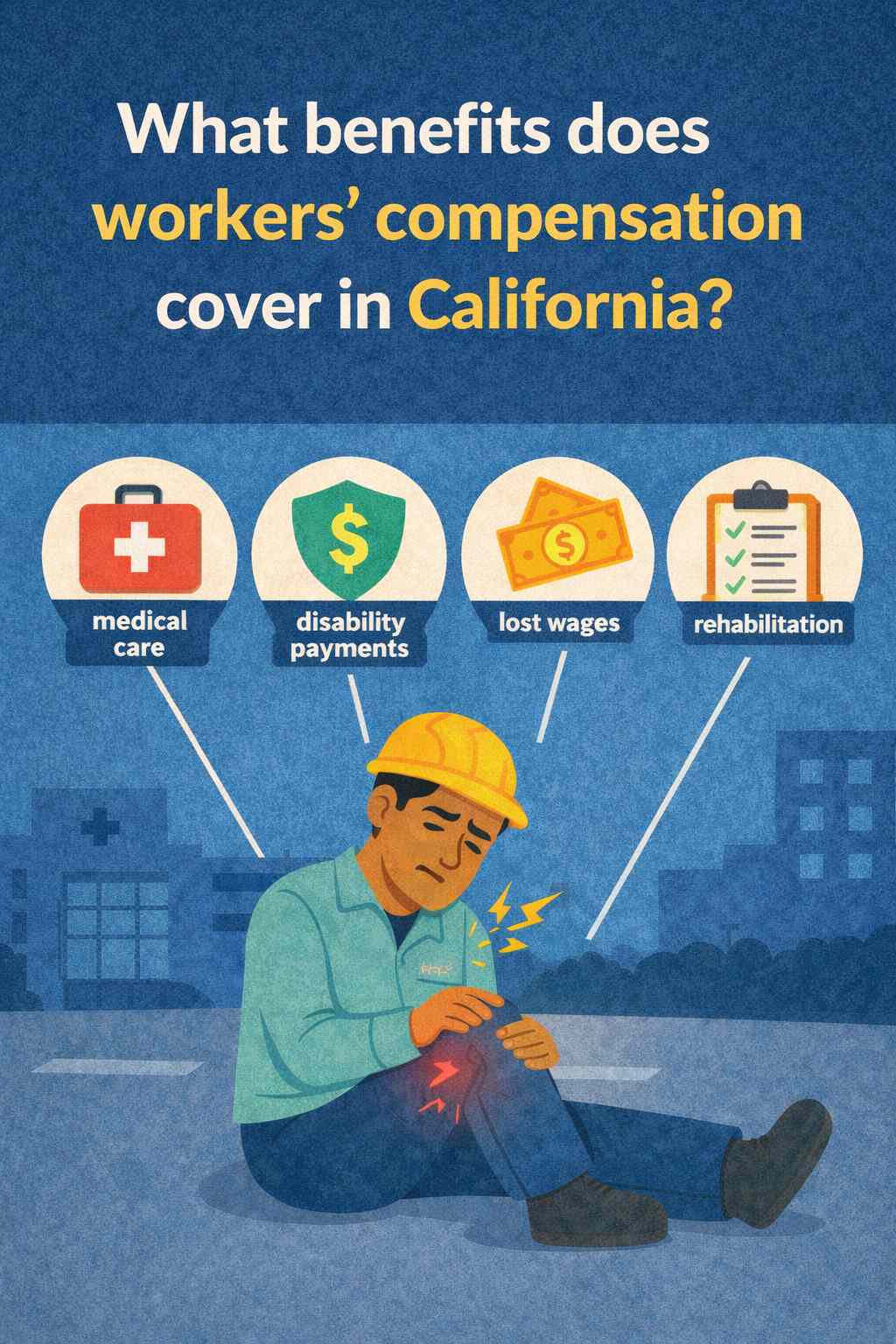
If you were hurt at work, one of the first questions you may ask is: what does workers’ comp pay? Medical bills, missed work, and uncertainty can create stress very quickly. Workers’ compensation exists to protect injured workers and provide support during recovery.
In California, workers’ compensation covers several specific benefits. These benefits are meant to help you heal, replace lost income, and support your family in serious cases. Below is a clear explanation of what benefits workers’ comp covers and how each one works.
Workers’ compensation insurance pays defined benefits when an employee is injured at work or develops a work-related illness. These benefits are required by law and do not depend on who caused the accident.
In general, workers’ comp in California may pay for medical treatment, temporary disability benefits, permanent disability benefits, and death benefits. Each benefit serves a different purpose depending on the severity of the injury.
Yes. Workers’ compensation pays for reasonable and necessary medical treatment related to your work injury.
This includes doctor visits, emergency care, hospital stays, surgery, diagnostic tests, medications, and physical therapy. The goal is to help you recover and return to work if possible. These medical costs are paid by the employer’s insurance, not by you.
If the insurance company refuses to approve treatment, you have the right to challenge that decision.
Temporary disability benefits are paid when your injury prevents you from working while you recover.
These payments help replace lost wages during the time your doctor says you cannot work or can only work with restrictions. In most cases, temporary disability pays about two-thirds of your average weekly wages, up to a legal maximum.
Temporary disability benefits usually end when you return to work, reach maximum medical improvement, or your condition becomes permanent.
Permanent disability benefits apply when a work injury does not fully heal.
If you are left with lasting physical or functional limits, a doctor may assign a permanent disability rating. That rating is used to calculate how much compensation you receive.
These payments are meant to account for long-term loss of function or reduced ability to work. The amount depends on the injury, your wages, and other legal factors.
Yes. If a work injury or illness causes an employee’s death, workers’ compensation provides death benefits to certain dependents.
These benefits may include weekly payments to surviving family members, such as a spouse or children, and a separate payment to cover funeral and burial expenses. The purpose is to provide financial support to the worker’s dependents.
Who qualifies as a dependent and how much is paid depends on the family situation.
No. California workers’ compensation is a no-fault system.
This means you can receive benefits even if the accident was partly or fully your fault. In exchange, employees generally cannot sue their employer for personal injury. However, there may be exceptions if a third party caused the injury.
If workers’ comp denies medical care or wage payments, you still have options.
You may challenge the denial, request additional medical evaluations, and bring your case before the workers’ compensation appeals board. The process can be complicated, which is why many injured workers seek legal help.
Knowing what workers’ comp pays helps you protect your rights after a workplace injury.
Many workers receive less than they are entitled to simply because they do not understand the benefits available. Understanding medical care, disability payments, and long-term benefits can make a major difference in both recovery and financial stability.
Anderson Franco Law and workers’ comp benefits in California
At Anderson Franco Law, we help injured workers understand what workers’ comp insurance pays and how to claim every benefit the law allows. The system can be confusing, and insurance companies do not always explain your rights clearly.
If you were injured at work and have questions about workers’ compensation benefits, speaking with a lawyer can help you protect your health and your future. Understanding your benefits is the first step toward a full recovery.
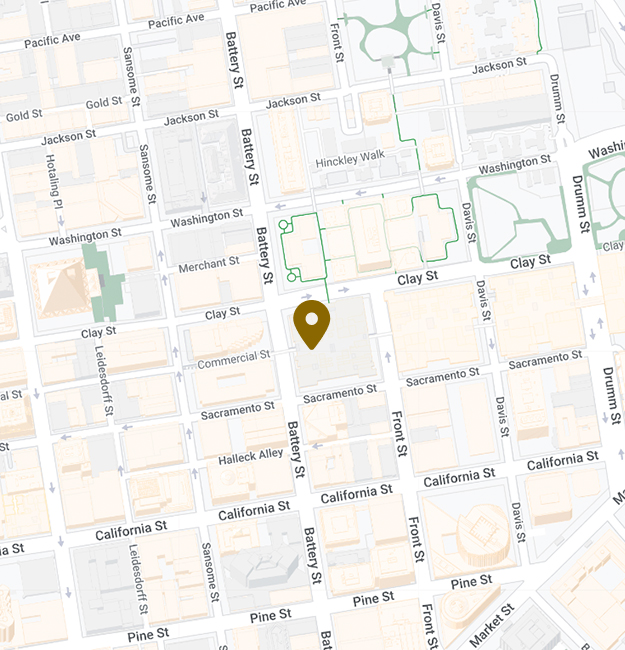
Our Location
Get in Touch
Fill out the contact form or call us at (415) 727-1832 to schedule your free consultation.


