







What Is Utilization Review in California Workers’ Comp?


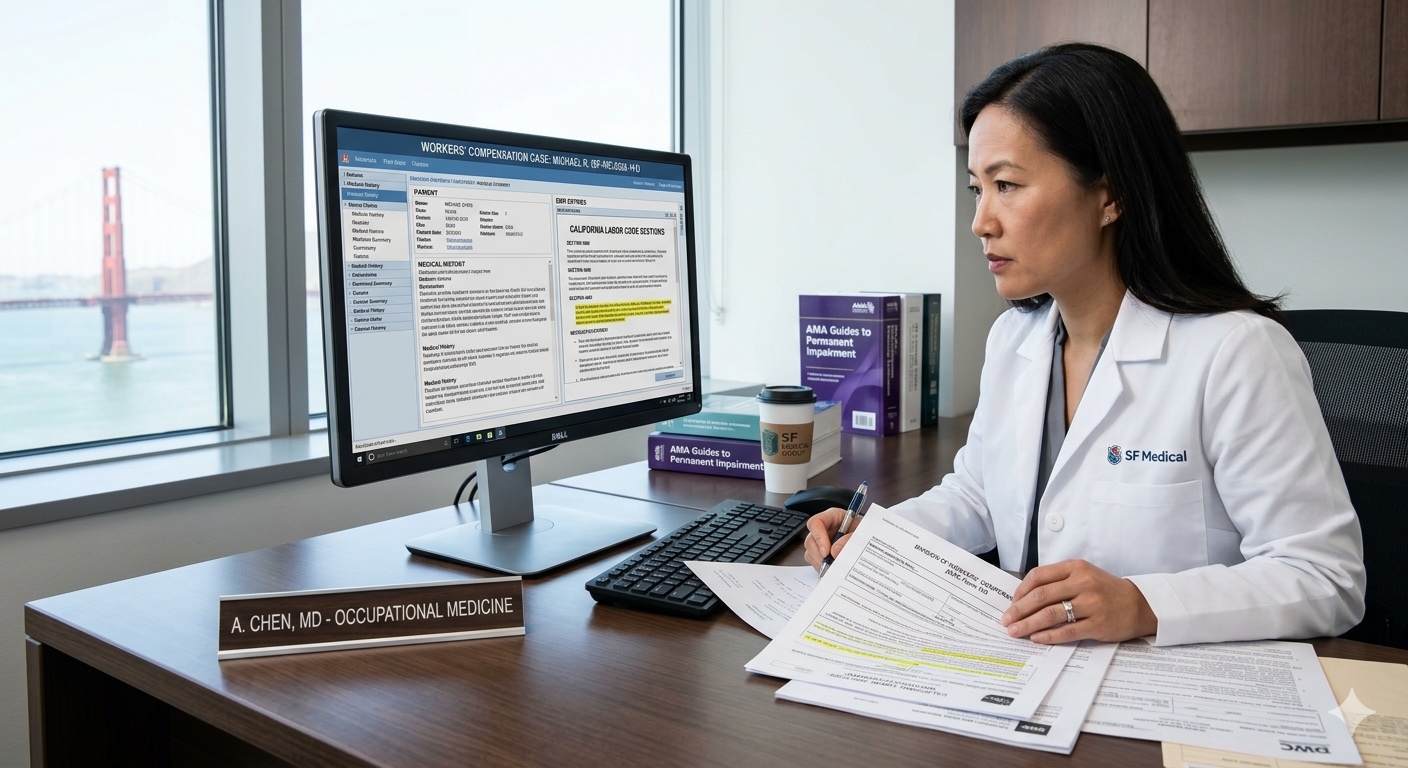
If you have suffered a work-related injury in the Bay Area, navigating medical treatment can quickly become a frustrating administrative battle. You might expect that if your primary treating physician recommends a specific medical treatment, surgery, or physical therapy regimen, you will receive it automatically. However, your care must first clear a critical regulatory hurdle. Knowing exactly what is utilization review in California workers’ comp? is essential to preventing insurance companies from delaying or denying your necessary medical care.
The medical treatment authorization system is highly structured, and insurance carriers use strict guidelines to control costs. Understanding this framework allows you to advocate effectively for your recovery and protect your legal rights.
Understanding the California Workers’ Comp UR Process
Utilization Review, commonly known as UR, is the formal process that California workers’ compensation insurance companies use to review, approve, modify, or deny medical treatment recommended by your doctor. The state mandates this program under California Labor Code Section 4610. The stated legal intent of UR is to ensure that injured workers receive care that meets evidence-based medicine standards.
When your physician wants to prescribe a specific course of care, they must submit a formal Request for Authorization (RFA) to the insurance claims administrator. The claims administrator then sends this request to a utilization review vendor. A licensed medical professional, rather than a standard claims adjuster, must review any recommendation to modify or deny your treatment. The reviewer compares your doctor’s request against the Medical Treatment Utilization Schedule (MTUS), which serves as the state’s official blueprint for medically necessary work injury care.
Timeline Rules for Treatment Decisions
The state establishes strict time frames for insurance companies to deliver a utilization review decision. If a claims administrator misses these regulatory deadlines, their subsequent denial may be deemed legally invalid, forcing them to authorize the disputed treatment.
- Prospective Review: For standard, upcoming medical care, the UR provider must issue a decision within five business days from the date they receive the completed RFA. The absolute maximum extension allowed to gather additional information is 14 calendar days from the initial request.
- Concurrent Review: If you are currently hospitalized or undergoing an ongoing course of treatment, the review must occur within five business days. The decision must arrive before the currently authorized care terminates.
- Expedited Review: If your treating physician certifies in writing that an immediate, serious threat to your health exists, the UR vendor must issue a decision within 72 hours.
- Retrospective Review: For medical services that have already been rendered, the insurer has 30 calendar days to complete their medical necessity evaluation.
The First 30 Days of Injury Exemption
The Division of Workers’ Compensation (DWC) maintains updated regulations to help injured employees access critical medical care quickly. Under these rules, a treating physician can often render medically necessary treatment during the first 30 days following the date of injury without undergoing prospective utilization review.
This exemption applies exclusively to accepted claims and treatment that aligns precisely with MTUS guidelines. It is designed to prevent administrative delays for initial care, such as diagnostic x-rays or immediate physical therapy sessions. However, specific high-cost services, complex surgical procedures, and non-formulary medications are excluded from this 30-day exemption and still require standard upfront approval.
The Insurance Insider Perspective on Care Denials
Insurance defense strategies often rely heavily on utilization review to control financial exposure on complex claims. Having previously worked as an insurance defense attorney, I know exactly how these companies operate behind closed doors. Insurers frequently use specialized UR doctors who review your medical files remotely without ever examining you in person. These doctors look for any missing documentation or slight deviations from MTUS guidelines to issue a formal denial.
If the utilization review process modifies or denies your doctor’s requested treatment, you cannot appeal the decision directly to a workers’ compensation judge. Instead, your primary recourse is to request an Independent Medical Review (IMR) through the state’s designated independent review organization. You must submit the application for IMR within 30 days of receiving the written UR denial. The IMR process is entirely document-based, meaning the reviewing physician relies solely on the medical evidence submitted in your file.
Overcoming Deferred UR and Liability Disputes
Insurance companies cannot use utilization review to stall your medical treatment indefinitely while fighting your case. If an employer disputes legal liability for your entire work injury claim, they can choose to defer conducting utilization review. They must issue a formal regular notice explaining that they are contesting whether the injury happened on the job.
However, once the threshold issue of liability is resolved—either through an explicit agreement or a formal decision by the Workers’ Compensation Appeals Board (WCAB)—the prospective UR clock starts running immediately. The insurer cannot force your doctor to submit a brand-new RFA. They must act on the existing request within the standard five-business-day window or risk losing their right to object to the treatment.
Speak Directly with a Local Bay Area Advocate
Navigating a complex work injury claim requires direct communication and strategic legal guidance. At Anderson Franco Law, APC, we provide boutique legal representation with direct access to your primary attorney. We understand the specific transit layouts, regional employer networks, and medical provider groups across San Francisco and Marin County.
If you are facing unfair treatment denials or delays after a workplace accident, contact us online through our FAQs and Resources Page to discuss your case options.
Legal Disclaimer: The information provided in this article does not constitute formal legal advice. Reading this content does not establish an attorney-client relationship. Workers’ compensation laws are subject to frequent regulatory adjustments; consult a licensed attorney regarding your specific legal claim.
Get in Touch
Fill out the contact form or call us at (415) 727-1832 to schedule your free consultation.


Contact Us Now For a Free Case Evaluation
Our Locations

Suite 400
San Francisco, CA 94105

San Rafael, CA 94903

Suite 118
Greenbrae, CA 94904