





When Can You Sue Outside Workers’ Comp in California?


When Can You Sue Outside Workers’ Comp in California?
If you were hurt at work in California, you may assume workers’ compensation is your only remedy. In many cases, that is true. Workers’ comp is usually the main system for work injuries. It provides medical care, temporary disability benefits, permanent disability benefits, and other support without requiring you to prove fault.
But that is not always the end of the story.
In some situations, an injured worker may have the right to bring a lawsuit outside of workers’ compensation. That can matter a great deal. A civil case may allow recovery for losses that workers’ comp does not fully cover, including pain and suffering, full wage loss in some cases, and broader damages against a responsible third party.
At Anderson Franco Law, we look closely at work injury cases to see whether workers’ compensation is the only path or whether there may also be a separate lawsuit. In my experience, many injured workers are told they “only have a workers’ comp case” when the facts are more complicated than that. A job injury may involve unsafe property conditions, defective equipment, negligent drivers, contractors, vendors, or other non-employer parties. When that happens, the case may be much more valuable and much more complex than it first appears.
This article explains when you may be able to sue outside workers’ comp in California, what the common exceptions are, and why it is important to investigate the facts early.
Understanding the General Rule in California
California workers’ compensation law is built around what lawyers often call the “exclusive remedy” rule. In plain English, that means an employee who is injured in the course and scope of employment usually cannot sue the employer in civil court for ordinary negligence. Instead, the employee must pursue workers’ compensation benefits.
This tradeoff is the foundation of the system. The worker does not have to prove the employer was careless. In exchange, the employer is usually protected from a personal injury lawsuit for the work injury.
That general rule applies in many common workplace injury cases. For example, if a worker strains a back lifting heavy materials, slips while doing regular job duties, develops a repetitive stress injury, or gets hurt in an accident caused by ordinary workplace negligence, workers’ comp is often the primary remedy against the employer.
Still, “usually” does a lot of work here. The exclusive remedy rule is broad, but it is not absolute.
Why This Question Matters So Much
This is not just a technical legal question. It directly affects the value and structure of a case.
Workers’ compensation benefits are important, but they are limited. They do not generally provide damages for pain and suffering. They also operate under a separate statutory system with their own doctors, procedures, and disputes. For many seriously injured workers, that system does not fully account for the real human cost of the injury.
A civil lawsuit may open the door to a different measure of damages. It may also create leverage that does not exist in a workers’ comp claim alone.
In my practice, I have seen work injuries where the key issue was not whether the worker was injured on the job. That part was obvious. The real issue was whether someone other than the employer played a role. When that answer is yes, the case often changes in a major way.
The Most Common Way to Sue Outside Workers’ Comp: A Third-Party Claim
The most common way an injured worker can sue outside workers’ comp in California is through a third-party claim.
A third-party claim is a lawsuit against someone other than the employer or a co-employee. This is extremely important because workers’ comp may still apply, while a separate civil claim proceeds at the same time against the outside party who caused or contributed to the injury.
This happens more often than many people realize.
Common Examples of Third-Party Work Injury Cases
A delivery driver is hit by another motorist while making deliveries.
A construction worker is injured by a subcontractor’s unsafe conduct on a job site.
An employee slips and falls at a property owned or controlled by someone other than the employer.
A worker is hurt by a defective machine, tool, ladder, vehicle, or product.
A technician is attacked by a dangerous dog while performing work at someone else’s property.
An outside maintenance company creates a dangerous condition that injures a worker.
In these cases, workers’ compensation may cover benefits through the employer relationship, but the injured worker may also sue the negligent third party in civil court.
That combination can be powerful. Workers’ comp may help with immediate medical treatment and disability benefits, while the third-party case may allow recovery for broader damages.
Construction Accident Cases Often Require a Broader Investigation
Construction injury cases are a major example of why this issue matters.
Many injured construction workers assume they are limited to workers’ comp because they were hurt at work. But construction sites often involve many different entities. There may be a general contractor, property owner, subcontractors, equipment companies, rental companies, suppliers, and consultants. The injured worker may be employed by one company, but another company may have created the hazard.
In my experience, these cases often require a careful investigation into who controlled the work, who created the dangerous condition, who supplied the equipment, and who had safety responsibilities on the site. That is not always obvious from the incident report.
We have seen serious work injury matters where the civil side of the case depended on facts that were not fully developed at the beginning. A worker may simply report, “I fell,” “the equipment failed,” or “something exploded.” But the legal value often turns on why it happened, who had control, and whether that party was someone other than the employer.
That is one reason injured workers should be cautious about accepting early assumptions about their rights.
You May Be Able to Sue for a Car Accident That Happened While You Were Working
One common example involves vehicle accidents during work.
If you were driving for work, making deliveries, traveling between job sites, operating a company vehicle, or otherwise acting within your job duties when another driver caused a crash, you may have both a workers’ comp claim and a third-party personal injury claim.
That can be important because a civil case against the at-fault driver may allow compensation beyond workers’ comp benefits. It may also bring additional insurance coverage into play.
I have seen cases where people focus only on the workers’ comp side because the injury happened during work hours. But if another driver caused the collision, that outside driver and their insurance carrier may be central to the case. The work connection does not erase the negligence of the third-party driver.
Defective Products Can Create a Civil Lawsuit
Another major category involves defective products.
If a worker is injured because of a defective machine, unsafe tool, malfunctioning vehicle, faulty ladder, defective safety device, or another dangerous product, there may be a product liability claim against the manufacturer, distributor, seller, or another responsible entity.
These cases can be highly fact-specific. The key issue may be defective design, manufacturing error, failure to warn, or another product-related defect. Workers’ comp may still provide benefits, but it does not prevent a claim against the product-related defendants.
In a serious injury case, preserving the product can be critical. The machine, tool, part, or equipment involved should often be retained and examined. If the item disappears, gets repaired, or is discarded too soon, important evidence may be lost.
That is one reason early legal involvement can matter.
Premises Liability at Another Person’s Property
Some workers are injured at properties they do not own and that are not controlled by their employer.
This may happen with home health workers, delivery workers, repair technicians, sales representatives, janitorial staff, inspectors, and many others. If the injury was caused by a dangerous property condition at someone else’s premises, there may be a third-party premises liability case.
Examples may include broken stairs, slippery walkways, unsafe lighting, hidden holes, falling objects, unsecured dogs, or other dangerous conditions.
The analysis often depends on who owned, possessed, managed, or controlled the property and whether that party failed to use reasonable care.
Again, the fact that the worker was on the job does not automatically eliminate the possibility of a civil lawsuit.
Can You Sue Your Employer Directly Outside Workers’ Comp?
Sometimes, but only in limited circumstances.
Most ordinary negligence claims against an employer are barred by the workers’ comp exclusive remedy rule. However, there are exceptions. These are narrower and often more difficult than third-party claims, but they do exist.
1. Serious and Willful Misconduct
California law allows additional recovery in the workers’ compensation system for an employer’s serious and willful misconduct. This is not the same as a standard civil negligence case, but it is an example of how employer misconduct can create consequences beyond an ordinary comp claim.
The standard is higher than ordinary carelessness. It generally involves conduct that goes beyond simple negligence and reflects a more serious level of wrongful behavior.
These claims can be difficult to prove, but they matter in the right case.
2. Fraudulent Concealment of the Injury
In certain limited situations, an employee may bring a civil claim when the employer fraudulently conceals the existence of a work-related injury and that concealment worsens the harm.
This is a narrow exception, but it is important. The theory is not simply that the employer was careless. The claim involves concealment of the injury or its connection to the work exposure, leading to further damage.
Occupational exposure cases sometimes raise issues in this area, though the facts must be analyzed very carefully.
3. Dual Capacity Situations
In rare cases, an employer may occupy a second legal role that creates separate obligations outside the employment relationship. These “dual capacity” arguments are limited and not broadly available, but they sometimes arise in unusual factual settings.
These cases require careful legal analysis because courts have narrowly applied such exceptions.
4. Employer Assault or Intentional Wrongful Conduct
Some intentional acts may fall outside the normal exclusive remedy protections, depending on the facts. But this area is complicated. Not every intentional workplace wrong automatically creates a civil lawsuit. Some conduct still remains within the workers’ comp framework, while other conduct may support separate claims.
When intentional harm, assault, fraud, or egregious misconduct is involved, the facts need a detailed legal review.
What About Claims Against Co-Workers?
In most cases, a worker cannot sue a co-employee for ordinary acts occurring in the course of employment. There are exceptions in some circumstances, but generally the workers’ comp framework also limits claims against co-workers for routine job-related negligence.
That said, if the conduct falls outside normal employment or involves intentional wrongdoing, the analysis may change.
These situations are very fact-dependent.
What If the Employer Did Not Have Workers’ Compensation Insurance?
This can be a very important exception.
If an employer illegally failed to carry required workers’ compensation insurance, the employer may lose the normal protections that come with the workers’ comp system. In some cases, the injured worker may be able to bring a civil action against the uninsured employer.
That can substantially change the case.
California requires most employers to carry workers’ compensation insurance. If they do not, that failure can expose them to serious legal consequences. It can also affect available defenses in a civil action.
When I evaluate a work injury case, confirming whether coverage existed is not just a technical detail. It can shape the entire legal strategy.
Workers’ Compensation and a Lawsuit Can Exist at the Same Time
One of the biggest misunderstandings I see is the idea that an injured worker has to choose either workers’ comp or a lawsuit.
That is often wrong.
In many California work injury cases, the worker may pursue workers’ compensation benefits and a third-party civil case at the same time. Those are different claims with different purposes.
The workers’ comp case is tied to the employment relationship and statutory benefits. The civil case focuses on fault and damages against the outside wrongdoer.
That dual-track approach is common in strong third-party cases.
Still, there are interactions between the two. For example, the workers’ comp carrier may assert a lien or seek reimbursement from part of a third-party recovery. That means the structure of settlement matters. The relationship between the comp case and the civil case needs to be handled strategically.
Why Early Investigation Matters
Whether you can sue outside workers’ comp often depends on facts that may not be obvious at first.
Who owned the property?
Who controlled the work area?
Who maintained the equipment?
Who manufactured the product?
Who was driving the other vehicle?
Was there video?
Were there contracts between multiple companies?
Was there an OSHA issue?
Was the employer insured?
Did someone conceal a hazard or injury?
In my experience, many of the best outside-work-comp cases are found through early investigation, not through the initial paperwork alone. The first report of injury may be short and incomplete. The real theory of the case may emerge only after reviewing photographs, contracts, incident reports, witness statements, vehicle information, product data, and property control evidence.
By the time everyone assumes it is “just a workers’ comp case,” valuable civil evidence may already be disappearing.
Damages in a Civil Case Are Often Broader Than Workers’ Comp Benefits
This is one reason injured workers ask this question in the first place.
Workers’ compensation can provide important benefits, but it usually does not compensate for pain and suffering. It also follows its own rules for disability and treatment. A third-party civil case may allow recovery for a broader range of harm.
That can include past and future medical damages, wage loss, loss of earning capacity, pain and suffering, emotional distress in appropriate cases, and other damages depending on the facts.
For a seriously injured worker, the difference can be substantial.
I have seen how frustrating it is for injured people to realize that workers’ comp does not fully reflect what the injury has done to their daily life. They may be dealing with pain, limitations, stress at home, sleep disruption, and uncertainty about their future. A civil case may better account for those human consequences when the law allows it.
Examples of Situations Where You May Be Able to Sue Outside Workers’ Comp in California
Here are some practical examples:
A warehouse employee is hit by a negligent delivery truck driver from another company.
A roofer falls because a general contractor or property owner failed to address a dangerous site condition.
A grocery worker is injured by defective equipment manufactured by an outside company.
A home health aide slips on a dangerous staircase at a client’s home.
A rideshare or delivery worker is injured in a crash caused by another motorist while working.
A factory worker is harmed by toxic exposure and later learns key information may have been concealed.
An employer unlawfully failed to carry workers’ compensation insurance.
Each case requires its own analysis, but these are the kinds of situations where the answer may extend beyond workers’ comp alone.
Situations Where You Usually Cannot Sue Outside Workers’ Comp
It is also important to be realistic.
In many cases, workers’ compensation really is the main remedy. That may be true where the injury arose from ordinary workplace conditions, routine employer negligence, repetitive job tasks, lifting injuries, or standard accidents caused only by the employer or co-workers acting within normal employment.
Not every unsafe workplace creates a separate lawsuit.
A worker may be understandably angry that an employer failed to provide enough help, proper training, or a safer system. But unless a recognized exception applies or a third party is involved, the legal remedy may still remain within the workers’ compensation system.
That is why the facts matter so much.
What Injured Workers Should Do After a Work Injury
If you were injured at work and think someone other than your employer may have played a role, do not assume the case is limited to workers’ comp.
Report the injury promptly.
Seek medical treatment.
Document where and how the incident happened.
Preserve photos, video, equipment, and witness information if possible.
Find out who owned the property, vehicle, product, or equipment involved.
Do not rely only on a brief incident summary to determine your rights.
A work injury case may involve multiple legal layers. The earlier those issues are identified, the better your chance of protecting both the workers’ comp claim and any civil claim.
How We Approach These Cases at Anderson Franco Law
At Anderson Franco Law, we do not treat serious work injury cases as one-dimensional. We look at how the incident happened, who was involved, what evidence exists, and whether the facts support recovery beyond the workers’ compensation system.
In my experience, that broader view matters. Some of the most important questions are not answered by the initial claim form. They are answered by investigation.
We have represented injured workers in matters involving serious trauma, dangerous property conditions, construction-related injuries, and cases where the work accident raised issues beyond a basic comp claim. We understand that a job injury can affect far more than a paycheck. It can disrupt a person’s health, mobility, family life, and long-term stability.
When the law allows recovery outside workers’ comp, that possibility should be taken seriously and investigated carefully.
Final Thoughts
So, when can you sue outside workers’ comp in California?
Most often, you can do so when a negligent third party caused or contributed to the work injury. You may also have additional rights in narrower situations involving uninsured employers, fraudulent concealment, serious and willful misconduct issues, product defects, dangerous properties, vehicle collisions, and certain unusual employer-conduct exceptions.
The answer depends on the facts, not assumptions.
If you were hurt at work, it is worth asking not only whether you have a workers’ compensation claim, but also whether someone else may be legally responsible in civil court.
That question can change everything.
Questions and Answers: Suing Outside Workers’ Comp in California
Can I sue my employer for a work injury in California?
Usually, no. In most cases, workers’ compensation is the exclusive remedy against the employer for a job-related injury. However, there are limited exceptions, including certain cases involving uninsured employers, fraudulent concealment, or other narrow circumstances.
Can I sue someone other than my employer for a work injury?
Yes. If a third party caused or contributed to the injury, you may have a separate civil claim. Common examples include negligent drivers, property owners, subcontractors, manufacturers, and outside vendors.
What is a third-party claim in a work injury case?
A third-party claim is a personal injury lawsuit against someone other than the employer or co-employee. It can exist alongside a workers’ compensation case and may allow recovery of damages not available in workers’ comp.
Can I have both a workers’ comp claim and a personal injury case?
Yes. In many California cases, an injured worker can pursue workers’ compensation benefits and a third-party civil case at the same time. The two claims serve different purposes and involve different legal standards.
Can I sue for pain and suffering after a work injury?
Workers’ compensation usually does not provide pain and suffering damages. But if you have a valid third-party personal injury claim, you may be able to recover pain and suffering in that civil case.
Can I sue after a car accident that happened while I was working?
Often, yes. If another driver caused the crash while you were acting within your job duties, you may have a workers’ comp claim and a third-party auto accident claim against the at-fault driver.
Can a construction worker sue outside workers’ comp in California?
Sometimes, yes. Construction cases often involve multiple companies and parties on a job site. If a subcontractor, general contractor, property owner, or equipment company caused the injury, the worker may have a third-party lawsuit in addition to workers’ comp.
Can I sue for a defective machine or tool that injured me at work?
Yes, possibly. If a defective product caused the injury, there may be a product liability claim against the manufacturer, distributor, or another responsible party, in addition to workers’ compensation benefits.
What if I slipped and fell while working at someone else’s property?
You may have a premises liability claim if the property owner or another responsible party failed to maintain safe conditions. The fact that you were working does not automatically eliminate the possibility of a civil lawsuit.
Can I sue my employer if they did not carry workers’ compensation insurance?
Possibly, yes. If the employer unlawfully failed to carry required workers’ compensation coverage, that may change the legal analysis and expose the employer to a civil action.
What does exclusive remedy mean in California workers’ comp law?
Exclusive remedy means workers’ compensation is usually the main legal remedy for an employee injured on the job, preventing a normal negligence lawsuit against the employer in many cases.
Are co-workers protected from lawsuits too?
In many ordinary workplace injury situations, yes. Claims against co-employees are often limited by the workers’ compensation system, though exceptions may exist depending on the facts.
Does every work injury create a lawsuit outside workers’ comp?
No. Many work injuries remain only within the workers’ comp system. A separate lawsuit is usually possible only when a third party is involved or a recognized legal exception applies.
Why should a lawyer investigate whether a third party was involved?
Because that issue may greatly affect the value of the case. A third-party claim may open the door to broader damages, additional insurance coverage, and a different legal strategy than workers’ comp alone.
What should I do if I think my work injury involves more than workers’ comp?
You should report the injury, get medical care, preserve evidence, identify everyone involved, and have the facts reviewed carefully. Many outside-work-comp claims depend on details that are not obvious at the beginning.
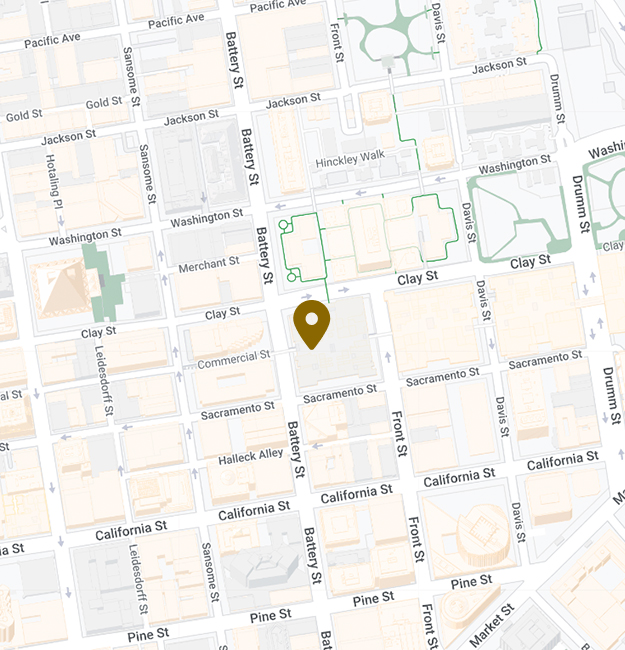
Our Location
Get in Touch
Fill out the contact form or call us at (415) 727-1832 to schedule your free consultation.


