





Who Pays If You Slip and Fall on Private Property?


Who Pays If You Slip and Fall on Private Property?
Slip-and-fall accidents can happen anywhere and at any time. Sometimes they occur in a store, a parking lot, or even at someone’s home. When you get injured on private property, one of the most common questions is: who pays if you slip and fall on private property?
At Anderson Franco Law, we have helped many people across the Bay Area understand their rights and obtain compensation after being injured in a fall. Knowing who is responsible and what steps to take can make the difference between getting financial help or being left with unpaid medical bills.
What a Slip and Fall on Private Property Means
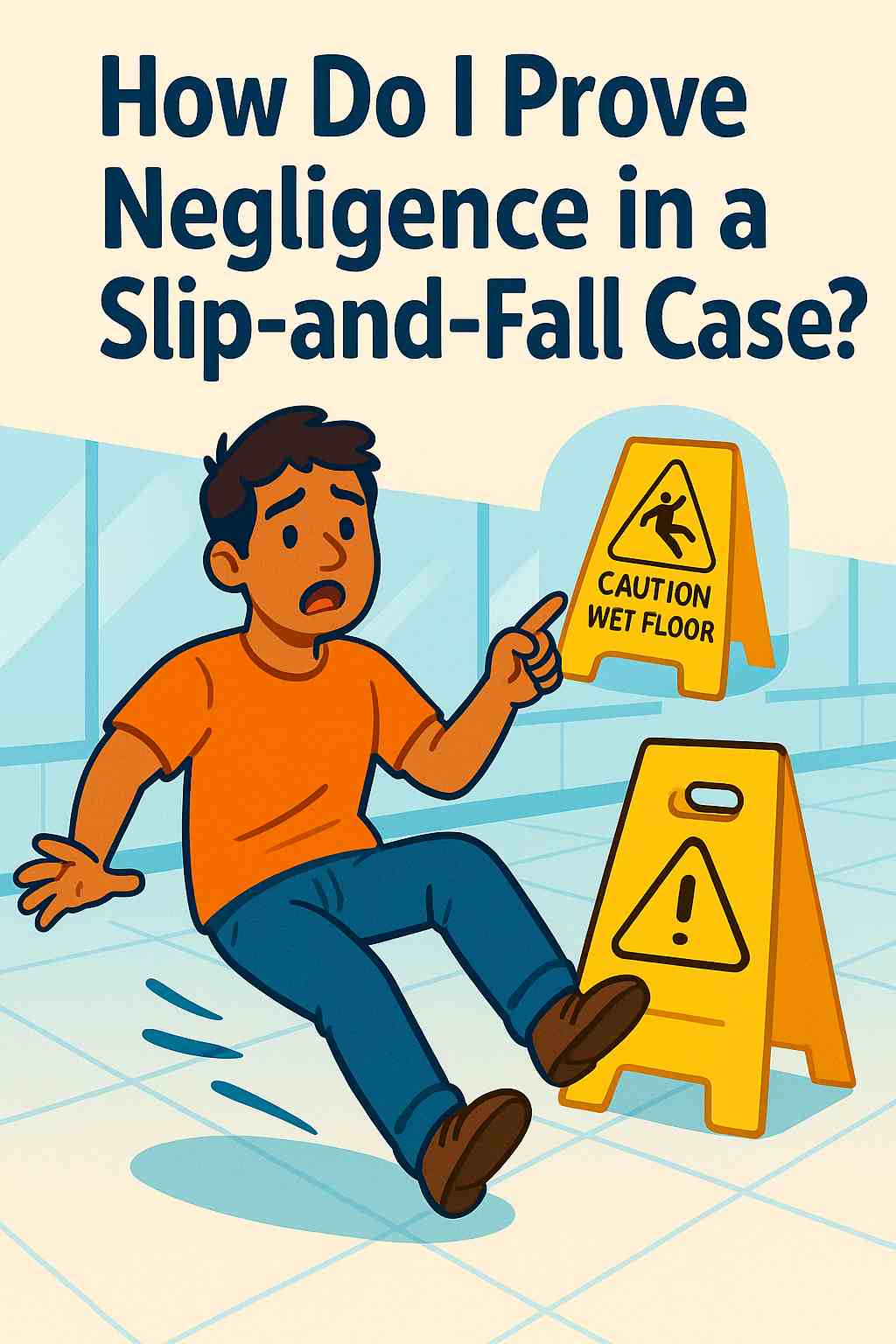
A slip-and-fall accident happens when someone loses balance and falls because of a dangerous condition on the ground. It could be a wet floor, a loose carpet, broken stairs, or poor lighting. When it happens on private property—like a home, restaurant, or shopping center—the property owner might be responsible.
California law requires property owners and managers to keep their property safe. This means they must fix or warn about any hazards that could cause an accident. If they fail to do so, they can be held legally responsible for the injuries. So when analyzing who pays if you slip and fall on private property, it’s essential to determine whether the property owner was negligent.
Common Examples of Slip-and-Fall Accidents
Slips and falls can occur in many different places and situations. Some of the most common examples include:
When someone slips on a wet grocery store floor with no warning sign.
When a visitor trips on poorly lit stairs or a missing handrail.
When a person falls in the driveway or patio of a private home due to cracks, ice, or puddles.
When someone slips in a restaurant or shopping mall because of clutter or debris left on the floor.
In all these cases, the property owner may be responsible. The key to determining who pays if you slip and fall on private property is showing that the owner knew—or should have known—about the dangerous condition and failed to fix it or warn visitors.
What to Do Immediately After a Slip-and-Fall on Private Property
After a fall, your first priority should be your health. Get medical attention right away, even if you don’t feel badly hurt. Many injuries, such as sprains, fractures, or head trauma, may worsen if not treated promptly.
If you can, take photos of the accident scene. Capture the floor, the area where you fell, and any visible hazards like liquids or debris. If there were witnesses, write down their names and contact information. You should also report the incident to the property owner or manager and ask them to document it.
Next, talk to an experienced personal injury lawyer. At Anderson Franco Law, we can review your case, determine liability, and explain who pays if you slip and fall on private property under California law.
How Liability Is Determined in Slip-and-Fall Cases
In California, slip-and-fall claims are based on negligence. This means the property owner can be held responsible if they failed to act with reasonable care to prevent others from getting hurt.
To determine who pays if you slip and fall on private property, several factors are considered:
First, whether the property owner or manager knew—or should have known—about the hazard, like a wet floor or cracked tile, and failed to fix it or warn others.
Second, whether the injured person was lawfully on the property. For example, customers in a store or guests in a home have the right to expect a reasonably safe environment.
Third, whether the owner’s actions—or failure to act—directly caused the accident and injuries.
An experienced slip-and-fall lawyer can collect evidence, speak with witnesses, review security footage, and work with experts to prove that the property owner’s negligence caused the accident.
The Compensation You May Be Entitled To
A slip-and-fall can have serious consequences beyond physical pain. Medical bills, lost income, and emotional distress can take a heavy toll. If it’s proven that the property owner was responsible, you may be entitled to several types of compensation.
You may be able to recover the full cost of medical expenses, including hospital visits, therapy, medications, and future treatment. You can also claim lost wages if your injuries prevented you from working, and damages for pain and suffering caused by the accident.
In severe cases where the property owner acted recklessly or ignored clear warnings, punitive damages may be available to punish the negligent behavior. A lawyer can help calculate the true value of your case and make sure you get fair compensation.
What If You Fell at a Friend or Family Member’s Home?
Many people hesitate to file a claim when they get hurt at a friend or relative’s house. But it’s important to know that most homeowners have liability insurance. This insurance exists specifically to cover accidents like slips and falls.
So, if you’re wondering who pays if you slip and fall on private property when the accident happened at someone’s home, the answer is usually the insurance company—not your friend personally. This means you can seek compensation without directly costing your friend or family member money.
A lawyer can handle communication with the insurance company, file the necessary paperwork, and negotiate a fair settlement while maintaining a respectful relationship with the homeowner.
What If the Property Owner Denies Responsibility?
Not every property owner admits fault right away. Some try to argue that the victim was careless or that the danger was obvious. But this doesn’t automatically mean they are right.
California law recognizes that even if the injured person was partly at fault, they can still receive compensation. This is called comparative negligence. For example, if it’s determined that you were 20% responsible and the property owner 80%, you could still recover 80% of your total damages.
So, if the property owner denies responsibility, don’t give up. An experienced attorney can investigate, collect evidence, and show who was truly at fault.
How Long You Have to File a Claim
California law sets strict deadlines for filing personal injury claims. Generally, you have two years from the date of the accident to file a lawsuit. If your slip-and-fall happened on government property, such as a public park or city building, you must file a government claim within six months.
That’s why it’s so important to act quickly. Consulting a lawyer right away helps ensure that evidence is preserved, witnesses are available, and your claim is filed on time.
Anderson Franco Law: Slip-and-Fall Lawyers in San Francisco
At Anderson Franco Law, we understand that a fall can change your life. A simple slip can cause serious injuries, pain, and financial hardship. That’s why we’re committed to helping accident victims get the compensation they need to recover.
We represent clients in San Francisco, Oakland, Daly City, San Jose, Berkeley, Richmond, and throughout the Bay Area. Our team carefully investigates each case, reviews medical reports, collects evidence, and negotiates with insurance companies to achieve the best results possible.
We also speak Spanish and offer free consultations. You don’t pay anything unless we win your case. At Anderson Franco Law, your recovery is our top priority, and we fight to get you justice.
Conclusion
Understanding who pays if you slip and fall on private property can seem confusing, but with the right legal guidance, you can get the help you need. In most cases, the property owner or their insurance company is responsible for covering your damages if negligence caused the accident.
Don’t let property owners or insurance adjusters convince you that your claim isn’t worth pursuing. If you slipped and fell at a store, restaurant, or private residence, call Anderson Franco Law today. Our team will review your situation, protect your rights, and fight to get you the compensation you deserve.
One phone call can make the difference between paying your medical bills alone and receiving the financial support you need to recover. Contact Anderson Franco Law today for a free consultation.
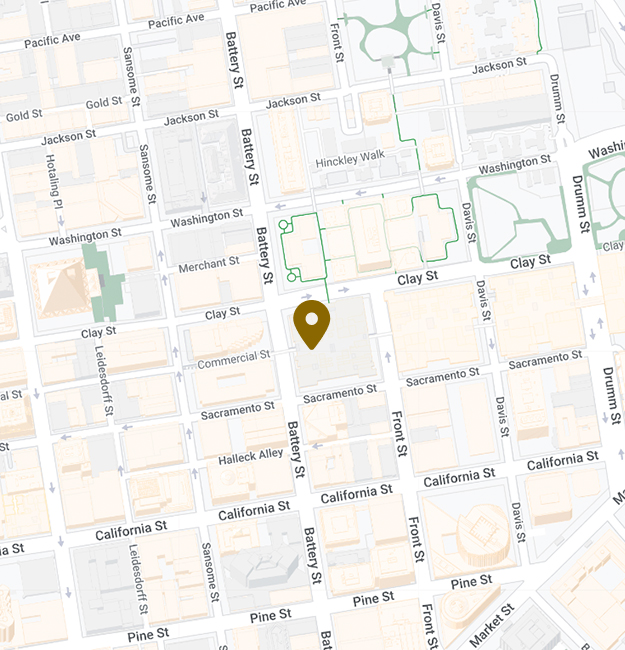
Our Location
Get in Touch
Fill out the contact form or call us at (415) 727-1832 to schedule your free consultation.


