





Workers’ Comp for Dental Trauma


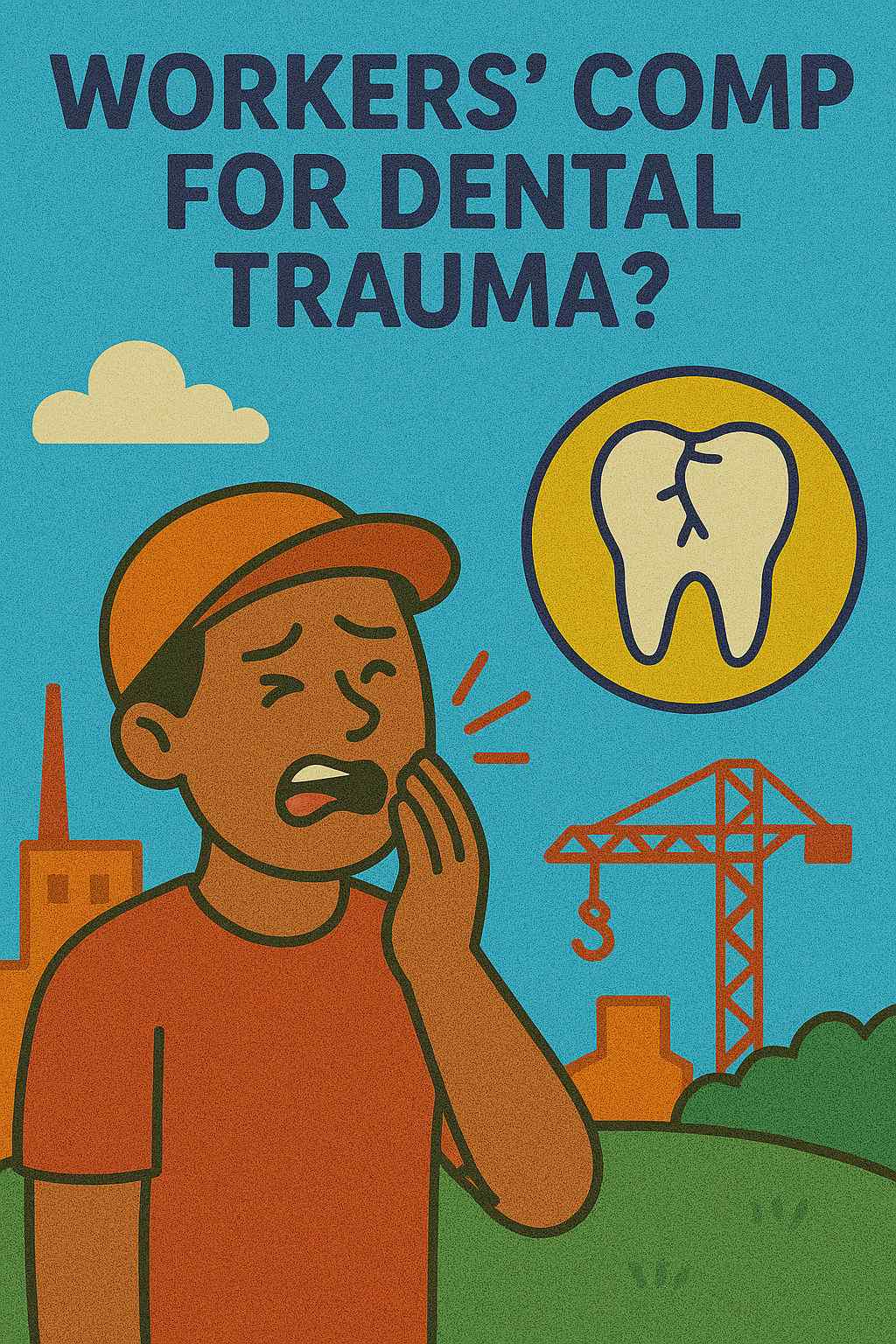
Workers’ Comp for Dental Trauma: Understanding Your Rights After a Workplace Injury
Dental injuries can be incredibly painful and costly. Yet many workers don’t realize that workers’ compensation can cover dental trauma if the injury happens while doing your job. Whether you work in construction, retail, an office, or drive as part of your job, a blow to the face or mouth can lead to broken teeth, jaw injuries, or lost teeth that need immediate care.
If you suffer dental trauma at work, you deserve to know your rights. Workers’ comp is supposed to help employees get medical treatment and wage replacement when they’re hurt on the job. That includes injuries to your teeth, mouth, and jaw. In many states, the law says that any injury “arising out of and in the course of employment” is covered. That means if you slip on a wet floor at work and hit your mouth, or if a tool falls and breaks your teeth, you can file a workers’ compensation claim to pay for dental care.
How Dental Injuries Happen at Work
Dental trauma in the workplace is more common than many people think. Warehouse workers might be struck by equipment or boxes. Restaurant employees might slip on grease and hit the floor face-first. Healthcare workers may be assaulted by patients. Delivery drivers can be in vehicle crashes during work hours. In all of these situations, the injury is job-related and should be covered.
When you’re hurt at work, workers’ compensation is designed to cover all necessary medical treatment related to the injury. For dental trauma, that can include emergency care to stabilize injuries, follow-up appointments with a dentist or oral surgeon, X-rays, fillings or crowns, implants if a tooth is lost, surgeries to repair jaw fractures, pain medication, and antibiotics to prevent infections. Workers’ comp can also pay for lost wages if you’re unable to work while recovering, partial disability payments if your injury limits your ability to work, and in severe cases, vocational rehabilitation to help you return to work.
Reporting a Dental Injury at Work
One of the most important steps after dental trauma at work is reporting the injury right away. Many claims are denied simply because the worker didn’t tell their employer in time. Even if the injury seems minor at first, it’s critical to let your supervisor know immediately and fill out any required accident report forms. Delays can make the insurance company suspicious and can weaken your claim.
After reporting the injury, get medical care as soon as possible. See a dentist or doctor immediately. Not only is this vital for your health, but it also creates a record of the injury and links it to the workplace accident. Insurance companies will want to see this documentation when reviewing your claim. Your dentist’s records will describe the injury, what treatment is needed, and the costs involved. These records are powerful evidence supporting your right to benefits.
Pre-Existing Dental Conditions and Workers’ Comp
Some workers worry that pre-existing dental problems will prevent them from getting benefits. For example, you might have had a small cavity or an old filling before the accident. Generally, workers’ comp should still cover your injury if the work accident made your condition worse. The law usually says employers “take employees as they find them,” meaning they are responsible for aggravating pre-existing conditions if the workplace caused the new injury.
Choosing Your Dentist for Treatment
Another common question is whether you can choose your own dentist for treatment. The answer depends on where you live and your employer’s insurance plan. In some states, workers’ comp laws let the employer or their insurance carrier choose the medical provider. In others, you may have the right to choose your own dentist or see a specialist after a certain period. If you’re not sure about your rights, talking with a workers’ compensation attorney can help you navigate the rules and make sure you get the care you need.
Denied Workers’ Comp Claims for Dental Trauma
If your workers’ comp claim for dental trauma is denied, don’t give up. Insurance companies may argue that the injury wasn’t work-related, that you waited too long to report it, or that it was a pre-existing condition unrelated to the accident. You have the right to appeal the decision. Each state has its own process for appealing denied claims. Often, this means requesting a hearing before a workers’ compensation judge who can review the evidence and decide if you should receive benefits.
An experienced San Francisco workers’ compensation lawyer can help you gather the necessary evidence, such as dental records, witness statements, and accident reports. They can also help you prepare for your hearing and present your case in the strongest way possible. Legal help can make a big difference if your claim is complicated or contested.
Why You Should Act Quickly After a Dental Injury
Time matters when it comes to workers’ compensation claims. Reporting the injury quickly shows that it really happened at work and avoids questions about whether it might have occurred elsewhere. Getting immediate dental care is also important for your health and for proving the seriousness of the injury. Insurance companies often look for delays as a reason to deny claims.
By acting quickly, keeping detailed records, and following all treatment recommendations, you strengthen your claim and improve your chances of getting the full benefits you deserve.
Get Help for Your Workers’ Comp Dental Injury Claim
Dental trauma from a workplace accident can be painful, expensive, and even life-changing. You shouldn’t have to pay for your treatment out of pocket if the injury happened at work. Workers’ compensation is there to help you recover without the added stress of medical bills and lost income.
If you’ve suffered a dental injury on the job, report it right away, get the care you need, and consider talking with a workers’ compensation lawyer if you have questions or face challenges with your claim. By understanding your rights and taking action quickly, you can get the help and compensation you need to heal and move forward.

Our Location
Get in Touch
Fill out the contact form or call us at (415) 727-1832 to schedule your free consultation.


