





How Do I Get a Copy of My California Crash Report?


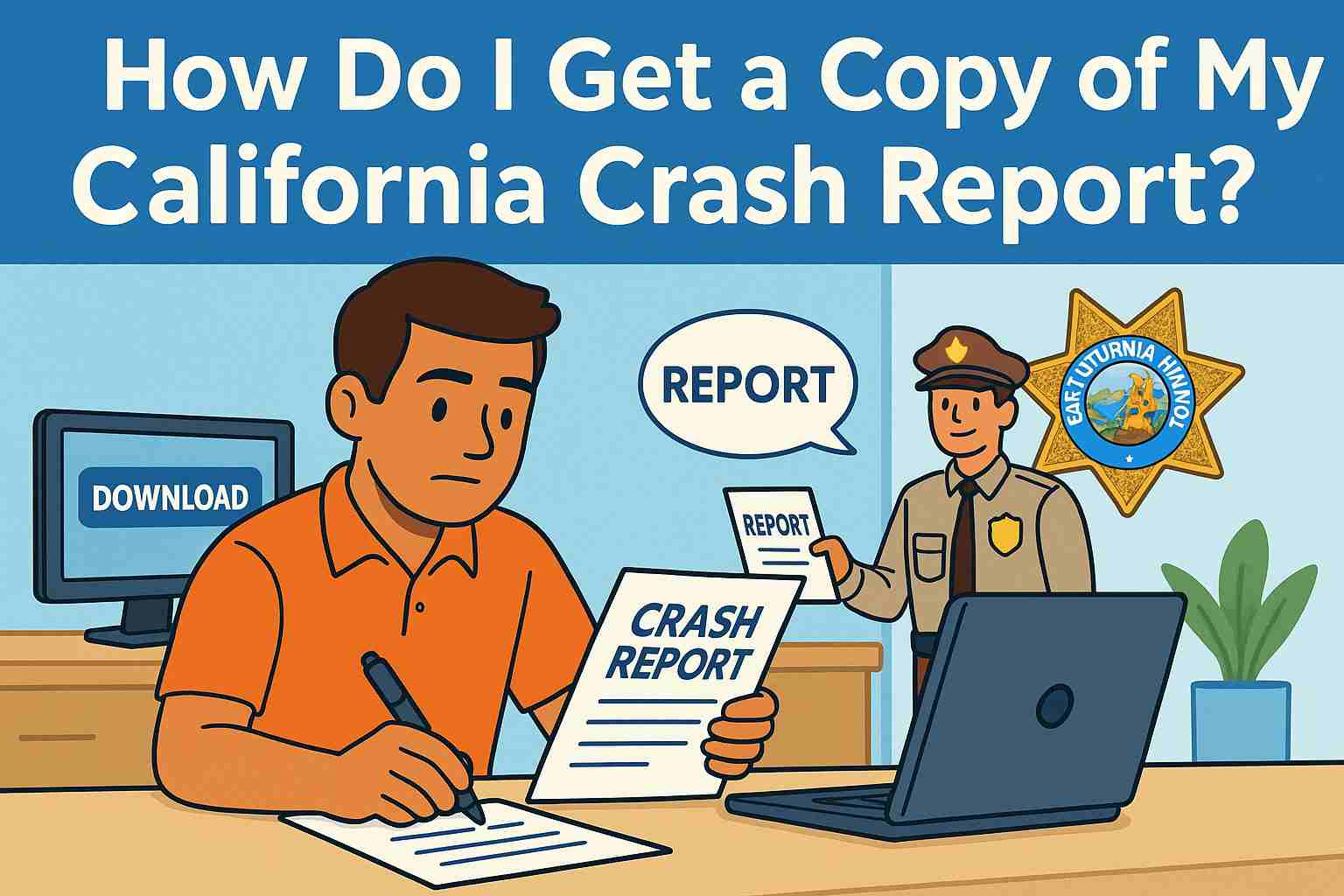
How Do I Get a Copy of My California Crash Report? A Complete Guide for Accident Victims
After being involved in a car accident in California, obtaining a copy of your crash report is one of the most important steps you can take to protect your legal and financial interests. Whether you need it for insurance claims, legal proceedings, or personal records, understanding how to get a copy of your California crash report can save you time and ensure you have the documentation necessary to support your case.
What Is a California Crash Report?
A California crash report, also known as a traffic collision report or police report, is an official document created by law enforcement officers who respond to the scene of an accident. This report contains crucial information about the incident, including:
- Date, time, and location of the accident
- Weather and road conditions
- Involved parties’ information (names, contact details, insurance information)
- Vehicle descriptions and damage assessments
- Witness statements and contact information
- Officer’s observations and preliminary determination of fault
- Citations issued, if any
- Diagram of the accident scene
Why You Need Your California Crash Report
Understanding how to get a copy of your California crash report is essential because this document serves multiple critical purposes:
Insurance Claims
Insurance companies require crash reports to process claims and determine liability. Without this official documentation, your claim may be delayed or denied.
Legal Proceedings
If you decide to pursue legal action, the crash report serves as crucial evidence. It provides an objective third-party account of the incident that can support your case.
Personal Records
Having a copy helps you maintain accurate records of the incident, which can be important for future reference or if additional issues arise from the accident.
Accuracy Verification
Reviewing the report allows you to identify any errors or omissions that might need correction, ensuring the official record accurately reflects what happened.
How to Get a Copy of Your California Crash Report: Step-by-Step Process
Step 1: Determine Which Agency Handled Your Accident
The first step in learning how to get a copy of your California crash report is identifying which law enforcement agency responded to your accident:
- California Highway Patrol (CHP): Handles accidents on state highways, freeways, and some rural roads
- Local Police Departments: Handle accidents within city limits
- County Sheriff’s Offices: Handle accidents in unincorporated areas and some rural locations
Step 2: Gather Required Information
Before requesting your report, collect the following information:
- Date of the accident
- Time of the accident (approximate if not exact)
- Location of the accident (street names, highway markers, or nearest cross street)
- Report number (if you have it)
- Names of involved parties
- Your driver’s license number
Step 3: Choose Your Request Method
California offers several ways to obtain your crash report:
Online Requests
Many agencies now offer online portals for crash report requests. The California Highway Patrol provides an online system for reports they handle. Local police departments may have their own online systems.
In-Person Requests
Visit the records department of the agency that handled your accident during business hours. This method often provides the fastest results.
Mail Requests
Send a written request with required information and payment to the appropriate agency’s records department.
Phone Requests
Some agencies accept phone requests, though this is less common and may have limitations.
California Highway Patrol Reports
If your accident occurred on a state highway or freeway, you’ll need to request your report from the CHP. Here’s how to get a copy of your California crash report from CHP:
Online Through CHP Website
The CHP offers an online collision report system where you can:
- Search for your report using case number or incident details
- Pay fees online with a credit card
- Download your report immediately once processed
CHP Area Office
Visit the CHP area office that covers the location where your accident occurred. Bring identification and be prepared to pay the required fee.
Mail Request to CHP
Send your written request to: California Highway Patrol Records Department [Specific Area Office Address]
Include all required information and a check or money order for the fee.
Local Police Department Reports
For accidents within city limits, contact the local police department’s records division. Each department may have slightly different procedures for how to get a copy of your California crash report:
Common Requirements
- Valid photo identification
- Proof of involvement in the accident (insurance card, vehicle registration)
- Payment of required fees (typically $5-$25)
Processing Times
- In-person requests: Often available immediately or within a few hours
- Online requests: Usually 1-3 business days
- Mail requests: 5-10 business days
Fees and Payment Methods
Understanding the costs involved is part of knowing how to get a copy of your California crash report:
Typical Fees
- CHP reports: Usually $5-$20
- Local police reports: Generally $5-$25
- Certified copies: Additional $5-$10
Accepted Payment Methods
- Cash (for in-person requests)
- Credit/debit cards
- Checks or money orders
- Online payment systems
Timeline: When Will Your Report Be Available?
Crash reports aren’t always immediately available. Here’s what to expect:
Initial Report Filing
Officers typically have 10 days to complete and file their reports, though many are filed within 3-5 days.
Processing Time
Once filed, reports are usually available within 1-2 business days for requests.
Complex Cases
Reports involving serious injuries, fatalities, or ongoing investigations may take longer to become available.
What to Do If You Can’t Find Your Report
If you’re having difficulty with how to get a copy of your California crash report, try these steps:
Verify the Correct Agency
Double-check which agency responded to your accident. The location might be on the border between jurisdictions.
Check Report Numbers
If you have a case or report number, verify you’re using the correct format required by the specific agency.
Contact the Agency Directly
Call the records department and speak with a clerk who can help locate your report using the information you have.
Allow More Time
If the accident was recent, the report might not be completed yet. Wait a few more days and try again.
Common Issues and Solutions
Report Contains Errors
If you find mistakes in your crash report, contact the reporting agency immediately. While you cannot change the officer’s observations or conclusions, factual errors (like wrong addresses or misspelled names) can sometimes be corrected.
Report Not Filed
In some cases, particularly with minor accidents, officers might not file a complete report. You may need to file a report yourself with the DMV using Form SR-1.
Privacy Concerns
California law protects certain information in crash reports. Personal information like home addresses may be redacted in copies provided to non-involved parties.
Special Considerations for the San Francisco Bay Area
The Bay Area’s complex network of jurisdictions can complicate the process of how to get a copy of your California crash report:
Multiple Agencies
Accidents on bridges, near city borders, or on highways that pass through multiple jurisdictions might be handled by different agencies than expected.
High Volume
Popular agencies like SFPD or CHP offices in busy areas may have longer processing times due to high request volumes.
Online Systems
Many Bay Area agencies have modernized their systems, making online requests more convenient and faster than traditional methods.
Tips for a Smooth Process
Be Prepared
Have all necessary information and identification ready before making your request.
Be Patient
Allow adequate time for report completion and processing, especially during busy periods.
Keep Records
Save confirmation numbers, receipts, and correspondence related to your report request.
Follow Up
If your report doesn’t arrive within the expected timeframe, don’t hesitate to follow up with the agency.
Why Professional Help Matters
Understanding how to get a copy of your California crash report is just one aspect of dealing with the aftermath of an accident. If you’ve been injured or face significant property damage, consider consulting with a personal injury attorney who can:
- Help obtain and review your crash report
- Identify errors or omissions that might affect your case
- Use the report strategically in negotiations with insurance companies
- Ensure all necessary documentation is properly handled
Protecting Your Rights
Your crash report is a vital piece of evidence that can significantly impact the outcome of insurance claims and potential legal proceedings. By understanding how to get a copy of your California crash report promptly and efficiently, you take an important step toward protecting your interests and ensuring you have the documentation needed to support your case.
Remember that while the crash report is important, it’s not the final word on fault or liability. Insurance companies and courts consider many factors when determining responsibility for an accident. Having experienced legal representation can help ensure the report is properly interpreted and used to your advantage.
Conclusion
Knowing how to get a copy of your California crash report is essential knowledge for anyone involved in a traffic accident. Whether you need it for insurance purposes, legal proceedings, or personal records, following the proper procedures with the correct agency will ensure you obtain this crucial document efficiently.
Don’t delay in requesting your report – the sooner you have it, the sooner you can begin addressing any insurance claims or legal matters that may arise from your accident. If you encounter difficulties in the process or have questions about how the report might affect your case, don’t hesitate to seek professional guidance to protect your rights and interests.
This article is for informational purposes only and does not constitute legal advice. For specific guidance about your situation, consult with a qualified personal injury attorney.
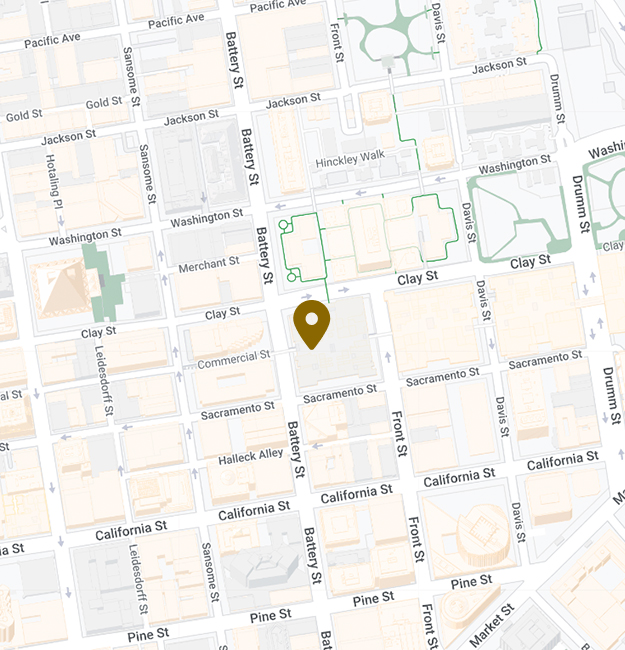
Our Location
Get in Touch
Fill out the contact form or call us at (415) 727-1832 to schedule your free consultation.


